This post contains affiliate links. We may earn a small commission when you buy through our links — at no extra cost to you.
Algae wafers are a staple for plecos, snails, and shrimp, but not all brands deliver clean water and consistent texture. Some disintegrate into a mess, others float instead of sink, and a few leave your tank looking like pea soup.
The real difference comes down to binder quality and ingredient sourcing. Wafers with higher spirulina content and stable binders hold their shape, sink immediately, and minimize clouding. Budget options often skip these refinements to hit a low price point.
This guide cuts through the shelf noise. Whether you need a bulk bag for a community tank or a tiny disc for a nano setup, you’ll find the wafer that matches your fish—and your water quality expectations.
Top Picks
Best for Large Plecos
Hikari Algae Wafer 8.8oz

Rating: 4.8 ★ | Price: $$ | Water Clouding: Low | Sinking Speed: Immediate | Wafer Size: Large | Ingredient Quality: Spirulina, Vitamin C | Bag Size & Value: 8.8 oz / Excellent
These wafers hit the substrate within seconds and hold their shape for hours, allowing plecos and large bottom feeders to graze naturally without clouding the water. The high spirulina content draws algae eaters quickly, and the firm texture prevents the wafer from crumbling into fine particles that foul the tank. Even in heavily stocked aquariums, the water stays clear after feeding.
The 8.8-ounce bag is a bulk buy aimed at multi-tank owners or anyone with a herd of hungry plecos. Each disc is roughly dime-sized—perfect for adult fish but far too large for nano species. The resealable zipper tends to separate from the bag; cutting it open and using a clip solves this without affecting the food. For the price per ounce, no other wafer matches this combination of instant sinking and water clarity.
Pros
- High vegetable matter content that plecos and algae eaters readily accept
- Lowest per-ounce cost among premium algae wafers
- Water stays clear after feeding, even with heavy eaters
Cons
- Resealable bag seal often fails and may need a separate clip
The go-to bulk wafer for pleco tanks where clear water and cost per ounce matter more than a perfect bag seal.
Best for Budget Bottom Feeders
Tetra PlecoWafers 3oz

Rating: 4.6 ★ | Price: $ | Water Clouding: Moderate | Sinking Speed: Variable | Wafer Size: Medium | Ingredient Quality: Zucchini, algae meal | Bag Size & Value: 3 oz / Budget
Tetra PlecoWafers have been a common starting point for algae-eater feeding, with a formula that most plecos and snails accept readily. The budget-friendly price per ounce makes it easy to feed multiple tanks or heavy feeders. Where it differs from top-tier options like Hikari is in consistency: some wafers may float temporarily or cloud the water if overfed. This suits first-time pleco owners or community tanks on a budget who can adjust feeding amounts to keep water quality stable. Feed sparingly to minimize clouding.
Pros
- Budget-friendly per-ounce cost for frequent or heavy feeding
- High palatability – plecos and snails consistently find them appealing
Cons
- Wafers can disintegrate faster than firmer alternatives, creating small particles in the water
Makes sense when price is the priority and you’re willing to adjust feeding to maintain water clarity.
Best for Picky Plecos
Ultra Fresh Algae Wafers 2.12oz
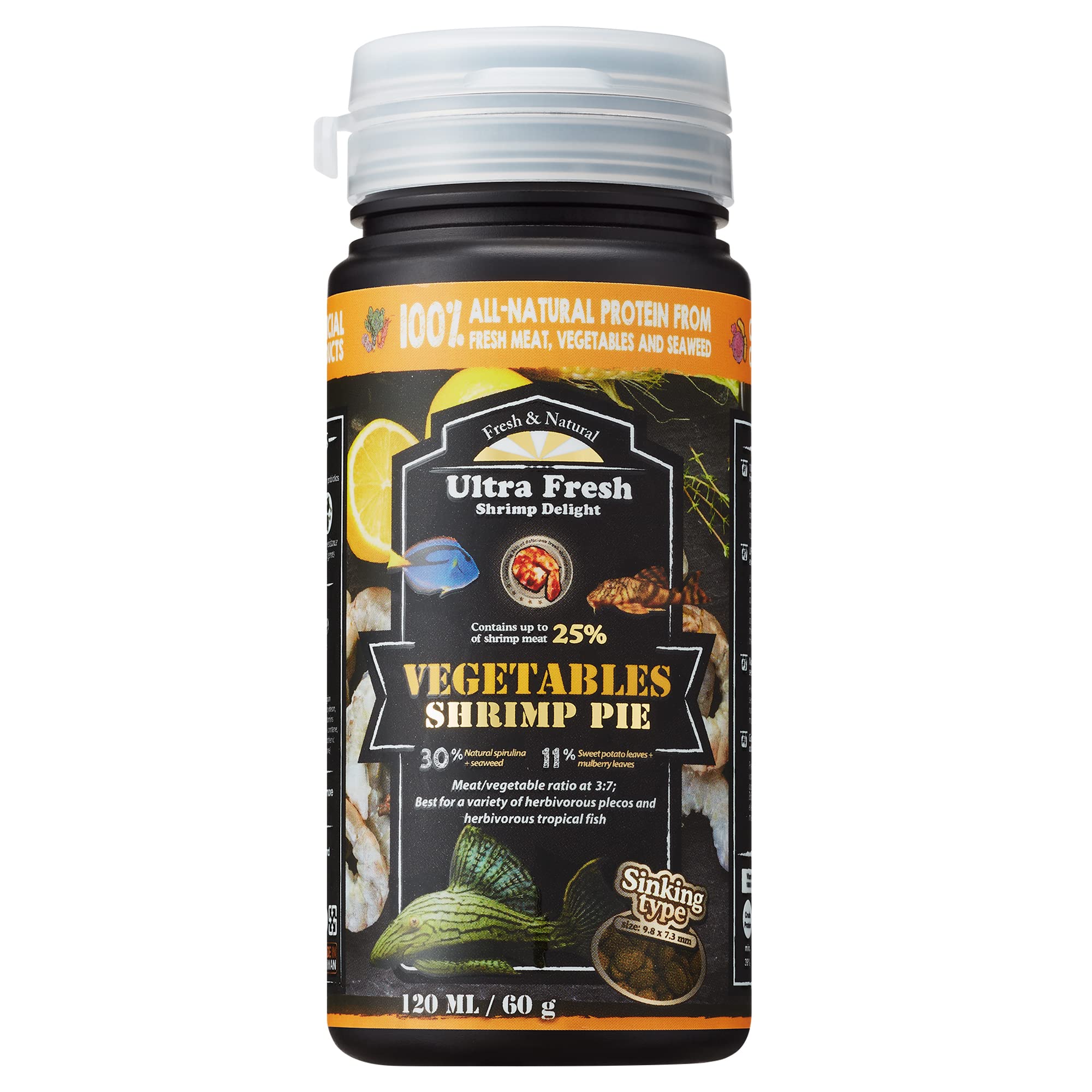
Rating: 4.7 ★ | Price: $$$ | Water Clouding: Low | Sinking Speed: Good | Wafer Size: Small | Ingredient Quality: Spirulina, probiotics | Bag Size & Value: 2.12 oz / Premium
The Ultra Fresh Algae Wafers use spirulina, seaweed, and sword prawns with probiotics — an ingredient lineup that sets them apart from typical wheat-based wafers. Compared to the top pick Hikari’s 8.8oz bag, this 2.12oz container costs more per ounce and the wafers are small, which makes it less economical for large plecos. This is the right choice for aquarists with picky herbivores or shrimp who prioritize natural ingredients and are willing to accept a premium price tag.
Pros
- All-natural spirulina and probiotics that even finicky plecos readily eat.
- Sinks immediately and keeps water clear longer than many budget wafers.
- Color-enhancing ingredients from sword prawns and natural algae.
Cons
- Wafers are small and can be difficult to break into smaller pieces by hand.
- Premium pricing per ounce compared to larger bags of similar wafers.
For keepers of finicky plecos or invertebrate tanks that respond well to natural ingredients, these wafers deliver on palatability — just expect a small bag that goes fast with heavy feeders.
Best for Nano Tanks
Hikari Mini Algae Wafers

Rating: 4.7 ★ | Price: $$$ | Water Clouding: Low | Sinking Speed: Immediate | Wafer Size: Mini | Ingredient Quality: Spirulina | Bag Size & Value: 0.77 oz / Premium
This mini wafer delivers the same spirulina formula as Hikari’s standard offering, but in a disc sized for shrimp, otocinclus, and small plecos. It sinks immediately without clouding the water, a clear advantage over budget alternatives that turn a nano tank into soup. The tradeoff is package size: the 0.77 oz bag carries a premium per-ounce cost, so heavy feeders or community tanks will get better value from the 8.8 oz bulk version.
Best for nanotank owners who need portion control and clean water for shrimp or fry. Large plecos will ignore these wafers, and budget-minded buyers should look elsewhere – this is a specialty item, not a daily staple for a full community.
Pros
- Tiny disc size that small mouths can handle easily.
- Sinks fast and doesn’t cloud the water.
- Consistent Hikari quality with spirulina as key ingredient.
Cons
- Very small bag – per-ounce cost is high, not for heavy feeding.
- Not suitable for large plecos that need bigger wafers.
A smart fit for nano tanks where portion control and water clarity are priorities – skip it if you need bulk or have large plecos.
Best for Emergency Feeding
API Algae Wafers 1.3oz
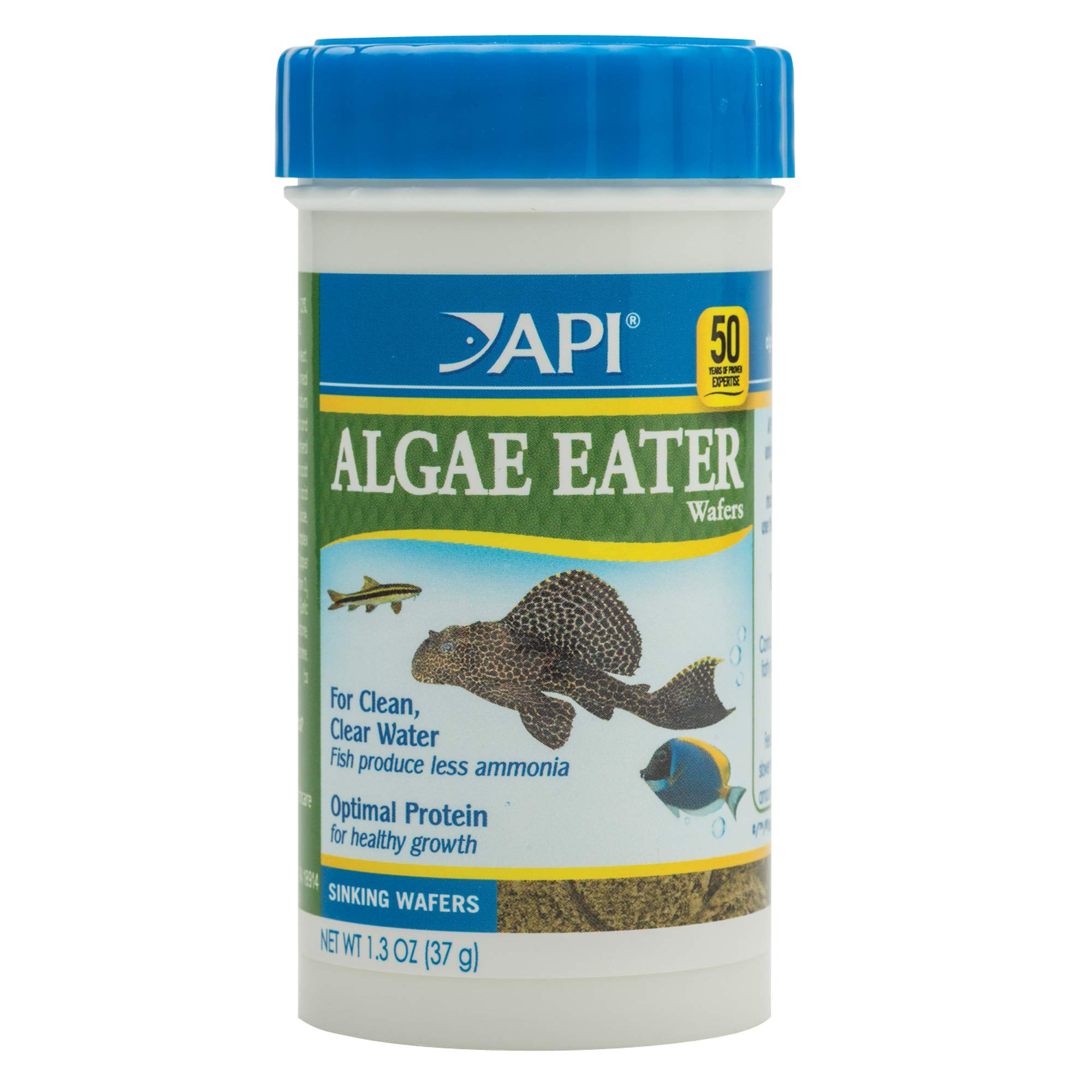
Rating: 4.6 ★ | Price: $ | Water Clouding: High | Sinking Speed: Variable | Wafer Size: Medium | Ingredient Quality: Algae, omega-3 | Bag Size & Value: 1.3 oz / Cheap
At under four dollars, this wafer delivers the lowest entry price for feeding plecos and snails. Fish will eat it, but the strong odor and tendency to cloud water mean it works best as a temporary solution or for owners who don’t mind those tradeoffs. Not a daily staple for sensitive tanks or shrimp setups — stick to the more established budget option if water clarity and scent matter more.
Pros
- Extremely budget-friendly for a functional algae wafer.
- Plecos and snails accept it readily.
Cons
- Strong odor can be noticeable and may linger near the tank.
- Water clouding has been noted when wafers break apart prematurely.
Best reserved for emergency feeding or very tight budgets where the smell and clouding tradeoffs are acceptable.
Best for Clearer Water
Tetra PRO PlecoWafers 2.12oz

Rating: 4.7 ★ | Price: $ | Water Clouding: Moderate | Sinking Speed: Good | Wafer Size: Medium | Ingredient Quality: Concentrated algae | Bag Size & Value: 2.12 oz / Budget
Tetra PRO PlecoWafers use a concentrated algae center and firmer wafer texture to reduce water clouding compared to the basic Tetra formula. Plecos and snails readily accept these wafers, making it a worthwhile step up for owners seeking clearer tanks. However, the firmness means the wafers are difficult to break into smaller pieces, so this food is best suited for medium to large plecos rather than tiny fish or nano tanks.
Pros
- Plecos and snails consistently accept these wafers
- Reduced water clouding compared to standard Tetra wafers
Cons
- Water clouding can still occur, especially with heavy feeding
Compared to standard Tetra, this offers better clarity and taste – a worthwhile choice for dedicated pleco keepers.
Best for Small Fish & Snails
Aqueon Algae Rounds 3oz

Rating: 4.6 ★ | Price: $ | Water Clouding: Moderate | Sinking Speed: Good | Wafer Size: Fine powder | Ingredient Quality: Spirulina, Kelp | Bag Size & Value: 3 oz / Good
The Aqueon Algae Rounds offer a budget-friendly spirulina and kelp blend that snails and small catfish eagerly eat. However, the discs break into fine powder, making them unsuitable for larger plecos and requiring careful feeding to avoid cloudy water. This makes them a practical option for nano tanks and mixed communities of small fish and invertebrates.
Pros
- Affordable spirulina and kelp formula provides good nutrition for bottom feeders.
- Snails and small catfish readily accept these discs.
Cons
- Discs break apart faster than sturdier wafers, creating more debris in the tank.
Designed for small-mouth species and invertebrates, this is a budget-friendly staple for nano community tanks.
Best for Snail & Shrimp
Invert Aquatics Mini Discs

Rating: 4.6 ★ | Price: $$$ | Water Clouding: High | Sinking Speed: Good | Wafer Size: Disc | Ingredient Quality: Spirulina, fish meal | Bag Size & Value: 1.5 oz / Fair
Snails and shrimp swarm these soft discs, making them a hit for invertebrate-focused tanks. However, the discs break down into a mushy consistency that can cloud water, which limits their appeal for pleco keepers who need stable wafers. They work best in small tanks where one disc suffices.
Pros
- Invertebrates find these discs irresistible, triggering a strong feeding response.
- Mini size allows easy portion control for nano tanks, reducing waste.
Cons
- Contains more fish meal than algae, less suitable for strict herbivores.
Ideal for dedicated invertebrate keepers in nano tanks who prioritize feeding excitement over water clarity.
Best for Vacation Feeding
Zoo Med Pleco Block

Rating: 4.5 ★ | Price: $ | Water Clouding: Moderate | Sinking Speed: Slow | Wafer Size: Block | Ingredient Quality: Algae, vegetables | Bag Size & Value: 0.45 oz / Vacation
This block works well for plecos and snails during a weekend trip, slowly releasing food over several days. However, it’s not intended for daily feeding – the small size suits only one or two fish. Some blocks may introduce snails if eggs survive processing.
Pros
- Lasts up to a week for short-term vacation feeding.
- Appeals to plecos and snails, not just algae eaters.
Cons
- Dissolving consistency varies – some blocks break down too quickly and cloud the water.
Ideal for a short vacation in a small tank with a single pleco, but not a daily staple.
Best for Marine Herbivores
Hikari Seaweed Pellets

Rating: 4.8 ★ | Price: $$$ | Sinking Speed: Floats | Wafer Size: Pellet | Ingredient Quality: Seaweed | Bag Size & Value: 1.58 oz / Marine
These pellets deliver high seaweed content that tangs and blennies eagerly accept, backed by Hikari’s consistent quality. However, the floating format and marine-specific formulation limit their use to saltwater herbivores; freshwater algae eaters that feed at the bottom won’t get to them.
Pros
- Tangs and blennies readily accept these pellets.
- Hikari brand delivers consistent pellet quality.
Cons
- Floating pellets cannot be eaten by bottom-feeding algae eaters.
A good option for marine tank owners with herbivorous fish, but not a solution for freshwater plecos or catfish.
Best for Trial Size
Hikari Algae Wafers 0.70oz
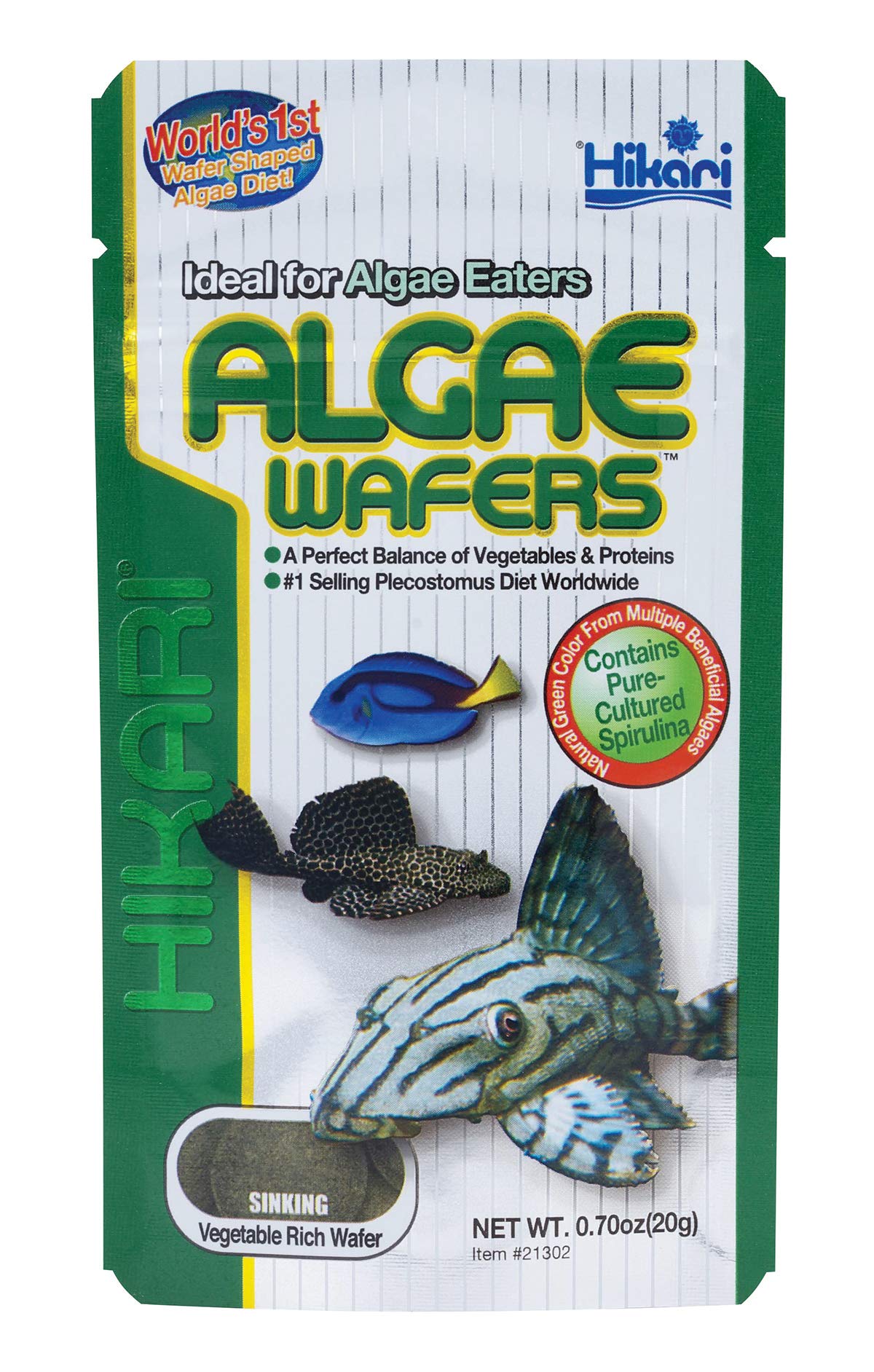
Rating: 4.5 ★ | Price: $$$ | Water Clouding: Low | Sinking Speed: Immediate | Wafer Size: Large | Ingredient Quality: Algae, spirulina | Bag Size & Value: 0.7 oz / Overpriced
This 0.70-ounce bag contains the same algae wafers plecos and snails love — no clouding, fast sinking. However, the per-ounce cost is high, and the packaging photo may make the quantity look larger than it is. Best used as a sample to test your fish’s interest before committing to the bulk bag.
Pros
- Same quality as larger Hikari bag – plecos and snails readily accept these wafers.
- Wafers sink quickly and do not cloud the water.
Cons
- Very small bag at a premium per-ounce price; the photo in the listing can be misleading about the actual quantity.
A practical choice only for testing Hikari wafers before buying the larger bag — not a value buy for ongoing feeding.
Best for Bulk Tetra
Tetra Veggie Wafers 6oz
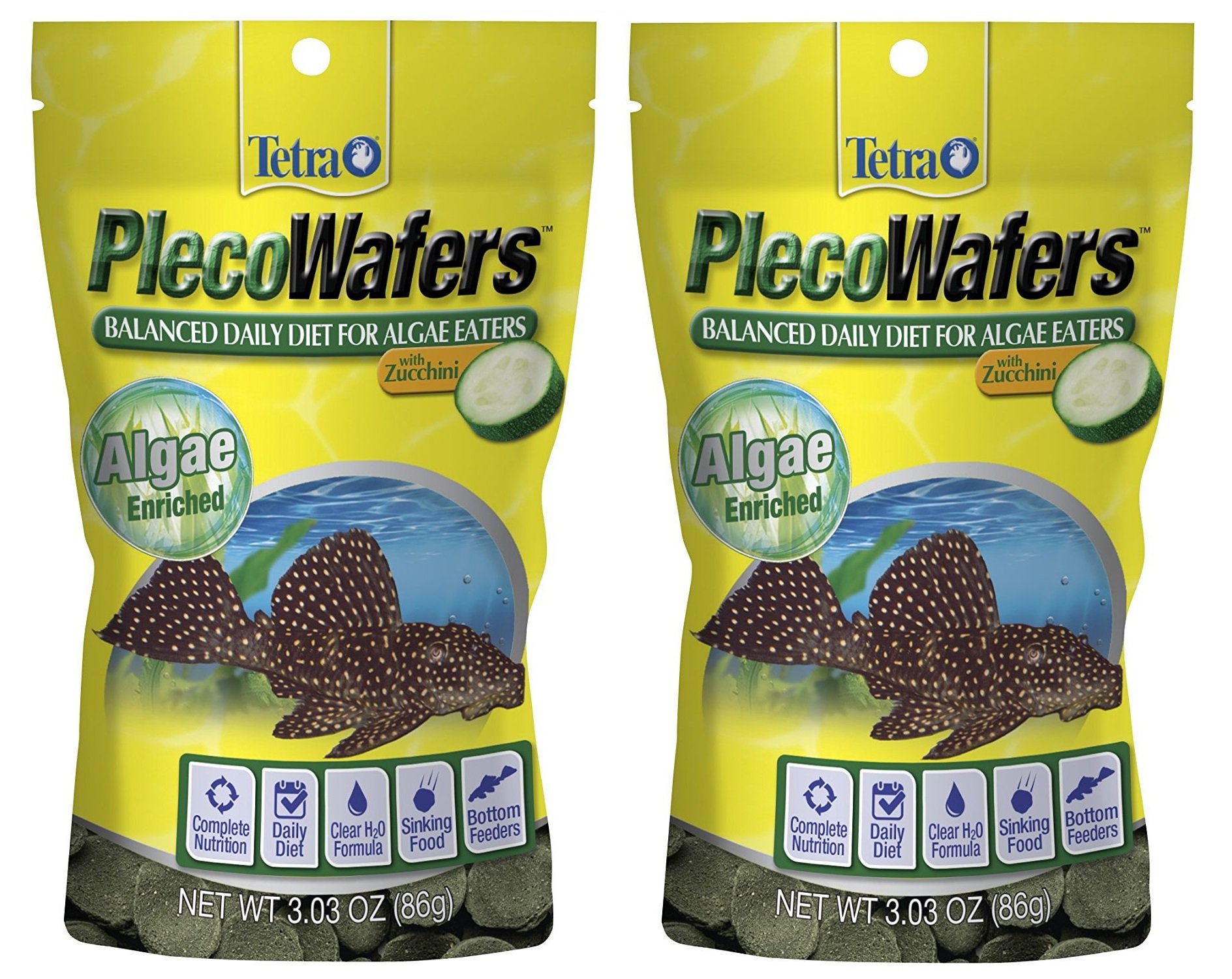
Rating: 4.8 ★ | Price: $$$ | Water Clouding: Moderate | Sinking Speed: Sinks | Wafer Size: Medium | Ingredient Quality: Zucchini, fiber | Bag Size & Value: 6 oz / Decent
Two 3oz bags of Tetra’s standard veggie wafers – same sinking, high-fiber formula with zucchini that algae eaters readily accept. The double pack adds convenience for community tanks with multiple herbivores. Value per ounce is decent, but Hikari’s 8.8oz bulk bag offers a lower per-ounce price and better water clarity. This works best for Tetra loyalists who want a larger supply without switching brands.
Pros
- Fish readily accept these sinking wafers – high fiber content suits algae eaters.
- Two-pack provides a larger supply for community tanks with multiple herbivores.
Cons
- For bulk buyers, the per-ounce cost is higher than Hikari’s 8.8oz bag – a difference that adds up over time.
This two-pack makes sense for Tetra loyalists who want a larger supply without switching brands, but value-conscious keepers should compare costs with Hikari’s bulk alternative.
Best for Algae Variety
Aquarian Algae Chips 3oz

Rating: 4.7 ★ | Price: $$$ | Water Clouding: Low | Sinking Speed: Sinks | Wafer Size: Chips | Ingredient Quality: Spirulina, Chlorella, Kelp | Bag Size & Value: 3 oz / Expensive
The combination of spirulina, chlorella, and kelp offers a varied diet for algae eaters, and the chip sinks without clouding the water. However, the small 3 oz bag comes at a premium price that makes it hard to recommend as a daily staple — better suited for occasional variety in small tanks.
Pros
- Sinks cleanly without clouding the water.
- Blend of spirulina, chlorella, and kelp provides dietary variety.
Cons
- The 3 oz bag is small – not enough for continuous feeding in larger tanks.
Only consider if you want a specific blend of three algae types and have a small tank – otherwise, bulk options offer better value.
How to Choose
The biggest mistake is choosing a wafer based on price alone — water clarity and durability often cost extra.
Water Clouding Tendency
Cloudy water after feeding is usually caused by excess dust or rapid disintegration. Wafers with strong binders and minimal filler stay intact longer, releasing fine particles slowly. If your filter can’t keep up or you have sensitive shrimp, choose brands with a track record of clear water.
Budget wafers often compensate lower-cost ingredients with softer textures that cloud faster. Feed sparingly and remove leftovers within an hour to reduce haze.
Sinking Speed and Reliability
Most bottom feeders need food that reaches the substrate quickly. Wafers with dense, compact construction sink right away; looser formulas may float for several seconds or get stuck in plants and decorations. Floating pellets belong to surface-feeding fish, not plecos.
If wafers drift into filter intakes, they rot and spike ammonia. Immediate sinking reduces waste and keeps the feeding zone where fish expect it.
Wafer Size and Breakability
Wafers come in sizes from tiny discs to large tabs. Nano tanks with shrimp or otocinclus need small pieces that don’t overwhelm; large plecos ignore tiny wafers. Hard wafers can be difficult to snap for portion control, while soft ones crumble into dust.
Choose a size that matches your fish’s mouth and feeding behavior. For mixed tanks, breakable wafers let you adjust portions per inhabitant.
Ingredient Quality
Spirulina and kelp are the gold standard for herbivores. Some wafers use fish meal as a cheap binder, which carnivorous fish may eat but algae eaters need plant-based diets. High algae content improves palatability and reduces waste.
Probiotics and vitamin C add nutritional value but raise cost. Not all tanks need them, but picky fish or breeding setups benefit from the extra boost.
Bag Size and Value
A larger bag always beats smaller ones on per-feeding cost. The Hikari 8.8 oz bag delivers nearly triple the food of a 3 oz container for only slightly more money. However, large bags can stale if left open; use an airtight container for long-term storage.
Premium small bags are worth considering for nano tanks that won’t finish a bulk bag before it loses freshness.
FAQ
Why do my algae wafers make the water cloudy?
Cloudiness usually comes from wafers that disintegrate too quickly or have a high dust content. Overfeeding also overwhelms the filter. Switch to a brand like Hikari that holds its shape, and feed only what your fish can eat in 30–60 minutes.
Can I use algae wafers as a complete diet for my pleco?
Most algae wafers are nutritionally complete for herbivorous bottom feeders. Check the label for crude fiber (minimum 5%) and vegetable protein. Supplement with fresh vegetables like zucchini or cucumber once a week for variety.
What is the best algae wafer for shrimp without clouding water?
Hikari Mini Algae Wafers are the top choice: they sink immediately, stay intact, and produce minimal debris. Avoid soft, loose wafers that break into powder and cloud the tank.
How do I stop algae wafers from floating to the surface?
Some tetra and budget wafers trap air during manufacturing. Press the wafer under the surface with a feeding stick or tongs until it sinks. If it floats repeatedly, switch to a denser brand like Hikari that guarantees fast sinking.