This post contains affiliate links. We may earn a small commission when you buy through our links — at no extra cost to you.
You set up your tank, add plants, and within days they start melting or die. That’s not your fault. Many store-bought plants are grown emersed and need time to adapt, and some sellers ship poorly. This guide cuts through the guesswork, helping you choose plants that match your lighting, flow, and patience level.
The key isn’t finding the prettiest plant online. It’s matching each species to your tank’s real conditions: low light vs. high, still water vs. current, and whether you have root tabs or just gravel. When you get that right, most plants are surprisingly forgiving.
We’ve sorted through top-rated options to highlight the ones that consistently arrive healthy and grow well in typical home tanks. No hype, just what works and what trade-offs come with each choice.
Top Picks
Best for Beginners Medium Tanks
Marcus 3x Amazon Sword

Rating: 4.6 ★ | Price: $$ | Plant Type: Rooted | Light: Moderate | Size: 7–12 in | Care Level: Easy
Amazon swords are a staple background plant for freshwater tanks, and this three-pack delivers on the basics: healthy arrival, full green color, and root systems that establish quickly. The plants arrive moderately large (7–12 inches) and transition to submerged growth without the heavy melt some sword packs show. While swords prefer moderate light and nutrient-rich substrate, they are forgiving enough for new hobbyists who provide those conditions. Compared to budget sword bundles where size and condition vary significantly, these maintain a consistent standard from order to order.
This bundle suits medium to large tanks (20+ gallons) where the swords have room to spread. In a nano tank under 10 gallons, the height and leaf size become a problem — better to look for smaller foreground plants. The moderate light requirement also means low-tech setups with weak LED strips or bulbs may see slower growth and less vibrant leaves, but that’s a boundary of the plant, not a product flaw. For anyone with a standard community tank and a decent light, these are a straightforward choice to fill the background without fuss.
Pros
- Consistently healthy arrival with lush green leaves and no signs of stress.
- Good size on delivery — typically 7–12 inches tall with well-developed roots.
- Easy to grow for beginners who provide moderate light and a nutrient-rich substrate.
Cons
- Needs moderate light to maintain full color and growth — low-light setups may see slower development.
- Can outgrow small tanks under 10 gallons; better suited to 20-gallon and larger aquariums.
A straightforward three-pack of Amazon swords for anyone building a freshwater background — just confirm your tank size and light setup beforehand.
Best for Low-Light Beginners
AquaLeaf Java Fern

Rating: 4.2 ★ | Price: $ | Plant Type: Epiphyte | Light: Low | Size: Up to 10 in | Care Level: Very easy
The AquaLeaf Java Fern is about as tough as freshwater plants get — it tolerates low light, no CO2, and irregular care. Each bare-root plant, however, varies in arrival size and condition; some arrive tiny or with damaged leaves. This makes it best for budget beginners who want a nearly unkillable plant and are comfortable buying multiples to get a decent specimen quickly. For more consistent size and health, the Marcus Fish Tanks Java Fern pack costs more but reduces the gamble.
Pros
- Arrives in good condition for many buyers, with lush green leaves.
- Exceptional value for a low-light plant that thrives with minimal care.
Cons
- Size on arrival often smaller than expected; leaves can show shipping blemishes.
- Health inconsistency — some plants arrive wilted and do not recover.
If you need a cheap, tough plant and can accept variable arrival quality, the AquaLeaf Java Fern fits — just order two if you want immediate visual impact.
Best for Betta Shrimp Cover
Aquarigram Red Root Floaters

Rating: 4.3 ★ | Price: $$$ | Plant Type: Floating | Light: Moderate to high | Size: 60+ leaves | Care Level: Easy
These red root floaters arrive in a 4-ounce cup with 60+ leaves, and the roots develop a deep red color under the right conditions — a look cheaper floaters like duckweed or water spangle can’t match. A bonus mystery plant is usually included, adding to the value for surface-cover enthusiasts. The catch: they need still water (surface agitation causes melt), and portions feel modest against the premium price, especially if some plants don’t survive the initial transition.
Best suited for hobbyists with betta tanks or shrimp setups who want show-quality floating plants and are willing to provide bright light and gentle water flow. If you’re after fast, cheap coverage or have a strong filter, a lower-cost floater like water spangle is a more forgiving choice.
Pros
- Bright red roots and healthy leaves add a natural, high-contrast look.
- Includes a bonus mystery plant — a pleasant extra.
- Arrives pest-free and well-rooted in a sealed cup.
Cons
- Some leaves may melt in the first weeks if tank conditions aren’t ideal.
- The 60+ leaf portion can feel sparse for the premium price.
A strong option for aquascapers who want striking red floaters and don’t mind paying for quality — less ideal for budget builds or tanks with surface movement.
Best for Low-Tech Low-Light
SubstrateSource Anubias WL
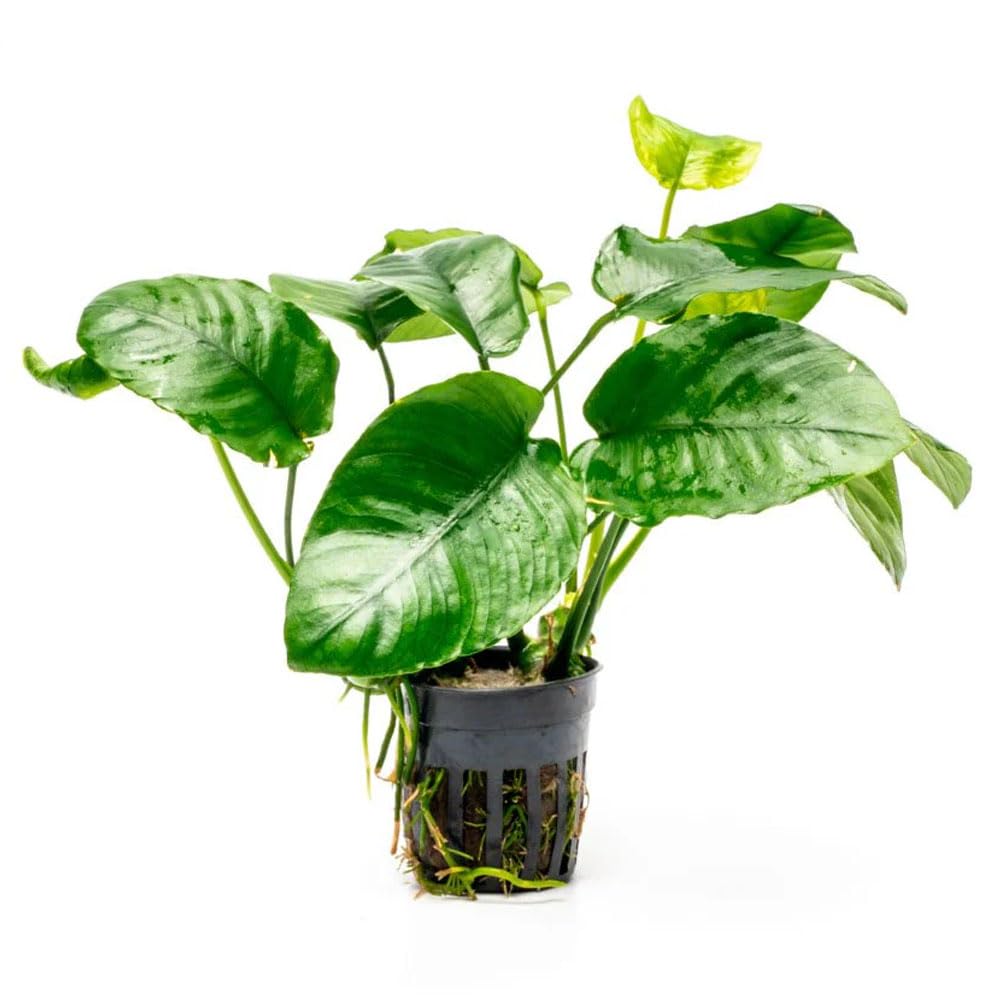
Rating: 4.5 ★ | Price: $$ | Plant Type: Epiphyte | Light: Low | Size: 4–6 in | Care Level: Easy
This Anubias variety makes an immediate impression with its deeply wrinkled leaves and healthy arrival – roots are strong and leaves stay vibrant under low light. It’s a slow grower, so the pot may look sparse at first; patience is needed for the plant to reach its full form. That makes it best suited for hobbyists who appreciate unusual texture and don’t need instant coverage, or for low-tech tanks where other plants struggle.
Pros
- Healthy plants with strong roots and vivid leaves on arrival.
- Distinctive wrinkled leaves add unusual texture compared to standard Anubias.
Cons
- In some cases, the pot arrives with smaller plants or fewer leaves than expected – a slow grower that requires patience.
If you want a low-light plant that looks different from the usual Anubias nana and can wait for it to fill in, this is a worthwhile option.
Best for Two Easy Plants
Big Pete’s Fern+Anubias

Rating: 4.3 ★ | Price: $$ | Plant Type: Epiphyte | Light: Low to moderate | Size: Small (6 leaves) | Care Level: Very easy
This bundle gives you two of the easiest low-light aquarium plants in one order — a Java fern (6 leaves) and a broadleaf Anubias. Both species thrive without CO2 or strong lighting, making them a low-fuss option for small to medium tanks (10–20 gallons). The plants arrive attached to rhizomes that must stay above the substrate; burying them causes rot.
Ideal for first-time plant keepers who want two different textures in a single purchase. The catch: plants are often smaller than the photos suggest, and some bundles arrive with one unhealthy or dying plant. For bigger specimens with more consistent condition, the Marcus Fish Tanks three-pack of Java ferns is the better bet.
Pros
- Healthy, vibrant plants that establish well in low-light setups.
- Attractive green color adds visual contrast between the fern’s narrow leaves and the Anubias’s broad leaves.
- Care is straightforward: no CO2, low light, just don’t bury the rhizome.
Cons
- Size may be smaller than expected — each plant is often a single small clump rather than a full bush.
- Some bundles can arrive with a plant that is dying or already dead, requiring a replacement request.
Best for beginners who want two different low-light plants in one checkout and are okay with smaller starter sizes. If you need immediate visual impact or larger specimens, look at the Marcus three-pack.
Best for Low-Light Tanks
Marcus 3x Java Fern

Rating: 4.5 ★ | Price: $$ | Plant Type: Epiphyte | Light: Low to moderate | Size: 7–12 in | Care Level: Very easy
Marcus Fish Tanks sends three Java ferns that arrive noticeably larger than many budget options, with healthy green leaves and firm rhizomes. The plants hold up well in low-light tanks and adapt without the melt or die-off that plagues cheaper bare-root packs.
This set suits low-maintenance setups where slow growth is acceptable — Java ferns add texture and filtration over months, not weeks. For tanks that need quick background coverage, a faster-growing stem plant or Amazon sword would be a better fit.
Pros
- Arrives healthy with vibrant green leaves and firm rhizomes
- Plants are larger than expected and thrive under low light
Cons
- In tanks needing fast background fill, the slow growth means waiting months for fullness
Best for low-light tanks where patience is part of the plan — not for quick background fill.
Best for Budget Hobbyists
Water Plants 3x Sword

Rating: 4.4 ★ | Price: $ | Plant Type: Rooted | Light: Partial shade | Size: 20–50 cm | Care Level: Undemanding
For the price, these Amazon swords are healthy and attractive when they arrive. However, shipping can leave plants in poor condition or smaller than expected. That unpredictability keeps this bundle from matching the dependable alternative.
Pros
- Healthy green plants with strong root systems when they survive transit
- Beautiful long sword appearance at a budget-friendly price
Cons
- Arrival condition varies — plants can arrive in poor health or smaller than anticipated
Best for budget-focused hobbyists who can inspect plants immediately and accept the shipping gamble.
Best for Nano Foreground
Marcus Anubias Nana Petite

Rating: 4.6 ★ | Price: $$ | Plant Type: Epiphyte | Light: Low to moderate | Size: Tiny (20–30 leaves) | Care Level: Very easy
This tiny Anubias arrives healthy with strong roots and deep green leaves, making it a reliable foreground option for nano tanks. Its petite size limits it to small accents – not a background fill or statement piece – so it best suits tanks under 10 gallons where space is tight.
Pros
- Arrives healthy with strong roots and vibrant green leaves.
- Dark green leaves add rich color to any scape.
Cons
- The plant is very small – suited for nano tanks, not for larger displays.
A reliable foreground accent for shrimp tanks and small aquascapes where every inch counts.
Best for Goldfish Pond
Giant Duckweed 30 plants

Rating: 4.3 ★ | Price: $ | Plant Type: Floating | Light: Medium to low | Size: 4" coverage | Care Level: Very easy
This giant duckweed is the cheapest way to add floating surface cover. Plants arrive green and spread quickly. Pest hitchhikers (snails, worms) can occur, and growth may stall in some batches. Best suited for goldfish tanks or for hobbyists who dip plants before adding to the main tank.
Pros
- Plants arrive green and in good condition.
- Covers the surface quickly for the price.
Cons
- Pest hitchhikers (snails, worms) can be present on the plants.
Best for goldfish tanks or ponds where fish eat it, or for hobbyists who plan to dip plants before adding to the main tank.
Best for Shrimp Fry
Water Spangle 12 plants

Rating: 4.2 ★ | Price: $ | Plant Type: Floating | Light: Low to medium | Size: 60+ leaves | Care Level: Easy
Salvinia minima arrives healthy with a nice green color and forms an attractive floating carpet that helps manage water quality. Growth can be inconsistent between batches – some plants develop blackening leaves or die off – and the quantity of 12 plants may feel skimpy for the price. This makes it a decent option for gentle-surface setups like shrimp tanks or fry nurseries where you can wait for coverage rather than expect immediate density.
Pros
- Healthy plants with vibrant green color on arrival
- Forms a nice floating carpet that improves water quality
Cons
- Some batches show leaf blackening or die-off, so coverage may be slow
Works well for shrimp tanks or low-flow setups where you’re patient with surface growth, but not the pick if you need a quick, reliable carpet.
Best for Snail-Free Floaters
Water Spangles 60+ leaves
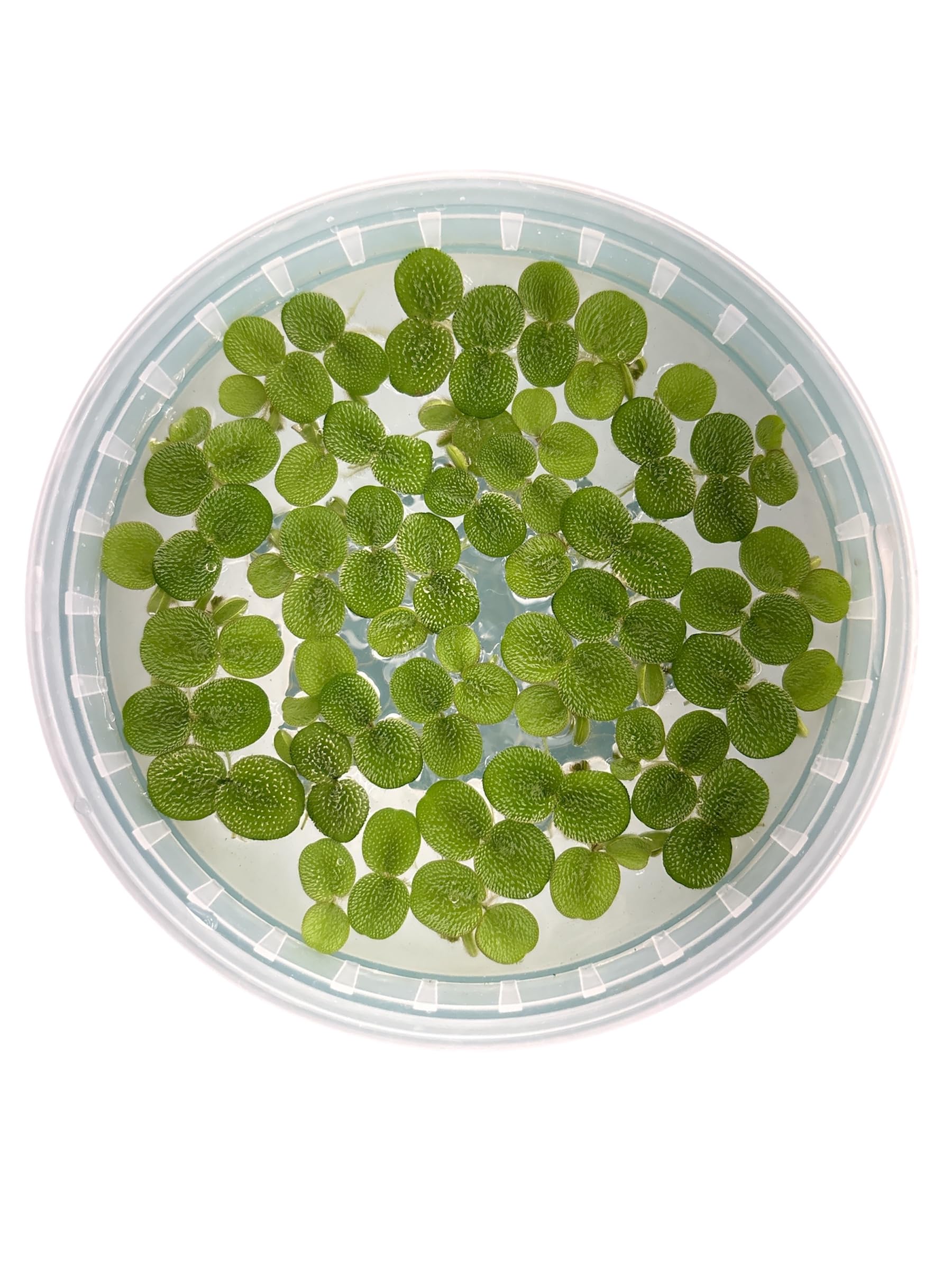
Rating: 4.6 ★ | Price: $$ | Plant Type: Floating | Light: Medium to high | Size: 60+ leaves | Care Level: Easy
This water spangle offering stands out for its consistent health and vibrant green color, with fast growth that quickly covers the water surface. The plants arrive snail-free and have strong roots. However, the seller is relatively new, so long-term consistency is not yet confirmed. Avoid in tanks with heavy surface agitation – calm water is needed for the plants to thrive.
Pros
- Consistently healthy plants with strong roots, arriving snail-free.
- Vibrant green color and fast growth for quick surface coverage.
Cons
- Performs best in calm water; surface agitation may cause plants to struggle.
A good fit for hobbyists seeking clean, fast-growing floaters who are comfortable with a newer seller’s track record.
Best for Experienced Only
Marcus Tiger Lotus

Rating: 4.3 ★ | Price: $$ | Plant Type: Bulb | Light: Moderate to high | Size: Small bulb | Care Level: Moderate
When this tiger lotus bulb establishes, it grows quickly and produces vibrant red lily pads that add striking contrast to a planted tank. However, the bulb can arrive shriveled or fail to sprout, and even viable ones need strong light and root tabs. This is a project for experienced aquascapers with the patience to nurse it along, not a plug-and-play plant.
Pros
- Produces fast-growing red leaves that stand out in the tank
- Bulbs that do grow develop attractive lotus leaves
Cons
- The bulb can arrive dead or fail to sprout
A gamble for most, but rewarding for experienced hobbyists who can provide strong light and root tabs and accept the risk of a dud.
Best for Budget Quantity
Generic Java Fern B2G1

Rating: 4.3 ★ | Price: $ | Plant Type: Epiphyte | Light: Partial sun | Size: 5–12 in | Care Level: Easy
This Java fern offers the lowest cost per plant, and many arrive vibrant with good color. But the rhizomes can be tiny (single leaf) and die-off is possible; transit damage may occur. This works best for budget builds where quantity matters more than immediate size and you’re willing to wait for growth.
Pros
- Vibrant, healthy plants with good color
- Good value for the price, especially with B2G1 offer
Cons
- Rhizomes may be very small (single leaf) and some plants die off
A good fit for budget builds where you need multiple plants and can accept small starter sizes; order ahead to account for potential losses.
Best for Colorful Floaters
Generic Red Root Floaters
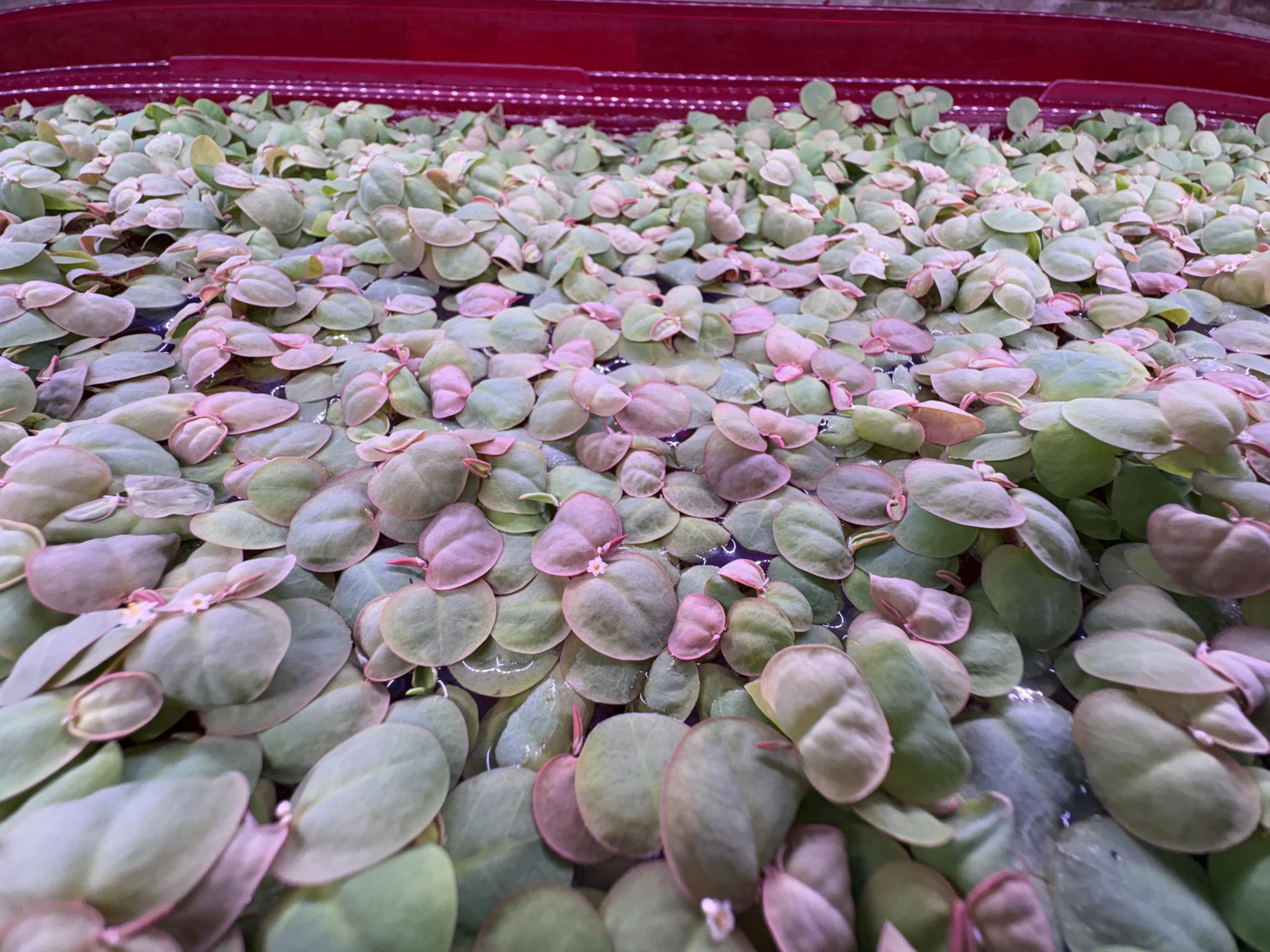
Rating: 4.4 ★ | Price: $$$ | Plant Type: Floating | Light: Moderate to high | Size: 60+ leaves | Care Level: Easy
These Phyllanthus fluitans arrive with healthy red roots and vibrant leaves, matching the quality of the more established Aquarigram option at a similar price. The seller is newer, however, so long-term consistency across multiple orders is not yet confirmed. For a one-time buy seeking colorful surface cover for a betta or shrimp tank, these are worth trying.
Pros
- Healthy, vibrant plants with strong red roots and no rot
- Great quality and fast growth once established
Cons
A solid option if you need a single order of red floaters and are willing to try a newer seller.
How to Choose
The biggest mistake new aquarists make is choosing plants without matching them to their tank’s lighting and water flow.
Plant Type: Rooted, Epiphyte, or Floating
Rooted plants like Amazon swords need a nutrient-rich substrate or root tabs to grow well. Without them, leaves turn yellow and growth stalls. Epiphytes like Anubias and Java fern cannot have their rhizome buried — attach them to wood or rock instead, or they rot. Floating plants such as duckweed and red root floaters need calm water; strong filters push them under and kill them.
Choose based on your tank’s surface area and substrate. A sand-only tank with no additives favors epiphytes and floaters. A planted substrate opens the door to sword plants and other root feeders.
Light Requirements
Low-light plants (Java fern, Anubias) survive under standard LED hoods and need no CO2 injection. Moderate-light plants (Amazon sword, water spangles) grow faster but may stretch under dim bulbs. High-light plants (red root floaters, tiger lotus) turn red and compact only when given strong, full-spectrum light for 8+ hours daily.
A common mistake is assuming ‘low light’ means any light. Even low-light plants need at least a desk lamp’s worth of output. If your tank has only the light that came with the hood, stick to species labeled ‘very low light’ or test with an Anubias first.
Mature Size and Growth Rate
Amazon swords can reach 20 inches tall and spread wide, swamping a 10-gallon tank. Java ferns and Anubias stay compact but take months to fill in. Floating plants like duckweed can cover the entire surface in a week if given enough nutrients — then block light from lower plants.
Plan for the plant’s adult size, not the baby plug you receive. A tiger lotus bulb may look tiny but will send up lily pads that shade everything below. Fast-growing plants also demand more nutrients and trimming; slow growers need patience but less maintenance.
Ease of Care
Ease ratings mostly reflect light and nutrient tolerance, not immunity to shipping stress. A ‘very easy’ Java fern will survive neglect but may still melt if shipped in cold weather. ‘Easy’ plants like Amazon swords need root tabs and moderate light to stay lush instead of stringy.
The hardiest options are those that don’t require CO2 injection, special substrate, or constant pruning. For a first tank, stick to plants rated ‘very easy’ and you’ll have a safety margin for learning.
FAQ
Why are my new aquarium plants dying or melting after I put them in?
Most store-bought plants are grown emersed (above water) and shed their old leaves to grow submerged ones — this ‘melt’ is normal and not a sign of poor health. Remove dead leaves, give the plant time, and ensure it gets the right light and nutrients for its type. If melt continues beyond two weeks, check for root rot or pests.
How do I remove snail hitchhikers from live aquarium plants before adding them to my tank?
Quarantine new plants in a separate container for at least a week. Dip them in a diluted bleach solution (1:19 ratio) for 2 minutes, then rinse thoroughly, or use an alum dip (1 tablespoon per gallon for 3 hours). Even so, inspect for eggs — they are tiny and see-through. For delicate plants like Anubias, a plain water rinse and manual removal may be safer.
Do red root floaters need high light and calm water to stay red?
Yes. Red root floaters turn deep red only under moderate to high light (8+ hours of full-spectrum) and still water. In low light or strong surface agitation, they stay green and may fail to spread. They are a good choice for betta and shrimp tanks where surface flow is minimal, but not for tanks with powerful filters or skimmers.
Can Amazon sword plants survive in a low-light aquarium without CO2?
They can survive but will grow slowly and stay smaller than their potential. In low light, leaves may yellow and become thin. For compact growth and lush green color, Amazon swords need moderate light and root tabs. They are still a good choice for low-light tanks if you accept slower growth and occasional melting.