This post contains affiliate links. We may earn a small commission when you buy through our links — at no extra cost to you.
Many betta owners pick floating plants expecting lush growth and graceful roots, only to watch leaves melt or discover snails hitchhiking into the tank. It’s a common frustration that turns a simple addition into a headache.
The real challenge isn’t just picking any leaf – it’s finding a plant that thrives in your tank’s conditions and doesn’t bring unwanted guests. Some options offer stunning long roots that bettas adore but can be finicky about water parameters. Others are nearly bulletproof but trade roots for compact leaves.
This guide cuts through the guesswork, focusing on which floating plants consistently deliver on health and the specific features betta keepers value most – whether that’s trailing roots for resting or a clean, hassle-free start.
Top Picks
Best for Betta Aesthetics
Aquarigram Red Root Float

Rating: 4.3 ★ | Price: $$$ | Leaf Count: 60+ leaves | Root Length: Long | Growth Rate: Strong
The Aquarigram Red Root Float arrives with 60+ healthy leaves, immediately providing dense surface cover that dims the aquarium light — exactly what betta fish need to feel secure. Roots emerge deep red and shift pink under typical tank lighting, creating a striking visual anchor. Post-planting growth is vigorous, and the bundle often includes bonus plants, extending coverage without added cost. The live-arrival guarantee backs the initial health, and as a nutrient-hungry floater, it actively pulls ammonia and nitrates, improving water quality. This combination of immediate aesthetics and betta-centric shelter is rare among online plant listings.
Betta keepers who prioritize instant visual impact and long, sheltering roots will find the premium price justified by leaf count and bonus extras. The only real caveat: leaf melt can occur if water parameters fluctuate during acclimation. Hobbyists who introduce the plants slowly and monitor conditions will sidestep this risk, making the tradeoff manageable for anyone familiar with floating plant care. If you are willing to invest a little patience upfront, the payoff is a display-ready surface layer that few alternatives match.
Pros
- Arrives in robust condition with strong post-planting growth
- Vivid red roots shift pink under light, giving bettas natural shelter
- Often includes bonus plants, adding surface coverage beyond the listed 60+ leaves
Cons
- Some plants may experience leaf melt during acclimation to new water conditions
For betta tanks where vibrant red roots and generous surface cover matter more than absolute zero-melt risk, this kit delivers immediate visual upgrade and strong value.
Best for Pest-Free Seeker
Generic Water Spangles
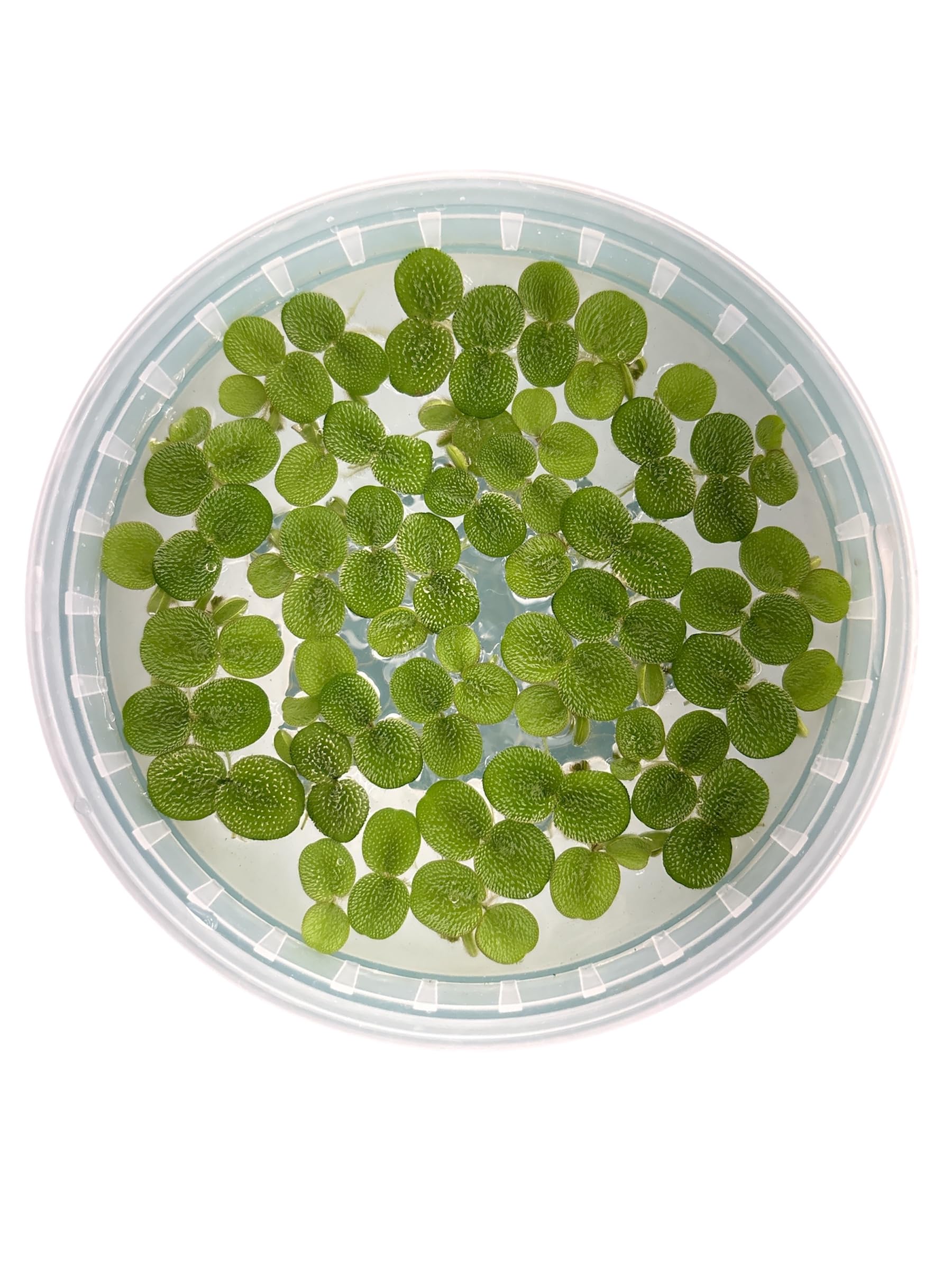
Rating: 4.6 ★ | Price: $$ | Leaf Count: 60+ leaves | Root Length: Short | Growth Rate: Fast
These water spangles arrive clean and pest-free, a rare quality in floating plants. Growth is fast under medium to high light, and the short roots keep the surface tidy without tangling. For betta owners who value neat coverage and easy maintenance over the long trailing roots some bettas use for resting, this is a straightforward choice.
Pros
- Arrives healthy with strong green leaves, no yellowing or browning.
- Free from snails or other pests, so no quarantine delay.
- Propagates quickly, filling surface space in a week or two.
Cons
- Shorter roots may not appeal to betta owners who want long trailing strands for their fish to rest in.
For betta keepers who prioritize pest-free arrival and neat surface coverage over long roots, these water spangles deliver consistent results at a fair price.
Best for Budget Betta
APC Water Spangle 60+

Rating: 4.2 ★ | Price: $ | Leaf Count: 12 plants, 60+ leaves | Root Length: Short | Growth Rate: Fast
APC’s water spangle grows fast and covers the surface at a budget-friendly price — a practical choice for betta tanks needing quick cover. Unlike duckweed, it’s less likely to introduce pests, and the price undercuts many other floating options. With 12 plants and 60+ leaves, it provides immediate density for bettas to rest near the surface. Minor die-off has been noted in some shipments, so it’s best suited for hobbyists who can monitor and remove affected plants. For a higher consistency guarantee, consider the top pick.
Pros
- Grows quickly to shade the surface and give bettas shelter
- Budget-friendly option compared to most other floating plants
Cons
- Leaves may turn black or fail to propagate in some cases — worth checking upon arrival
A cost-effective surface cover for betta tanks, ideal if you’re okay with occasional plant maintenance and want to avoid duckweed’s pest risks.
Best for Long Root Lovers
Aquarigram Amazon Frogbit

Rating: 4.2 ★ | Price: $$$ | Leaf Count: 20+ leaves | Root Length: Long | Growth Rate: Vigorous
Long, wispy roots that bettas swim through define this frogbit, offering a textured surface canopy that differs from the top pick’s compact red root floaters. The free bonus plant adds value, though arrival condition can be variable — some plants may arrive with decay or damaged leaves. Once established, growth is vigorous with impressive root development, providing effective nitrate absorption and surface cover. This frogbit suits experienced betta keepers who value root length over guaranteed pristine condition and have the patience to cull any unhealthy plants.
Pros
- Long, wispy roots create natural shelter for bettas to swim through.
- Once established, vigorous growth provides effective nitrate absorption.
- Free bonus plant adds variety to the tank.
Cons
- Root quality and size may vary — some plants arrive with shorter roots than expected.
A good fit for experienced betta keepers who prioritize root length and can handle occasional losses; the top pick offers more consistent health and vibrant color.
Best for Budget Cover
APC Giant Duckweed

Rating: 4.3 ★ | Price: $ | Leaf Count: 30 plants | Root Length: Short | Growth Rate: Fast
Giant duckweed delivers the fastest surface coverage for the lowest cost. Unlike the top pick’s long roots that bettas swim through, these tiny discs have short roots and need careful quarantine due to possible pest contamination. Best for experienced aquarists who can treat incoming plants and want to cover large tank surfaces rapidly without spending much.
Pros
- Very affordable, ideal for covering large surface areas on a budget.
- Plants arrive healthy with vibrant green color.
Cons
- Growth consistency varies; some plants may not survive after arrival.
For budget-minded aquarists who can quarantine, this is the fastest way to get heavy surface cover without spending much.
How to Choose
The true test of a floating plant is not how it looks on arrival but whether it stays healthy and pest-free a week later.
Leaf Count and Coverage
More leaves mean instant surface cover and shade for shy bettas, but dense mats can block light for plants below and reduce gas exchange. A heavy leaf layer also traps debris and slows oxygen transfer. For small tanks, 20–40 leaves often strike the right balance between coverage and open surface.
Root Length for Bettas
Long roots (red root floaters, frogbit) give bettas places to rest, hide, and build bubble nests. They also absorb more nitrates from the water column. The trade-off: long roots tangle easily if the tank has strong flow or a HOB filter. Short-rooted options like water spangles are lower maintenance but offer less enrichment.
Pest-Free Guarantee
Most sellers promise live arrival, but few guarantee pest-free plants. Snails and worms often hitchhike on duckweed and low-cost floaters. A quarantine period of 7–10 days in a separate container lets you spot and remove pests before they reach your betta. Even with a guarantee, visual inspection is essential.
Some sellers now offer pest-free treatment during packing, but this adds cost. If you want zero snails from the start, opt for plants with a dedicated pest-free reputation.
Ease of Care
Red root floaters and frogbit are sensitive to sudden changes in water parameters. They may melt if introduced directly without acclimation. Water spangles and duckweed handle a wider range of conditions but can still die back in low light or very soft water. Match the plant’s tolerance to your tank’s stability.
Growth Rate
Fast growers like duckweed and water spangles cover the surface in days, which is great for algae control but requires frequent thinning to avoid complete light block. Slower plants like frogbit give you more control but need patience. In small betta tanks, moderate growth is often preferable to rapid overgrowth.
FAQ
Why are my floating plants turning brown and dying?
This usually stems from abrupt changes in water parameters or insufficient light. Acclimate new plants by floating the bag in the tank for 30 minutes before releasing them. If leaves do melt, remove them promptly; new growth should appear once the plant adjusts. Persistent browning may indicate low nitrate or weak lighting.
How do I stop snails from coming with floating plants?
Quarantine new plants in a separate container for at least a week. A diluted bleach dip (1 part bleach to 20 parts water for 2 minutes, then rinse thoroughly) kills most hitchhikers. Hydrogen peroxide dips are another option. No method is 100% effective, but quarantine combined with visual checks is your best defense.
Do betta fish like duckweed or water spangles better?
Bettas favor plants with long, flowing roots for resting and hiding. Water spangles have short roots, making them less engaging than red root floaters or frogbit. Duckweed’s tiny leaves can be accidentally ingested. For betta-centric tanks, stick with long-rooted species.
What is the best floating plant for a betta tank with a filter?
Choose plants that tolerate gentle surface disturbance. Water spangles and duckweed handle low flow but can get pushed under. Red root floaters and frogbit have long roots that may catch on intake tubes. Use a pre-filter sponge or a surface skimmer to create a calm zone. Salvinia minima is a good all-rounder for filtered tanks.