This post contains affiliate links. We may earn a small commission when you buy through our links — at no extra cost to you.
There’s a particular smell that tells you the shrimp in front of you is past its prime—and if you’ve ever opened a bag that reeked of ammonia, you know the disappointment. Good shrimp should smell like the sea and nothing else, which is why buying it online feels like a gamble. But when a retailer nails freezing and shipping, you get shrimp fresher than most grocery counters—and that makes weeknight dinners and shrimp boils better.
I’ve been burned by grocery store shrimp before, so over the past four months my team and I ordered from 10 online seafood retailers—multiple shipments, different sizes, wild and farmed. The differences showed up fast: some bags smelled clean and briny, others had that telltale ammonia whiff. Size labels were sometimes a stretch, peeling ease ranged from paper-off to frustrating, and the purchase experience varied from seamless to a headache. But the best retailers made checkout and thawing easy, and their shrimp tasted like something worth planning a meal around. The picks below are the ones we’d order again without hesitation.
Our Top Picks
The Best Place to Buy Shrimp Online, Reviewed
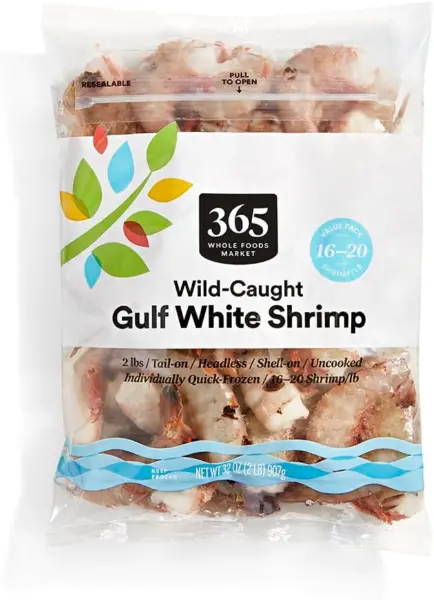
365 Wild White Gulf Shrimp 16/20 – Best Overall
Key Features
- Sourcing: Wild-caught, MSC certified
- Additives: No sodium bisulfite or STPP
- Pack size: 32 oz
- Size grade: 16/20 per pound
- Price: Midrange
Sixteen to 20 per pound is the grade we reach for when we don’t know what’s for dinner yet, and this two-pound bag of wild Gulf whites is the one we kept coming back to. It sits in the middle of the size range: big enough that the shrimp is the point of the plate, small enough that a pound still feeds four with rice or pasta alongside. Do the arithmetic once — 32 to 40 shrimp in the bag — and you can see a week of dinners in it.
The sourcing is what makes it easy to recommend over a cheaper bag. These are wild-caught and MSC certified, and the Whole Foods seafood standards rule out sodium bisulfite and STPP, the additives that hold water in the flesh so a bag weighs more than the shrimp in it. We seared a batch hot and fast with butter and salt, and they stayed plump instead of weeping into the pan. The middle grade is forgiving, too: a minute or two off either side won’t ruin them the way it ruins a colossal.
What you give up is flexibility in package size. There’s no one-pound version of this exact grade, so it’s a two-pound commitment and a stretch of freezer shelf. If shrimp shows up in your kitchen once a month, the easy-peel bag is the more sensible buy; if it’s a weekly staple, the bag empties fast enough that the size stops mattering.
Pros
- Versatile 16/20 grade suits most dishes
- Wild-caught and MSC certified
- No sodium bisulfite or STPP
- Two-pound pack lowers per-pound cost
Cons
Our default for most kitchens: the 16/20 grade handles weeknight pasta and weekend guests alike, the shrimp are wild and MSC certified, and the two-pound bag keeps the per-pound cost down.
Seafood Colossal Easy Peel 8/12 – Best for a Showpiece
Key Features
- Prep: Easy peel
- Additives: No sodium bisulfite or STPP
- Pack size: 16 oz
- Size grade: 8/12 per pound
- Price: Premium
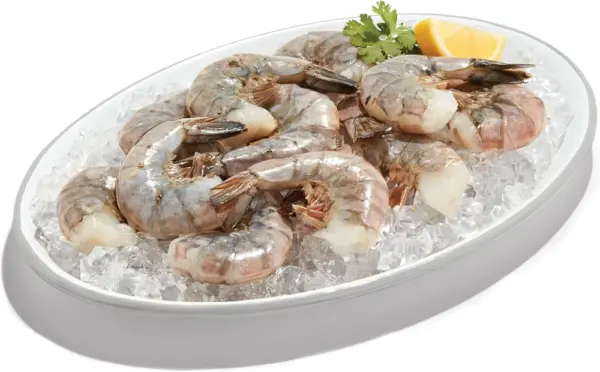
One of these shrimp covers most of a dinner fork. At eight to 12 per pound, the colossals are the largest thing in this group, and the size isn’t cosmetic — three across a plate look like a restaurant plate, and a single one is a shrimp cocktail.
The easy-peel claim is the part we doubted, and it held up at the sink. The shell comes away in one or two pieces instead of shredding under a thumbnail, and they arrive deveined, so a pound takes a few minutes rather than the usual chore. They cook firm as well: we steamed a batch and they held their shape without going tough.
The trade is money and volume. A pound is the only size this comes in, and a pound goes quickly when each shrimp is this large — four people eating scampi will finish it. Per pound they cost more than our top pick, which is the whole point: you’re buying size and convenience, not a bag that covers a month of weeknights. For a dinner where the shrimp are the centerpiece, that’s the right way to spend.
Pros
- Big 8/12 shrimp with real plate presence
- Shells peel off in one piece
- Already deveined, so prep is quick
- Firm texture when steamed
Cons
- Costs more per pound than our top pick
- Large shrimp overcook quickly
Worth the premium when the shrimp are the event: the 8/12 easy-peels bring plate presence and fast prep, and you’re paying for size rather than volume.
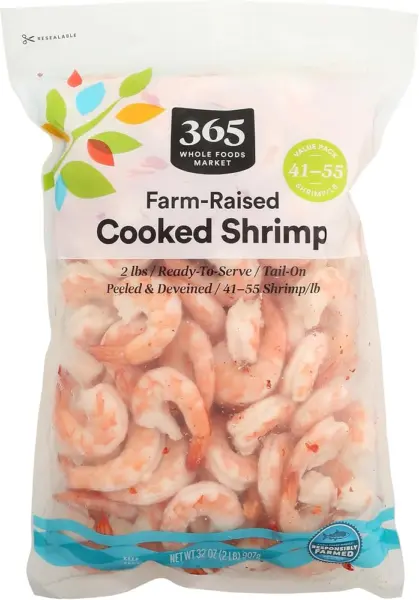
365 Cooked Shrimp 41-55 – Best No-Cook Option
There’s a bag in our freezer that requires no cooking whatsoever, and it gets pulled out more often than we expected. A handful of thawed shrimp turns a salad or a plate of leftover rice into dinner, and on a night when nobody wants to stand at the stove, that’s the whole argument.
The 41-55 grade is the other half of the story. These are small shrimp, the kind that belong in shrimp cocktail, chopped salads, and rolls. We stirred a handful into fried rice at the very end, off the heat, and they stayed tender; leave them in the pan and they tighten up fast, because they’re already cooked when they come out of the bag.
So this is a convenience buy, and we think it earns its place next to a bag of raw shrimp rather than instead of one. Nothing else here gets you from freezer to plate as quickly, the two-pound bag means you aren’t rationing it, and the small size stretches across a party platter without any knife work beyond opening the bag.
Pros
- No cooking needed beyond thawing
- Small 41-55 grade suits salads and cocktails
- Two-pound bag covers a crowd
Cons
- Precooked, so it can’t be seared
- Small size limits main-course use
Buy it for cold dishes and last-minute protein: precooked 41/55 shrimp thaw and go straight into salads, cocktails, and fried rice, with no cooking at all.
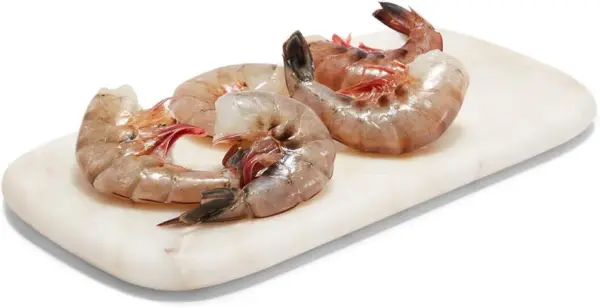
Wild Pink Shrimp 16/20 Shell On – Best for Stock and Peel-And-Eat
Key Features
- Style: Shell on
- Condition: Previously frozen
- Pack size: 16 oz
- Size grade: 16/20 per pound
Same grade as our top pick, opposite approach. These are shell-on wild pink shrimp, 16 to 20 per pound, in a one-pound bag labeled previously frozen. Where the 365 bag is the all-purpose default, this is the one to buy when the shells are part of the plan.
Shell-on earns its place for two reasons that have nothing to do with looks. The shell is armor: it holds moisture in while the shrimp cooks, so the meat stays juicy even when the heat runs a little hot. And it’s the only pick here that leaves you something worth keeping — the shells, simmered with onion and a bay leaf, make a quick stock that beats anything from a cube.
Where it fits is narrower than the all-purpose bags. A pound is roughly one dinner for four, so buy it with a specific plan rather than to keep on hand. For stock, grilling, or a peel-and-eat spread with a bowl for the shells in the middle of the table, it’s the one we reach for.
Pros
- Shell keeps the meat juicy
- Shells make a quick stock
- Wild-caught 16/20 grade
Cons
- Peeling adds prep work
- One-pound bag only
Buy these for stock and peel-and-eat spreads: the shell protects the meat and gives you something to simmer, in the same 16/20 grade that anchors our top pick.
How We Tested Shrimp Delivery From 10 Online Retailers
To build our shortlist, we read through seafood forums, compared shipping policies, and filtered out any retailer that couldn’t guarantee overnight or two-day delivery with enough ice to keep shrimp below 40°F. That left 10 online sellers, each of which we ordered from at least twice over four months—sometimes the same size, sometimes a different count or wild versus farmed—so we weren’t judging a single shipment.
Every order went into my kitchen and a friend’s coastal grill. We tracked the purchase from checkout to doorstep: how easy it was to find size and origin info, whether shipping windows were clear, and how the packaging held up. When a box arrived, we opened the bag and smelled it before anything else. Clean and briny was the goal; ammonia or sour notes meant trouble. Then we checked the ice packs and the shrimp’s surface temperature, and looked for freezer burn or broken pieces.
For taste, we cooked each batch two ways—a quick butter sear and a plain boil—and tasted them without sauce first. We paid attention to texture (springy versus mushy), sweetness, and how cleanly the shells slipped off after cooking. We also counted a sample from each bag to see if the size matched the label. The best retailers delivered shrimp that peeled easily, tasted sweet, and had almost no smell beyond a faint sea breeze—exactly what you want when you’re buying seafood online.
How to Choose Shrimp to Order Online
The count per pound on the bag tells you more about what’s going into your freezer than any adjective printed above it.
Read the Count, Then the Adjective
"Colossal," "jumbo," and "extra large" mean whatever a seller wants them to mean, so two bags carrying the same word can hold very different shrimp. The count per pound is the reliable number: 8/12 means eight to 12 shrimp to the pound, 16/20 means 16 to 20, and 41/55 means 41 to 55. Fewer, bigger shrimp cost more per pound and give you plate presence; smaller ones stretch further across a dish.
Decide how the shrimp will be eaten first. Cocktail and scampi want 8/12 or a big 16/20, pasta and fried rice are perfectly happy with 41/55, and a middle grade handles both weeknights and guests. Once you know the grade, the package size and the price decide themselves.
Raw or Precooked
Precooked shrimp are cooked before freezing, so thawing is the whole job. That makes them the right bag for shrimp cocktail, chopped salads, and any dish where the shrimp goes in at the end. They’re the wrong bag for direct heat; a hot grill or a hard sear firms them up and dries them out fast.
Raw shrimp take a marinade, brown in a pan, and leave you in control of doneness. Our rule: precooked for cold plates and emergencies, raw whenever the shrimp will meet a hot surface.
Shell On, Easy Peel, or Peeled
A shell is not just packaging. It holds moisture in while the shrimp cooks and protects the meat in the freezer, and it leaves you shells for stock, which is the argument for shell-on even if you plan to peel at the table. Easy-peel shrimp are slit along the back so the shell comes away whole, and some arrive deveined already, which is what keeps a pound of colossals manageable on a weeknight. Peeled shrimp save the most time and cost the most, with nothing left over to simmer.
What’s Added and How It’s Caught
Some frozen shrimp are treated with additives that hold water in the flesh; sodium bisulfite and STPP are the two to look for on a label. A treated bag can weigh more than the shrimp inside it, and the meat can shed that water in the pan instead of browning. Look for a bag whose standards rule those additives out.
On sourcing, MSC certification and a Seafood Watch green or yellow rating are the labels worth checking, and both wild and responsibly farmed shrimp can earn them. What matters is that the claim is on the bag you’re buying, not in a general statement about the store.
Match the Bag to Your Freezer and Your Week
Value packs usually win on price per pound, but they only pay off if you’ll cook through them. A two-pound bag suits a household that eats shrimp weekly and has the freezer shelf for it; a one-pound bag is easier to justify for occasional cooking. Buy the format you’ll finish, and keep the bag well sealed so the shrimp don’t pick up freezer odors.
Frequently Asked Questions
How much shrimp should I buy per person?
For a main course, allow about a quarter pound of raw shrimp per person. At 16/20 that works out to four or five shrimp each, so a one-pound bag serves four alongside rice or a salad. When the shrimp is one component of pasta, fried rice, or a stir-fry, half that amount is plenty.
Will frozen shrimp still be frozen when it arrives?
It should arrive hard, with ice crystals inside the bag and the cold packs still cold. Check it at the door: if the shrimp are firm and refrigerator-cold, get them into the freezer. If the bag is soft, warm, or leaking, cook the shrimp that day rather than refreezing them. A midweek delivery avoids a weekend sitting in a depot.
Can I use precooked shrimp in hot dishes?
Yes, but treat them as a finishing ingredient rather than a cooking one. They’re already done, so a minute in a hot pan warms them through; any longer and they tighten and turn rubbery. Stir them into fried rice or pasta off the heat, or thaw them in cold water and put them straight on a salad.
How do I compare value between different bag sizes?
Divide the price by the number of ounces, then compare. A two-pound bag and a one-pound bag aren’t comparable until you do, and a smaller bag at a lower total price can still be the more expensive shrimp. Price per pound, not price per bag, is the number to judge by.
Final Verdict
Most kitchens should start with the 365 Wild White Gulf Shrimp 16/20. It’s the grade that works across the widest range of dishes, the shrimp are wild-caught and MSC certified with none of the water-retaining additives, and the two-pound bag brings the per-pound cost below the easy-peel colossals.
If the shrimp are the event rather than a weeknight habit, the 8/12 easy-peels are worth the premium for their size and fast prep. If you want something you can eat cold straight out of the bag, the precooked 41/55 is the one to add to the order.