This post contains affiliate links. We may earn a small commission when you buy through our links — at no extra cost to you.
Many new aquarium plant buyers are disappointed when their first plants melt, introduce snails, or simply fail to grow. The issue isn’t a lack of effort—it’s choosing the wrong plant for their tank’s light and water conditions, or missing basic care rules like keeping rhizomes above the substrate.
You might face a choice between a proven, compact anubias with nearly flawless reviews and a slightly larger, more unique variant that also has strong ratings. For absolute beginners, consistency matters more than novelty—a plant that thrives in low light and low tech is a safer bet.
This guide focuses on plants that are genuinely easy to grow, with consistent quality and clear care requirements. Whether you have a nano tank or a 20-gallon, the right plant will grow without fuss—the wrong one will leave you frustrated.
Top Picks
Best for Nano Tanks
Marcus Anubias Nana Petite

Rating: 4.6 ★ | Price: Mid-range | Light Needs: Low | Plant Type: Rhizome (potted) | Growth and Size: Slow, petite | Ease of Care: Very easy
The Marcus Anubias Nana Petite arrives full and green – no melting, no yellowing. This low-light rhizome plant settles into any freshwater setup without demanding CO2 or strong lights, making it one of the least fussy options you can buy. Its compact growth stays tight and tidy, ideal for foregrounds or shrimp tanks where you want a living accent that won’t overtake the space.
This plant is built for beginners with nano tanks (5–10 gallons) or for aquascapers who want a reliable foreground element. The tradeoff is plain: growth is very slow and leaves stay petite, so it won’t fill a background or create a quick, dramatic change. If you need a tall, fast-growing backdrop, this isn’t the plant – but for a small, low-maintenance tank that stays manageable, it’s a direct fit.
Pros
- Arrives healthy and vibrant, ready to attach or plant.
- Compact size fits foregrounds and nano tanks without crowding.
- Packed securely to withstand shipping stress with minimal damage.
Cons
- Growth is noticeably slower than most other beginner plants.
- Compact leaf and rhizome size limits use to foreground and nano setups only.
For anyone starting a small freshwater tank and wanting a plant that simply grows without issues, this is the one to buy.
Best for Midground Accent
SubstrateSource Anubias Wrinkle Leaf
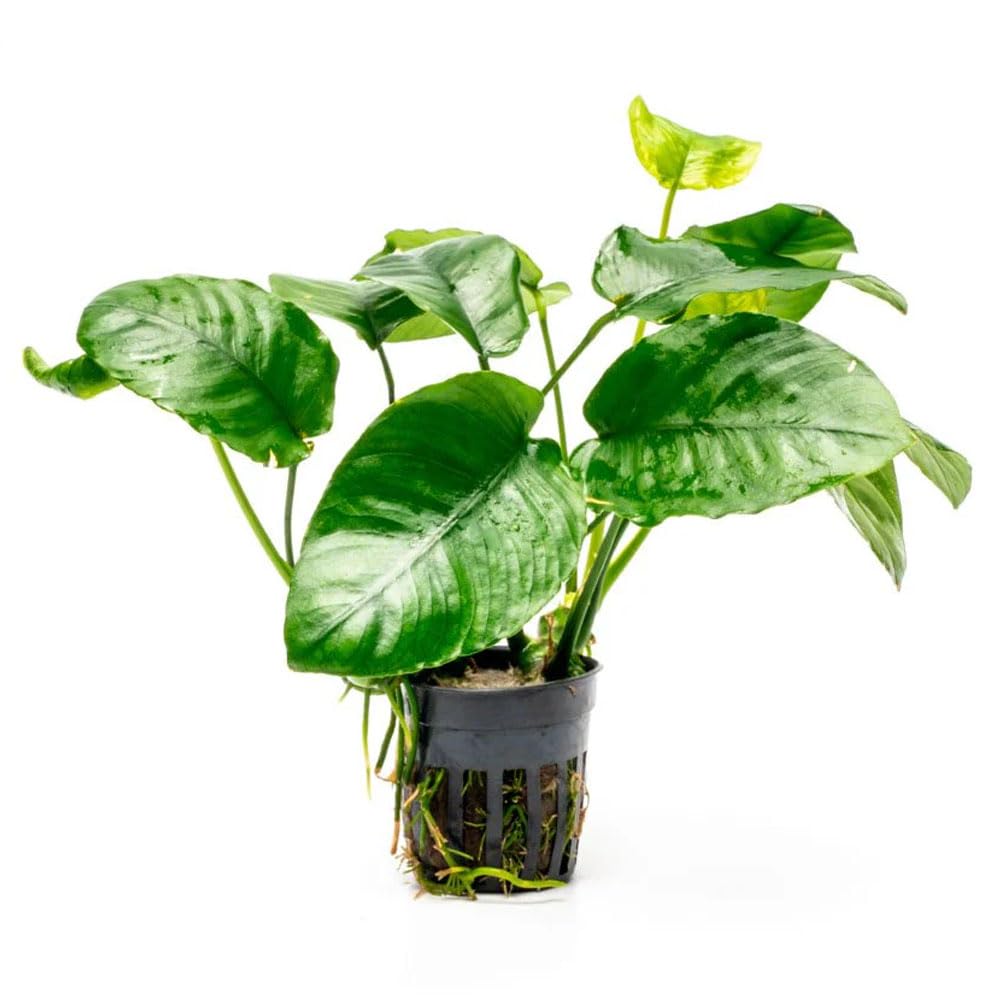
Rating: 4.5 ★ | Price: Mid-range | Light Needs: Low | Plant Type: Rhizome (potted) | Growth and Size: Slow, 4-6 in | Ease of Care: Very easy
This Anubias variant stands apart with deeply textured leaves that add visual depth to a low-tech tank, and every pot arrives in robust condition. It’s slightly larger than the top-pick Marcus Petite, making it better suited as a midground accent rather than a foreground nano plant. The rhizome should be attached to wood or rock, never buried, and lighting demands are minimal — a standard LED hood will do. Care information is less widely documented than for common Anubias species, but the plant responds well to basic aquarium routine: stable water, occasional liquid fertilizer, and patience with its slow growth.
Pros
- Distinctive wrinkled leaves create a unique look that common Anubias don’t offer.
- Arrives in excellent condition thanks to careful packaging and fast shipping.
- Very easy care under low light — suits beginners without CO2 or strong lighting.
Cons
- Slightly larger than the top-pick Marcus Petite — best as a midground plant, not for nano foregrounds.
- Less common species means online care guides are sparse, though basic Anubias rules apply.
A reliable, low-hassle plant for beginners who want something beyond the usual Anubias look — just plan for midground placement.
Best for Background
Marcus Amazon Sword 3-Pack

Rating: 4.6 ★ | Price: Budget | Light Needs: Moderate | Plant Type: Rooted background | Growth and Size: Fast, large | Ease of Care: Easy
The Marcus 3-pack delivers three Amazon swords with healthy leaves and established roots — a budget-friendly way to fill a background in larger freshwater tanks. These rooted plants thrive under moderate light and appreciate root tabs, unlike low-light anubias that need less care. They’re best for beginners who can provide that light and have a tank of 20 gallons or more.
Pros
- Healthy plants with strong root systems on arrival
- Three large swords at a budget-friendly price
- Easy to grow in a range of tank conditions
Cons
- Grows too large for tanks under 10 gallons
For hobbyists with medium-to-large tanks who can provide moderate light, this 3-pack offers unbeatable value for quick background coverage.
Best for Low-Light Tanks
AquaLeaf Java Fern

Rating: 4.2 ★ | Price: Budget | Light Needs: Low to medium | Plant Type: Rhizome | Growth and Size: Slow, up to 10 in | Ease of Care: Very easy
Java Fern is one of the easiest freshwater plants to keep, thriving in low-light tanks without CO2 or special substrate. The AquaLeaf version builds on that reputation with pest-free plants that arrive ready to attach to driftwood or rock — no soil needed. Compared to the top pick, which offers more consistent mature size, this one trades some reliability for a lower entry price, so expect plants that may be smaller than the listed size.
Best for absolute beginners setting up a low-light tank who want a plant that will grow steadily with minimal effort. The main tradeoff is that size and condition can vary between orders — some plants arrive smaller than expected or show stress from shipping. If you need a guaranteed large, lush plant out of the box, the pricier alternative with more consistent packaging may be a better fit.
Pros
- Thrives in low-light tanks without CO2
- Plants typically arrive pest-free and healthy
- Budget-friendly entry point for a classic beginner plant
Cons
- Arriving plants may be smaller than the listed size
- Some plants show stress or deterioration during transit
A low-cost way to get the famous low-light Java Fern — ideal for beginners who attach plants to wood or rock and don’t mind occasional size variation.
Best for Foreground Carpet
Marcus Dwarf Sag 15-Pack

Rating: 4.3 ★ | Price: Mid-range | Light Needs: Moderate to high | Plant Type: Rooted foreground | Growth and Size: Fast, 2-3 in | Ease of Care: Easy
Marcus’s 15-pack offers an affordable way to start a foreground carpet—plants root quickly and spread well under moderate to high light. Cold shipping can cause melting, so timing your order matters. This plant needs a nutrient-rich substrate and good lighting to thrive, making it a better fit for aquarists with those conditions rather than low-light setups. Best for beginners ready to provide adequate light and substrate who want a budget-friendly carpet plant.
Pros
- Healthy, well-rooted plants that spread quickly
- Creates a dense foreground carpet in moderate to high light
Cons
- Some plants may arrive yellow or trimmed short
Best for aquarists with moderate lighting and a nutrient-rich substrate who want an affordable carpet plant—the tradeoff is occasional quality variance on arrival.
Best for Guaranteed Quality
Marcus Java Fern 3-Pack

Rating: 4.5 ★ | Price: Mid-range | Light Needs: Low | Plant Type: Rhizome | Growth and Size: Slow, 7-12 in | Ease of Care: Very easy
These Java Ferns arrive larger and healthier than most online plant orders, with a pest-free guarantee that removes a common headache for new tank owners. Compared to the top pick Anubias, these ferns grow taller and work as a midground or background plant in tanks 10 gallons and up. They demand the same low care — attach to wood or rock, never bury the rhizome. The slightly higher price over generic packs buys peace of mind on plant condition, making this a sensible pick for beginners who want a plant that looks good from day one without worrying about melt or hitchhikers.
Pros
- Large, mature plants arrive in strong condition
- Pest-free and snail-free guarantee for worry-free introduction
- Three quality ferns at a fair mid-range price
Cons
- Priced above generic Java Fern packs — a tradeoff for consistent quality
For beginners who want a Java Fern they can count on without gambling on arrival condition, this pack justifies its premium over bargain alternatives.
Best for Budget Beginners
Water Plants Amazon Sword 3-Pack

Rating: 4.4 ★ | Price: Budget | Light Needs: Low to medium | Plant Type: Rooted background | Growth and Size: Fast, large | Ease of Care: Easy
Amazon Sword is a classic background plant that grows quickly under moderate light with root tabs. The three-pack offers solid value for budget-conscious beginners. However, plant size on arrival can be inconsistent – some come in small or with minor damage. This risk is manageable for those willing to trim and nurture, but perfectionists wanting uniform large plants should look elsewhere.
Pros
- Thrives in standard freshwater tanks with decent light and nutrient-rich substrate.
- Cost-effective way to get three background plants for a mid-sized aquarium.
Cons
- Needs root tabs and moderate lighting to reach full potential – not for ultra-low-tech tanks.
A sensible choice for beginners on a tight budget who can provide root tabs and moderate light, and who accept occasional size variation.
Best for First-Time Buyers
Big Pete’s Fern+Anubias

Rating: 4.3 ★ | Price: Budget | Light Needs: Low to medium | Plant Type: Rhizome | Growth and Size: Slow, small | Ease of Care: Very easy
This bundle pairs Java Fern and Anubias, two hardy rhizome plants that thrive in low light and need no substrate – ideal for nano tanks or first-time buyers. The main tradeoff is size: individual plants can arrive smaller than the photos suggest, so this is better for those who value variety over instant impact. Still, for the price, you get a pest-free, clean start with two species that are forgiving of beginner mistakes – just don’t expect large, mature specimens right away.
Pros
- Two hardy beginner plants in one budget-friendly bundle
- Plants arrive clean and free of pests
Cons
- Individual plants may arrive smaller than typical size – suits nano tanks rather than instant impact
Best for beginners setting up a small tank who want low-cost variety and are happy to wait for the plants to grow into their space.
Best for Nutrient Export
Aquarigram Red Root Floaters

Rating: 4.3 ★ | Price: Mid-range | Light Needs: Medium to high | Plant Type: Floating | Growth and Size: Fast, surface cover | Ease of Care: Easy
These floaters bring vivid red roots and leaves to open-top tanks with strong light, while pulling excess nutrients and curbing algae. The plants arrive healthy and pest-free, often with bonus leaves. However, this is not a low-light plant — under insufficient light or poor water parameters, some melting can occur. That makes them better suited to hobbyists who can provide the lighting their color demands, rather than a set-and-forget surface cover.
Pros
- Bright red roots and leaves add visual contrast to the tank surface.
- Effective nutrient absorption helps reduce algae growth.
Cons
- Some plants may melt under low light or unstable water chemistry.
A good fit for aquarists with medium-to-high lighting who want a decorative floater that doubles as a nutrient filter.
Best for Budget Setups
APC Water Spangle 12pk

Rating: 4.2 ★ | Price: Budget | Light Needs: Low to medium | Plant Type: Floating | Growth and Size: Fast, covers surface | Ease of Care: Easy
The Water Spangle delivers a large quantity of fast-growing floaters at a budget-friendly price, making it an inexpensive way to start surface coverage in shrimp tanks or for nutrient export. However, some plants may arrive with damaged leaves or be smaller than expected, so quality can vary between shipments — consistent condition requires spending more on a premium floater with a stronger health track record.
Pros
- Healthy, fast-growing floaters that multiply quickly
- Budget-friendly quantity for surface coverage
Cons
- Some plants can arrive damaged or undersized
Best for budget-minded setups where some plant condition variability is acceptable.
Best for Small Tanks
Generic Water Spangles
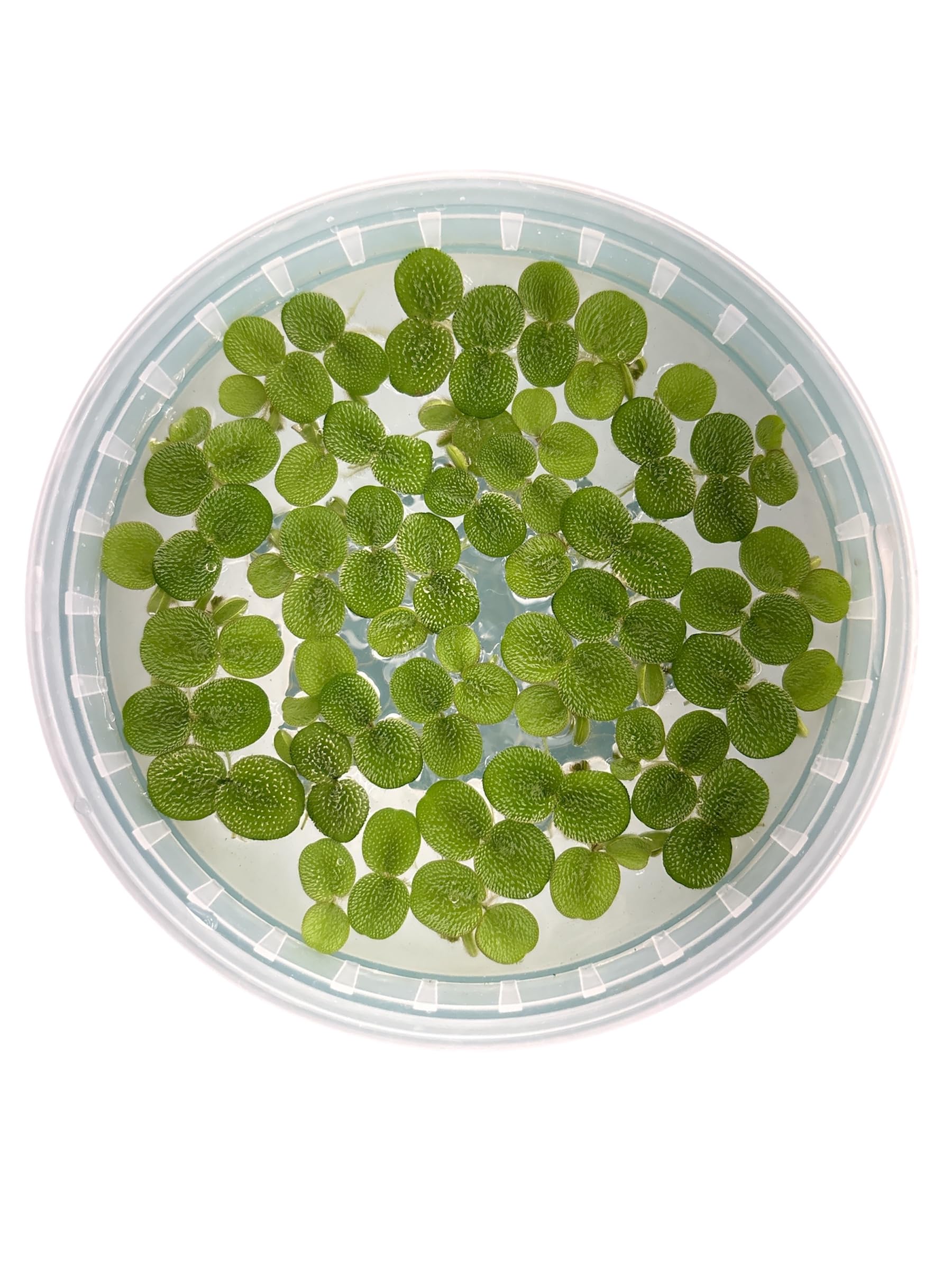
Rating: 4.6 ★ | Price: Mid-range | Light Needs: Medium to high | Plant Type: Floating | Growth and Size: Fast, covers surface | Ease of Care: Easy
These water spangles arrive in excellent condition, free of pests and ready to spread across the water surface. Growth is rapid, making them effective for nutrient export and shading. The seller has less long-term feedback compared to more established options, so consistency over time is less certain. For those wanting guaranteed health today, this is a strong choice.
Pros
- Arrives pest-free and lush, ready to cover the surface quickly.
- Rapid growth for nutrient export and shading in small to medium tanks.
Cons
A good option if immediate plant health is the top priority and you’re comfortable with a newer seller.
Best for Variety
Swimming Creatures 10-Species
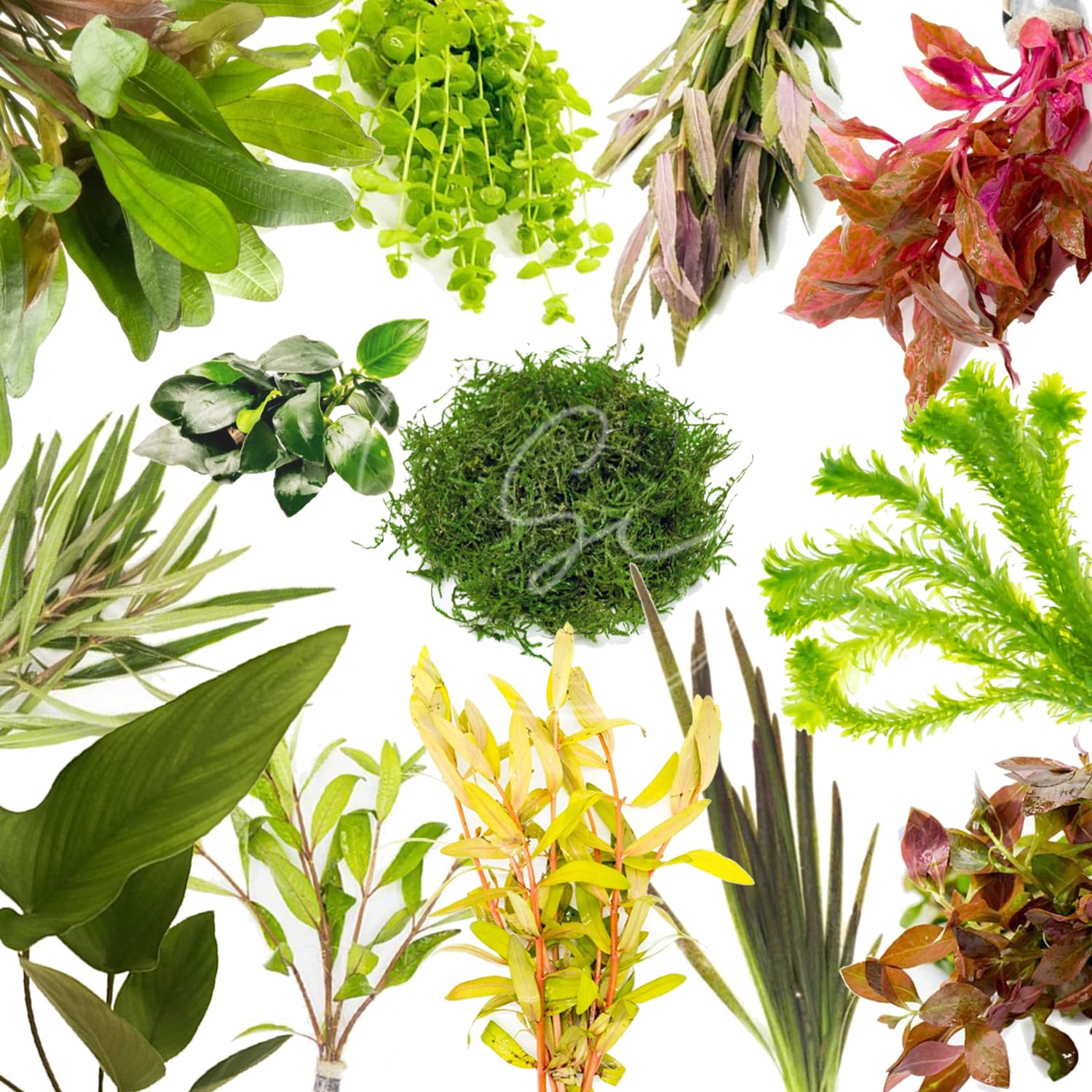
Rating: 4.2 ★ | Price: Premium | Light Needs: Mixed | Plant Type: Mixed | Growth and Size: Varies | Ease of Care: Varies
This bundle delivers ten different species for a single price, making it a tempting option for anyone wanting to try a wide range of plants at once. The variety is real, and many specimens arrive in good shape. However, the plants come without any identification tags, so identifying each species is entirely on you. Some plants, particularly mosses, may arrive in poor condition. This combination of unknowns makes the bundle better suited to intermediate hobbyists who enjoy research and can handle a few surprises, rather than absolute beginners looking for a straightforward setup.
Pros
- Ten species for the price of a single plant – great variety to experiment with.
- Most plants arrive healthy and ready to grow.
Cons
- Plants are not labeled – identifying each species is left to the buyer.
Best for hobbyists who enjoy identifying plants and want to sample many species at once, despite the occasional plant in poor condition.
Best for Low-Tech Tanks
Generic Java Fern B2G1

Rating: 4.3 ★ | Price: Budget | Light Needs: Low | Plant Type: Rhizome | Growth and Size: Slow, 5-12 in | Ease of Care: Very easy
This bundle gives you three Java Ferns at a price that undercuts most single-plant offerings. The plants arrive with vibrant green leaves and strong root systems, well-suited for low-tech tanks where other species struggle. But the size of each rhizome is not guaranteed – some may be notably small, so this pack works best when you need multiple ferns to fill a space gradually rather than instant coverage.
Pros
- Healthy green leaves and sturdy roots on arrival
- Three plants at a price that beats buying individually
Cons
- Rhizome size can vary – some arrive quite small
A decent option if you’re stocking a low-light tank on a tight budget and don’t mind waiting for smaller specimens to grow in.
Best for Fast Growth
Marcus Anacharis 3-Pack
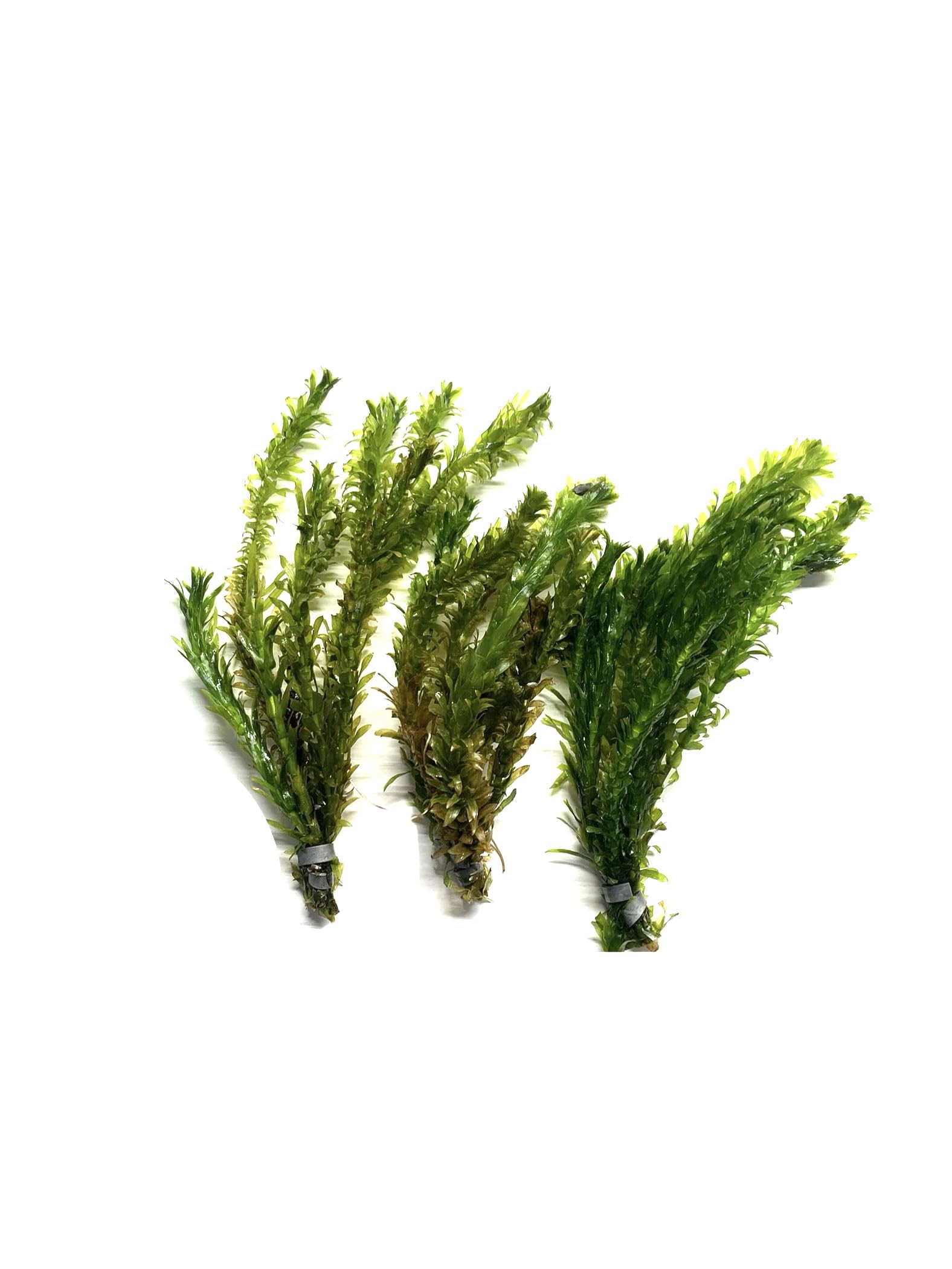
Rating: 4.4 ★ | Price: Mid-range | Light Needs: Low to medium | Plant Type: Stem plant | Growth and Size: Fast, 6-10 in | Ease of Care: Very easy
This anacharis grows quickly, making it effective at pulling excess nutrients from the water and improving clarity. Goldfish can nibble the tender leaves without harming the plant, so it works well in community tanks. Some stems may arrive broken or disintegrate after a few days, but the plant’s rapid regrowth usually compensates.
Pros
- Fast growth for rapid nutrient uptake and water clarity.
- Healthy, vibrant green stems that grow quickly in low to medium light.
Cons
- Some stems may arrive broken or disintegrate after a few days.
A good pick for goldfish owners or anyone needing fast-growing stem plants, as long as you’re okay with occasional stem breakage.
Best for Showy Centerpiece
Marcus Tiger Lotus

Rating: 4.3 ★ | Price: Budget | Light Needs: Medium | Plant Type: Bulb plant | Growth and Size: Fast, large leaves | Ease of Care: Easy to moderate
The Tiger Lotus delivers vivid red and variegated leaves that grow quickly once established, making it a striking focal point in a mid-sized tank. Healthy bulbs with strong root development are the norm here. The catch: bulbs arrive in varying sizes, and shipping can leave some damaged, so a patient approach and moderate lighting are required for success. This is a rewarding plant for hobbyists who can accommodate its light needs and accept the occasional bulb gamble — not a set-and-forget choice for low-light beginner tanks.
Pros
- Fast grower with vivid red and variegated leaves
- Healthy bulbs with well-developed roots on arrival
Cons
- Bulb size can vary; smaller specimens may struggle to establish
Worth a try if you have moderate light and don’t mind a little bulb-size uncertainty — skip it if you need a guaranteed showpiece with zero fuss.
How to Choose
The key to success with live aquarium plants is matching the plant’s light and planting requirements to your tank setup, not just picking the cheapest option.
Light Requirements
Low-light plants like Java Fern and Anubias thrive under standard LED hoods and need no extra equipment. Moderate-to-high light plants like Amazon Sword or Dwarf Sagittaria may stretch, pale, or melt if light is insufficient, and often require a dedicated light fixture.
Higher light also fuels algae growth if nutrients and CO2 aren’t balanced. For a beginner tank, sticking with low-light plants reduces maintenance and keeps the learning curve manageable.
Plant Type
Rhizome plants (Java Fern, Anubias) must never have their rhizome buried—it rots. They should be glued or tied to wood or rock. Rooted plants (Swords, Sagittaria) need a nutrient-rich substrate or root tabs to feed their extensive root systems.
Floating plants (Water Spangle, Red Root Floater) require no substrate but block light from below and can overtake the surface. Each type demands a specific planting method—misunderstanding this is the most common beginner mistake.
Growth Speed and Final Size
Slow growers like Anubias and Java Fern stay compact for months, making them ideal for nano tanks but disappointing if you want a quick background. Fast growers like Anacharis and Water Spangle can double in size weekly, requiring frequent trimming to avoid covering the entire tank.
Final size matters: an Amazon Sword that reaches 18 inches can overtake a 10-gallon tank. Always check the mature size of a plant, not just the arrival size.
Ease of Care
Most beginner-marketed plants are genuinely easy—they tolerate low light, no CO2, and a wide temperature range. However, some plants like Tiger Lotus require moderate light and can melt back if shipped cold or if water parameters shift.
The real difference in ease comes from the seller’s reliability. A healthy, pest-free plant from a consistent source will outlast a cheap, damaged plant from an unreliable seller, even if both are the same species.
Pest-Free Guarantee
Many live plants arrive with hidden snail eggs or pest larvae, which can quickly infest a clean tank. Some sellers explicitly guarantee pest-free plants, which saves the hassle of quarantining and dipping.
If a plant doesn’t have such a guarantee, plan to quarantine it for 2-3 weeks or dip in an alum solution (1 tbsp per gallon) for 15 minutes to kill hitchhikers before adding to your display tank.
FAQ
Why are my new aquarium plants melting after a week?
Melting often happens when plants are adjusting to different water parameters or light levels, especially if they were grown emersed and are transitioning to submerged growth. Remove the melted leaves to prevent rot and give the plant 2-3 weeks to produce new aquatic leaves. If the plant continues to die, check lighting and nutrient levels—most melt is temporary.
How do I get rid of snails that came with my live plants?
Quarantine new plants for at least two weeks and manually remove any visible snails. For a thorough treatment, dip the plants in an alum solution (1 tablespoon per gallon of water) for 15 minutes, then rinse before adding to your tank. Avoid copper-based treatments as they can harm shrimp and some fish.
Can I plant Java Fern in gravel?
No, Java Fern is a rhizome plant and should not be buried. Burying the rhizome causes it to rot and die. Instead, attach it to driftwood, rock, or aquarium decor using super glue gel or thread. Roots will cling to the surface over time.
How long does it take for Amazon Sword to grow in a new tank?
Amazon Swords are moderate-to-fast growers under good light and with root tabs. You should see new leaves every week, and the plant can reach full size (12-18 inches) in 2-3 months. Slow growth usually indicates insufficient light or nutrients, so adjust accordingly.