This post contains affiliate links. We may earn a small commission when you buy through our links — at no extra cost to you.
Ordering community fish online can feel like a lottery. The glossy photo shows vibrant adults, but the box often holds pale, half-sized juveniles. Shipping stress kills more fish in the first week than any tank mistake.
The difference between a disappointing arrival and a thriving tank comes down to species hardiness and seller reliability. Some fish handle transit well and regain color within days. Others stay shy and stressed for weeks. This guide prioritizes species that ship well and color up fast, so you spend less time worrying and more time watching a lively community.
Sure, most online fish are young. But some acclimate in days while others take weeks. The difference is worth knowing before you click ‘buy’.
Top Picks
Best for Classic Community
Neon Tetra 6-Pack

Rating: 4.3 ★ | Price: Mid-Range | Peacefulness: Peaceful, excellent community | Adult Size: ~1.5 inches adult | Schooling: Strict schooler, min 6 | Hardiness: High survival, hardy
Neon tetras from Swimming Creatures Store arrive in good health and regain their classic iridescent blue and red stripes within days of acclimation. The six-pack often includes an extra fish or two, and reports consistently note that the fish remain calm in transit, which is unusual for online live fish orders. Their peacefulness makes them compatible with most community tank mates that aren’t large or aggressive.
This pack suits aquarists building a classic community school rather than seeking instant display fish. The tetras are shipped as juveniles (1–2 cm), so they need a few weeks to reach full size and develop their signature neon glow. That patience pays off — once settled, they form a cohesive school that fits seamlessly into a beginner-friendly or planted setup. Avoid housing them with fin-nippers or cichlids that view them as prey.
Pros
- Vibrant neon blue and red stripes that ‘pop’ in any community tank.
- High survival during shipping when properly handled.
- Peaceful nature makes them ideal tank mates for other non-aggressive species.
Cons
- Fish are shipped as juveniles (1–2 cm); size can be smaller than expected for those seeking full-grown fish immediately.
- Full neon coloration takes a few weeks to develop after arrival.
For a peaceful community school that grows into its iconic look, this six-pack delivers consistent health and value.
Best for Colorful Community
Male Fancy Guppy 6-Pack

Rating: 4.1 ★ | Price: Mid-Range | Peacefulness: Peaceful, colorful | Adult Size: 1-2 inches adult | Schooling: Loose schooler, social | Hardiness: Hardy, active
This 6-pack of male fancy guppies delivers a striking variety of colors and patterns that liven up any tank immediately. While not as universally safe as the neon tetra for every community, these guppies are active and healthy upon arrival, with robust swimming behavior that stands out.
Ideal for beginners wanting variety or breeders looking for males, but only for tanks without aggressive fin-nippers. Note that some fish may be juveniles — they need a few weeks to reach full size and color, which is a common tradeoff for the broad color assortment offered here.
Pros
- Stunning color variety and patterns from the moment they enter the tank.
- Very active and healthy upon arrival, with lively swimming behavior.
Cons
- Some fish may be smaller than expected, arriving as juveniles rather than adults.
Vibrant male guppies with reliable health and color — best suited for community tanks that can accommodate juveniles and avoid fin-nippers.
Best for Budget Community
Male Guppy 12-Pack

Rating: 4.1 ★ | Price: Budget | Peacefulness: Peaceful community | Adult Size: ~1.5 inch adult | Schooling: Loose schooler | Hardiness: Fair survival, healthy
This 12-pack of male guppies delivers the most color per dollar in the category – ideal for budget-conscious community tank setups. While the top pick neon tetras offer guaranteed peacefulness, these guppies bring a wider variety of hues and patterns for under $35. Some fish may arrive with damaged fins or be smaller than expected, though healthy arrivals are typical. The all-male composition prevents unwanted breeding, a plus for community tanks. This pack suits aquarists who prioritize value and visual variety over absolute consistency from shipment.
Pros
- 12 assorted male guppies at a budget price – the best value in this category.
- Vibrant mix of colors adds immediate visual interest to community tanks.
- All-male pack eliminates risk of overpopulation in community setups.
Cons
- Some fish may arrive with damaged fins or smaller than expected – inspect upon arrival.
A cost-effective way to add a school of colorful males to your community aquarium – with occasional fin damage as the main tradeoff to accept.
Best for Algae Control
Pleco 3-4"
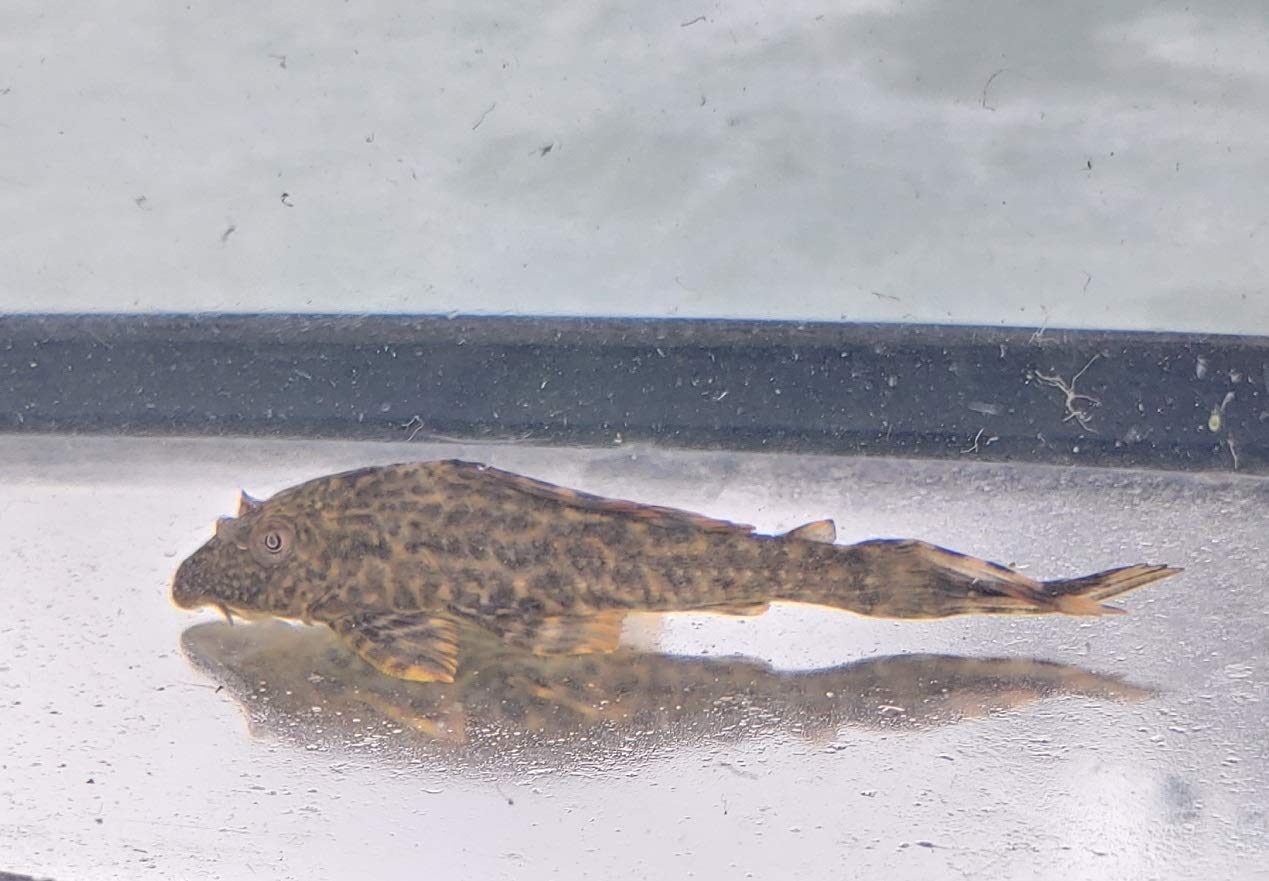
Rating: 4.8 ★ | Price: Budget | Peacefulness: Peaceful bottom dweller | Adult Size: 3-4 inches adult | Hardiness: Very hardy, large
This 3-4 inch pleco arrives larger and healthier than most online sellers deliver, and it gets to work on algae right away. It needs driftwood in the tank for proper digestion — a natural requirement for plecostomus. Over time it may outgrow tanks under 20 gallons, so it’s best suited for medium to large community aquariums where its peaceful bottom-dwelling nature fits.
Pros
- Arrives at a full 3-4 inches — healthy and active from day one.
- Effective algae eater that starts cleaning immediately.
Cons
- Over time, this pleco can outgrow tanks under 20 gallons.
If you have a medium to large community tank and want an efficient algae cleaner that arrives in great condition, this pleco delivers exceptional value.
Best for Families, Showpiece
GloFish 20G Community

Rating: 4.2 ★ | Price: Premium | Peacefulness: Peaceful, mixed species | Adult Size: ~1.5-2 inch adults | Schooling: Schooling mix | Hardiness: Good survival, colorful
The GloFish 20G Community Pack brings genetically modified fluorescent fish that glow brightly under blue LED lights. When properly acclimated, the 16 fish arrive healthy and active. This pack suits families looking for a visually striking tank that stands out from standard community setups—though the premium price reflects the novelty. Be aware that vibrancy depends on lighting and diet; some fish may appear less intense than promotional images.
Pros
- Vibrant glowing appearance that mesmerizes children and guests
- Fish arrive healthy when properly acclimated to the tank
Cons
- Premium pricing relative to non-fluorescent community packs of similar size
A splashy centerpiece for households that prioritize visual wow over natural aesthetics—not for budget-conscious community builders.
Best for Bottom Activity
Kuhli Loach 6-Pack
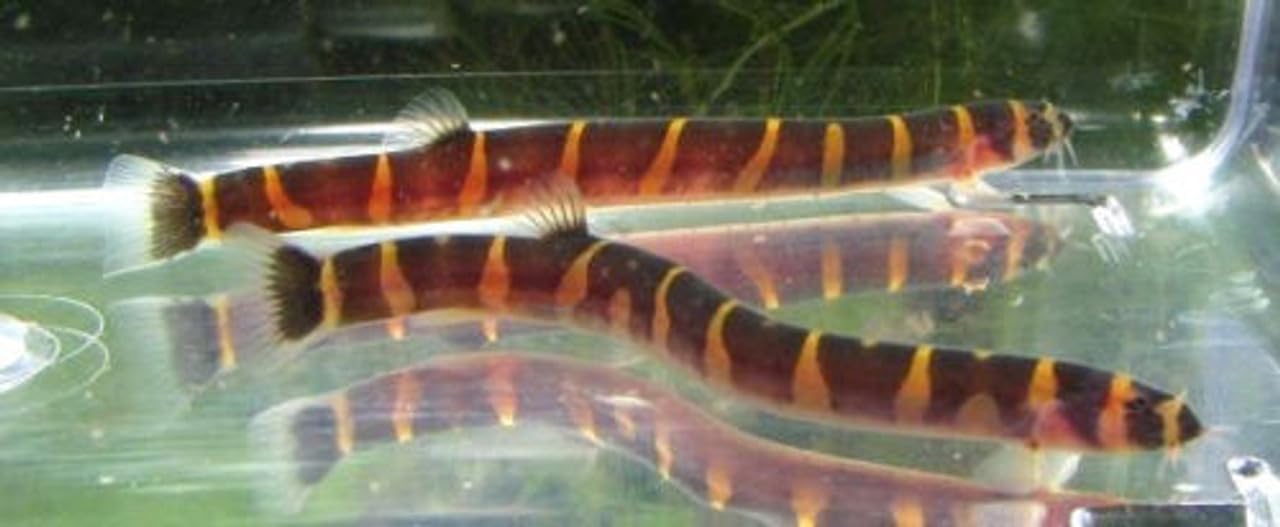
Rating: 4.2 ★ | Price: Budget | Peacefulness: Very peaceful bottom | Adult Size: 2-3 inches adult | Schooling: Group, not school | Hardiness: Hardy but shy
These striped kuhli loaches are peaceful nighttime scavengers that thrive in well-decorated tanks. Unlike active daytime bottom feeders, they prefer to burrow under driftwood and leaf litter during the day, emerging at night to sift through the substrate for uneaten food. This pack suits aquariums with sand substrate and ample hiding spots, but they will remain hidden in bright, open setups. Buyers wanting consistent daytime activity should look elsewhere — the value lies in watching their eel-like movements under moonlight or blue LEDs.
Pros
- Arrive healthy and active after shipping
- Playful eel-like movements when they do appear
- Efficient scavengers that help clean leftover food
Cons
- In brightly lit community tanks without dense cover, they may stay hidden all day
A budget-friendly six-pack for aquarists who enjoy nocturnal observation and have a well-planted sand-bottom tank.
Best for Nano, Peaceful
Pygmy Cory 6-Pack
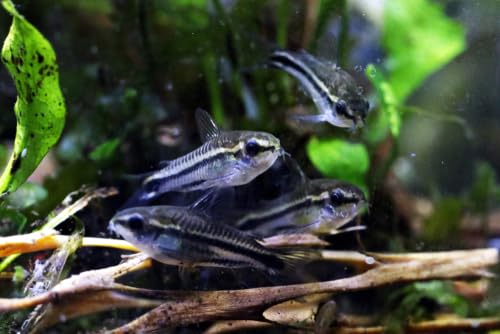
Rating: 4.4 ★ | Price: Mid-Range | Peacefulness: Extremely peaceful | Adult Size: ~1 inch adult | Schooling: Schooling, active | Hardiness: High survival, active
These pygmy corys arrive healthy and active, well-suited for nano tanks and shrimp-safe communities. Their ~1 inch size means they may get lost in larger tanks and need soft sand substrate. Brand diversity prevented this from ranking higher, but for small tanks they offer peaceful bottom activity.
Pros
- Healthy and active upon arrival, well-packaged for transit.
- Adorable and peaceful bottom dwellers that stay small.
Cons
- May be smaller than expected, especially compared to standard cory species.
Ideal for nano tanks and shrimp communities that need tiny bottom life; skip if you want larger catfish or have a spacious tank.
Best for Active Community
Serpae Tetra 5-Pack

Rating: 4.6 ★ | Price: Budget | Peacefulness: Potential fin-nipper | Adult Size: ~1.5 inch adult | Schooling: Schooling, active | Hardiness: Very hardy, large
These serpae tetras arrive in excellent health and are noticeably larger than typical online orders, often including an extra fish at no cost. Their active schooling behavior and deep red color make them a strong accent choice for community tanks. However, as a species known to fin-nip, they are not suited for tanks with long-finned bettas or angelfish; they thrive best in active communities without delicate tank mates.
Pros
- Arrive larger than the typical 1-inch juveniles, often at 1.5 inches or more.
- Regularly include an extra fish, making the 5-pack a 6-pack in many shipments.
Cons
- May nip at long-finned tank mates such as bettas or angelfish in some community setups.
A strong value for active community tanks that can accommodate a slightly nippy species, but avoid if you keep long-finned or slow-moving fish.
Best for Cool Water
Dojo Loach Golden

Rating: 4.7 ★ | Price: Mid-Range | Peacefulness: Peaceful, social | Adult Size: 4-6 inches adult | Schooling: Social, not school | Hardiness: Hardy, cool water
This golden dojo loach brings personality and activity to cool-water setups. It ships well and adjusts quickly, showing healthy behavior from arrival. However, its need for temperatures below 75°F limits compatibility with most tropical community fish—better suited for unheated tanks or ponds with similar coldwater species.
Pros
- Active, social fish with playful personalities.
- Ships well and adjusts to new tanks quickly.
Cons
- Requires water temperatures below 75°F, limiting tankmate options in tropical communities.
A great fit for cool-water enthusiasts or pond keepers who want an interactive, personality-filled fish without the need for heating.
Best for Breeders
Dragon Guppy Trio

Rating: 4.2 ★ | Price: Premium | Peacefulness: Peaceful breeder | Adult Size: ~1.5 inch adult | Schooling: Breeding pair | Hardiness: Good survival, genetic
This Dragon Guppy Trio offers a male and two females with show-quality lineage, arriving healthy and active. The fish are intended for breeding projects rather than immediate visual impact, as the vibrant blue-green mosaic pattern shown online can be less intense in person—some buyers receive mostly black individuals. For aquarists focused on establishing unique guppy lines and willing to wait for color development, this is a solid starting point. But for anyone seeking an instant display fish in a peaceful community tank, the color uncertainty and premium price make it a risk.
Pros
- Healthy, active breeders suitable for establishing a new line.
- Beautiful genetic potential with unique blue/green mosaic patterns.
Cons
- Coloration can be much duller than stock photos; may appear mostly black.
Best for guppy breeders who value genetic stock over instant color; less suited for community tanks needing immediate visual appeal.
Best for Driftwood Tanks
Clown Pleco

Rating: 4.1 ★ | Price: Mid-Range | Peacefulness: Peaceful bottom | Adult Size: 2-3 inches adult | Hardiness: Hardy, small shipped
This clown pleco brings a unique pattern and calm temperament to planted tanks with driftwood – its primary food source. It’s a hardy fish once acclimated, but most arrive at roughly 1 inch instead of the advertised 2+, so full adult size takes patience. The driftwood requirement also rules out standard community tanks without it, making this a targeted choice for aquarists building a wood-focused setup.
Pros
- Beautiful pattern and peaceful temperament in established tanks
- Hardy once conditions (driftwood, stable water) are right
Cons
- May arrive at 1 inch instead of the advertised 2+; growth to full size takes months
A solid option for small, driftwood-rich tanks where a slow-growing, peaceful bottom-dweller fits – just don’t expect a large fish out of the bag.
Best for Breeders
Blue Tarzan Pair
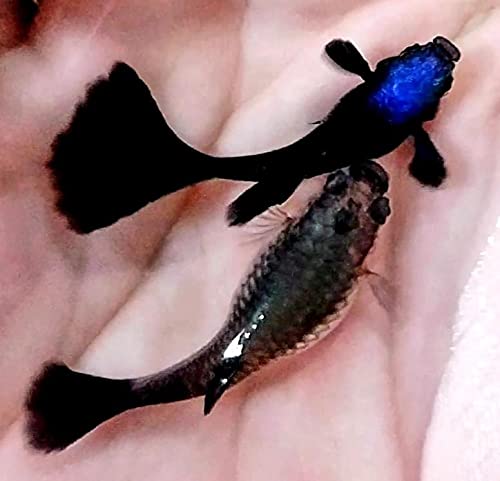
Rating: 4.0 ★ | Price: Mid-Range | Peacefulness: Peaceful breeder | Adult Size: ~1 inch juvenile | Schooling: Breeding pair | Hardiness: Fair survival, color
Healthy breeding pair arrives well-packed and shows good genetics. However, coloration is mostly black rather than blue as pictured, and fish are small juveniles (1–1.5 inches). This pair suits dedicated breeders running a project tank, not those seeking instant display color.
Pros
- Healthy breeding pair with strong genetic potential
- Packaging includes heat pack and careful insulation for safe transit
Cons
- Coloration is more black than blue, differing significantly from promotional images
Best for breeders who want to develop a new strain and don’t mind starting with small, dark-colored juveniles.
How to Choose
The key to a successful community tank is matching fish temperament, size, and schooling needs with your tank’s capacity and your patience for color development.
Peacefulness & Compatibility
Peacefulness is the foundation of a community tank. One aggressive or fin-nipping fish can stress an entire tank, leading to disease and hiding. Most community fish are listed as ‘peaceful,’ but true compatibility depends on target species—avoid pairing long-finned fish with known nippers like serpae tetras.
Look for fish that naturally school and occupy different water levels (top, mid, bottom) to reduce competition. A mixed-level community is almost always more stable than one where all fish compete for the same space.
Adult Size
Adult size determines not just tank space but also who eats whom. A 3-inch pleco is harmless to a neon tetra, but a 6-inch dojo loach can accidentally swallow small tank mates. Even within the same species, juveniles shipped online are often half their advertised adult length.
Plan for the size the fish will reach, not the size it arrives. A 20-gallon tank works for 1-inch nano fish but quickly gets cramped for a 4-inch pleco and a school of tetras.
Schooling & Group Size
Schooling fish need a minimum group—usually 6 or more—to feel secure and display natural behavior. A lone tetra hides and stresses, while a proper school swims confidently and colors up faster. Bottom dwellers like corydoras also thrive in groups, though they don’t school in the same tight formation.
For shy fish like kuhli loaches, a group of 5-6 reduces hiding time. Buying a single loach often means you’ll never see it.
Algae-Eating Ability
Not all bottom dwellers eat algae. Plecos and otocinclus are true algae eaters, but many loaches and corydoras only scavenge leftover food. If you need algae control, choose species with a documented preference for algae—otherwise you’ll end up with a fish that relies on sinking wafers and ignores the green film.
Otocinclus are excellent but notoriously fragile during shipping; their survival rate is significantly lower than bristlenose plecos. For reliable algae control in a community tank, a 3-4 inch pleco is the safer bet.
Hardiness & Shipping Survival
Shipping stress is the leading cause of early losses, regardless of seller quality. Hardy species like neon tetras and guppies recover quickly, while delicate fish like galaxy rasboras and otocinclus often arrive dead or die within days. The packaging method matters—heat packs, oxygen, and insulation reduce mortality.
Check reviews for recent survival reports, not just overall rating. A product with 4 stars but frequent ‘DOA’ comments is a gamble. Stick to species with a proven track record of arriving alive and active.
FAQ
Why did my neon tetras die within a week of arrival?
Most neon tetra deaths in the first week are due to shipping stress compounded by tank mismatch—usually an uncycled tank or sudden pH swing. Acclimate slowly over 30 minutes and test your water for ammonia and nitrite before adding. If your tank is mature and stable, neon tetras are among the hardiest community fish.
Do serpae tetras fin nip in a community tank?
Serpae tetras have a reputation for nipping long-finned tank mates like bettas and angelfish. In a community of fast-moving fish like other tetras or danios, they usually behave. If you have slow, flowy fish, skip the serpaes or keep a large school (8+) to diffuse aggression.
Are pygmy corydoras safe to keep with cherry shrimp?
Yes, pygmy corydoras are completely shrimp-safe. Their mouths are too small to harm adult cherry shrimp, and they occupy different zones (bottom vs. mid). They even help clean up leftover shrimp food. Just avoid aggressive tank mates that might stress either species.
What size tank do I need for a 6-pack of kuhli loaches?
A 10-gallon tank is the minimum for a group of 6 kuhli loaches, but a 20-gallon long is better because they need horizontal floor space. They are extremely shy without hiding spots, so provide plenty of caves, plants, or PVC pipes. Sand substrate is essential—sharp gravel damages their barbels.