This post contains affiliate links. We may earn a small commission when you buy through our links — at no extra cost to you.
Ordering live snails online often comes with surprises: some arrive dead, others are tiny, and a few species breed faster than you expect. The frustration of paying for a cleanup crew that doesn’t survive a week is all too common.
The real challenge isn’t finding snails — it’s picking the right species and seller. Nerites are non-breeding workhorses, assassins target pest snails, mystery snails add color but lay eggs, and trumpet snails aerate substrate. Each solves a different problem.
This guide walks through the trade-offs so you know exactly which snail fits your tank size, your cleaning goals, and your tolerance for shipping losses.
Top Picks
Best for Algae Control
Zebra Nerite 12-Pack

Rating: 4.4 ★ | Price: $$ | Species: Zebra Nerite | Quantity: 12 | Breeding: Does not breed in freshwater
These zebra nerites strip green spot algae and diatoms from glass, decor, and plants within the first week, according to numerous hobbyist accounts. Their bold striped shells and active grazing add visual interest to a tank without the risk of overpopulation — nerites cannot reproduce in freshwater, so you get a one-time workforce that won’t multiply.
The main catch is shipping survival. Packing includes thermal insulation, but transit stress and temperature swings can cause losses — some buyers receive a few dead snails while others lose several. This makes the 12-pack best for aquarists who can absorb a few casualties and still end up with a functional cleanup crew. Tanks under 10 gallons may find the bioload of a dozen snails too heavy; consider a smaller pack or fewer snails.
Pros
- Clears algae in about a week — glass, leaves, and hardscape look noticeably cleaner.
- Distinctive zebra stripes and constant movement make them fun to watch.
- Cost per snail is competitive for a non-breeding algae worker that lives several years.
Cons
- Shipping can deliver dead snails — losses are possible despite insulated packaging.
- In tanks under 10 gallons, a dozen snails may create more bioload than the system handles comfortably.
If you need fast, non-breeding algae control and can accept that some snails may not survive transit, this pack delivers on its cleaning promise at a fair per-snail price.
Best for Pest Snail Elimination
Assassin Snails 5-Pack

Rating: 4.1 ★ | Price: $ | Species: Assassin Snail | Quantity: 5 | Breeding: Does not breed in freshwater | Size at Delivery: 0.5-1 inch
This five-pack focuses on one job: wiping out bladder, trumpet, and ramshorn snails. Over 750 reviews back its effectiveness, with most snails arriving active and hunting within hours. The striped shells add visual interest, but the real draw is a chemical-free solution for tanks overrun by pests. However, once the pest snails are gone, these assassins may turn on each other unless fed or rehomed. Some mortality during shipping can occur despite careful packaging, so expect a few losses in transit.
Pros
- Clears pest snail infestations quickly and naturally.
- Most snails arrive healthy and begin hunting immediately.
Cons
- Once pest snails are gone, assassins may start hunting each other without supplemental feeding.
- Some snails may not survive shipping despite good packaging.
A focused pest-control tool that works well for its intended job; not a general-purpose tank addition.
Best for Color Variety
Mystery Snails 10-Pack
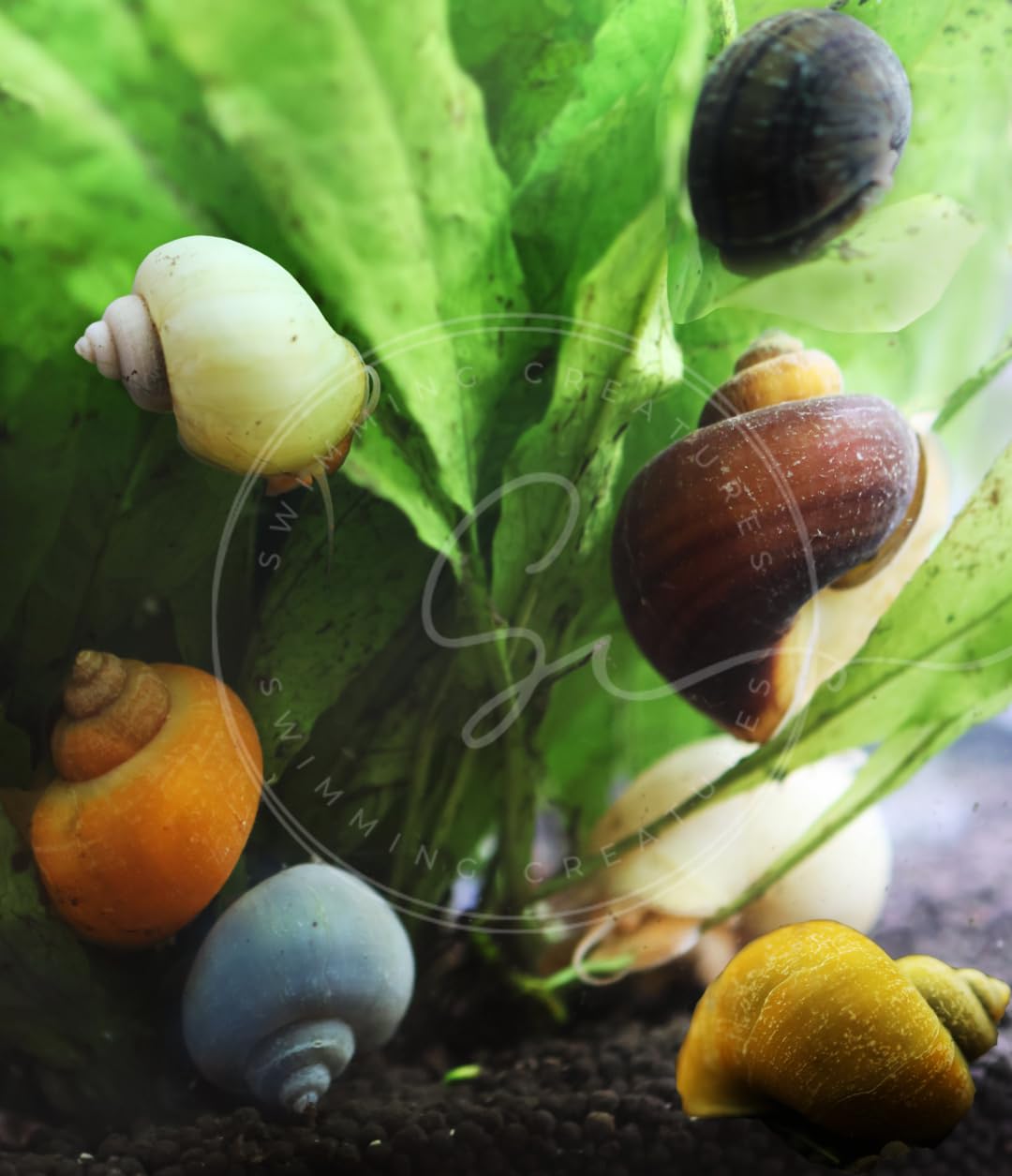
Rating: 4.3 ★ | Price: $$ | Species: Mystery Snail | Quantity: 10 | Breeding: Lays egg clutches | Size at Delivery: Nickel to quarter
Assorted mystery snails arrive in a wide range of shell colors — blue, gold, ivory, and magenta — making them a lively addition to planted community tanks. This pack suits hobbyists with 20-gallon or larger setups who want a group of active snails and can accept that a small number may not survive the journey or initial acclimation.
Pros
- Wide shell color assortment including blue, gold, ivory, and magenta.
- Snails typically arrive active and moving.
- Larger than expected size, often nickel to quarter.
Cons
For those who want a colorful, active snail group and can manage some mortality, this pack delivers good value.
Best for Pond Algae Control
Trapdoor Snails 25-Pack

Rating: 4.5 ★ | Price: $$$ | Species: Trapdoor Snail | Quantity: 25 | Breeding: Slow reproduction | Size at Delivery: 1-2 inches
These trapdoor snails arrive at a generous 1-2 inches and handle temperature swings well, making them a dependable choice for outdoor ponds. However, the species label can be inconsistent — some buyers receive Chinese rather than Japanese trapdoor snails, which matters if authenticity is a priority. This pack suits pond owners who value size and hardiness over exact species, and is excessive for aquariums under 20 gallons.
Pros
- Large, healthy snails sized from dime to quarter
- Effective at reducing algae in ponds, with noticeable cleaning impact
- High survival rate with praised packaging
Cons
- Species may be Chinese instead of Japanese, disappointing those expecting the Japanese variety
- Some snails can arrive with damaged shells or appear sluggish
A practical bulk buy for pond owners who prioritize size and hardiness over species label.
Best for Substrate Aeration
MTS 12-Pack
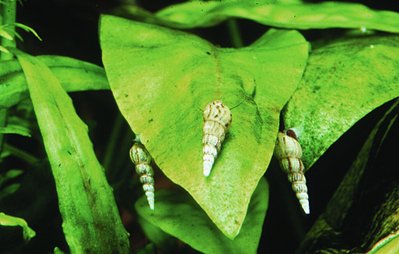
Rating: 4.3 ★ | Price: $ | Species: Malaysian Trumpet Snail | Quantity: 12 (often extras) | Breeding: Reproduces live young | Size at Delivery: Various sizes
These trumpet snails burrow through substrate, preventing anaerobic dead zones that harm plant roots. Unlike the top pick’s nerites, which stay on surfaces, MTS work the soil — but they reproduce live young, so population control is essential.
Best for planted tanks needing natural aeration and detritus cleanup. The rapid breeding means they suit aquarists who can manage numbers through feeding limits or occasional removal.
Pros
- Great substrate aerators – burrow and prevent anaerobic pockets
- Arrive alive and healthy, with extra snails often included
- Effective at cleaning detritus and leftover food
Cons
- Can multiply rapidly and become a pest if overfed
If you want aeration for your planted tank and don’t mind monitoring population, these MTS deliver — just keep feeding modest.
Best for Budget Starter
Gold Mystery Snail 3-Pack

Rating: 4.4 ★ | Price: $ | Species: Mystery Snail | Quantity: 3 | Breeding: Lays egg clutches | Size at Delivery: Nickel to quarter
These gold mystery snails arrive at a size between a nickel and a quarter, noticeably larger than many competitors’ offerings. Their golden color is vibrant and matches the listing well. They are active and begin exploring the tank within hours of introduction. While the number of reported buyer experiences is modest, those that exist are consistently positive about live arrival and healthy behavior. This means long-term consistency is less certain compared to options with more documented history, but for a beginner adding colorful snails to a small or medium tank, this three-pack offers strong value.
Pros
- Snails arrive alive and active, exploring the tank within hours.
- Vibrant golden color matches the product description well.
- Good size (nickel to quarter) larger than many competitors.
Cons
A cost-effective way to add three large, colorful mystery snails to a small or medium tank, especially for beginners.
Best for Pest Snail Control
Assassin Snails 5-Pack

Rating: 4.1 ★ | Price: $ | Species: Assassin Snail | Quantity: 5 | Breeding: Does not breed in freshwater
This five-pack of assassin snails delivers the same pest-control punch as the leading option, clearing bladder and trumpet snails from infested tanks. The striped shells add visual interest, and most arrive active. The trade-off: some snails may not survive shipping, so plan for potential losses. It ties closely with the top pick but sits just below in review count and rating, making it a reliable second choice for budget-focused aquarists who accept a small survival risk.
Pros
- Effectively reduces pest snail populations in infested tanks.
- Snails typically arrive healthy and active.
Cons
- A portion of snails may die during shipping or shortly after arrival.
Best for aquarists who need a cost-effective pest-control solution and can tolerate occasional shipping losses rather than paying a premium for guaranteed live arrival.
Best for Single Snail Cleaner
Golden Mystery Snail 1-Pack

Rating: 4.1 ★ | Price: $$ | Species: Mystery Snail | Quantity: 1 | Breeding: Lays egg clutches | Size at Delivery: 0.5-2 inches
This golden mystery snail offers active behavior and effective algae cleaning for a single-snail tank. However, the golden color may appear less vibrant than product images, and size at delivery can be as small as half an inch. For multiple snails, the three-pack from AquaticMotiv provides better per-snail value.
Pros
- Active and entertaining – moves quickly and explores the tank.
- Effective at cleaning algae and leftover food.
Cons
- Size at delivery varies – some snails arrive under 1 inch, smaller than expected.
Best for hobbyists who want exactly one colorful snail for a small tank and accept some variation in appearance and size.
Best for Pattern Variety
Nerite Snails 6-Pack
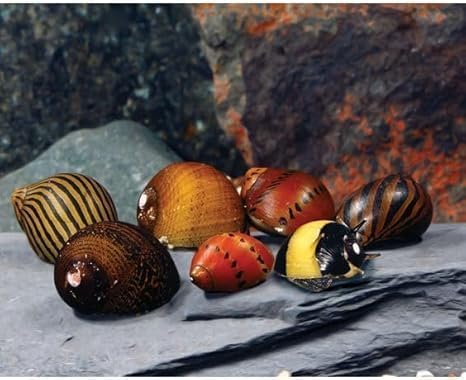
Rating: 4.0 ★ | Price: $$ | Species: Nerite (assorted) | Quantity: 6 (often extras) | Breeding: Does not breed in freshwater
These assorted nerite snails bring a mix of zebra, olive, and other patterns to your tank, and they do a solid job on algae. However, individual snails can arrive quite small, and the colors tend to be darker than shown. If consistent size and vibrant patterns matter more, the dedicated zebra nerite pack is a steadier choice.
Pros
- Mix of shell patterns adds visual variety to the tank.
- Effective at cleaning algae, including black beard algae.
Cons
- Individual snails can arrive very small, which may disappoint those expecting larger specimens.
Best for hobbyists who prioritize shell variety over consistent size and color.
Best for Indoor Tank Cleaner
Japanese Trapdoor 10-Pack

Rating: 4.2 ★ | Price: $$ | Species: Japanese Trapdoor Snail | Quantity: 10 | Breeding: Slow reproduction | Size at Delivery: Very small (1/2 inch or less)
These trapdoor snails arrive as half-inch juveniles, so patience is needed before they become effective algae cleaners. They are hardy and non-breeding, making them suitable for indoor aquariums. The smaller initial size is the key compromise compared to pond versions that start larger.
Pros
- Clears pond and aquarium algae effectively
- Snails arrive alive and healthy
Cons
- For pond owners expecting immediate algae control, the half-inch juveniles need months of growth
Best for indoor aquarists who can wait for snails to grow, not for those needing instant large snails.
Best for Nano Tanks
Horned Nerite 5-Pack

Rating: 4.0 ★ | Price: $$ | Species: Horned Nerite | Quantity: 5 | Breeding: Does not breed in freshwater | Size at Delivery: Small (~3/8 inch)
These horned nerites clean algae and their horns add a unique look. Their tiny size (smaller than a pinky nail) means they are only suitable for nano tanks or collectors who value the horn pattern over size and color.
Pros
- Effectively clean algae from glass and plants in small tanks.
- Unique horned shells add visual interest to nano aquariums.
Cons
- Shell colors may appear drab brown rather than the varied patterns shown in images.
Only buy if you specifically want horned nerite patterns for a small aquarium; general algae control is better served by larger nerites.
Best for Blue Color Seekers
Blue Mystery Snail 3-Pack

Rating: 4.1 ★ | Price: $$ | Species: Mystery Snail | Quantity: 3 | Breeding: Lays egg clutches | Size at Delivery: Variable
Three blue mystery snails add a cool color accent to community tanks. They arrive active and are effective tank cleaners. However, color may be less vibrant than advertised – some appear greyish. Size also varies, with some snails very small. A 10-pack mix offers more variety per snail at a similar price, making this three-pack a more focused choice for those wanting a specific blue tone.
Pros
- Snails arrive active and healthy
- Attractive blue color adds visual interest
Cons
- Color may appear more grey than blue on some snails
This three-pack suits hobbyists specifically wanting blue mystery snails, provided you accept possible color and size variation.
Best for Budget Algae Control
Zebra Nerite 3-Pack

Rating: 4.1 ★ | Price: $ | Species: Zebra Nerite | Quantity: 3 | Breeding: Does not breed in freshwater | Size at Delivery: ~1 inch
These zebra nerites provide effective algae control at the lowest price for this species. Their black-and-yellow striped shells add visual interest, and most arrive alive. However, some snails can die within a week, and females lay hard white eggs on glass and decor that are nearly impossible to remove. This pack suits budget-conscious aquarists who can accept those tradeoffs and do not mind egg spots.
Pros
- Effective algae eaters that clean green algae quickly
- Attractive black-and-yellow striped shells
Cons
- Female snails deposit hard white egg spots on glass and decorations that are difficult to remove
Best for budget buyers who prioritize low cost and can accept egg spots and occasional snail loss.
Best for Ultra-Budget Starter
Golden Mystery Snail 1-Pack
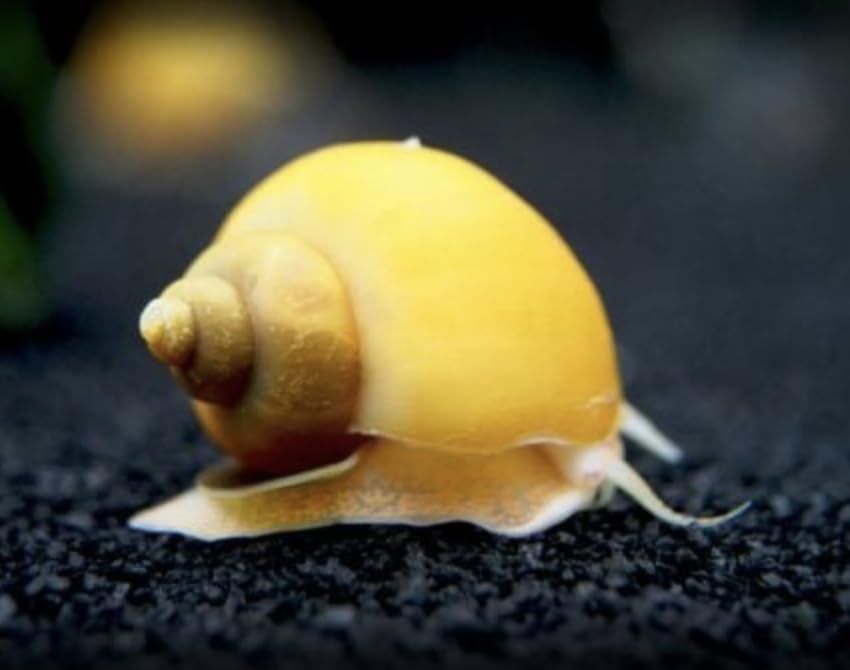
Rating: 4.0 ★ | Price: $ | Species: Mystery Snail | Quantity: 1 | Breeding: Lays egg clutches
This golden mystery snail arrives active and healthy, with a heat pack included for winter shipping. Its low price makes it the cheapest way to add a single algae-eater to a small tank. The tradeoff: you only get one snail, and a three-pack from the same brand costs only slightly more for two extra snails.
Pros
- Snail arrives alive and healthy
- Low price point
Cons
- Only one snail—multi-packs offer more snails for a comparable price
Best for beginners who want to test a single mystery snail without committing to a multi-pack.
How to Choose
The biggest mistake is buying snails without matching their behavior to your tank’s needs.
Species Matters
Each snail species has a distinct role. Nerites are dedicated algae grazers that cannot breed in freshwater — they lay hard white eggs that won’t hatch but are nearly impossible to remove. Assassin snails hunt pest snails but will starve or turn on each other without a steady supply. Mystery snails are colorful scavengers that lay egg clutches above the waterline; their eggs are easy to scrape off. Malaysian trumpet snails burrow and aerate substrate but reproduce rapidly. Trapdoor snails grow large and are hardy for ponds but reproduce slowly.
How Many Snails?
Quantity determines how fast algae disappears and how much waste the tank produces. A dozen nerites can clear a 20-gallon tank within a week, but 10 mystery snails in a 10-gallon tank may overload the bioload. For pest control, 5 assassins can handle a moderate infestation; more snails means faster eradication but also more competition for food once prey runs low.
Start conservatively. A single mystery snail is plenty for a 5-gallon nano tank, while a 50-gallon pond may need 25 trapdoors. Overcrowding leads to hunger, stress, and poor water quality.
Breeding Potential
Breeding behavior determines whether you get a few helpers or hundreds of unwanted snails. Nerite and assassin snails do not reproduce in freshwater — nerites lay sterile eggs that mar decorations, and assassins need brackish water to hatch. Mystery snails lay visible egg clutches above the waterline that you can remove manually, but if missed, they hatch into dozens of babies. Malaysian trumpet snails are livebearers and can quickly overpopulate a tank if overfed.
If you want zero population management, choose nerites or assassins. If you want the option to breed or sell babies, mystery snails are the easiest to control because their eggs are above water. Avoid trumpet snails if you cannot tolerate a self-sustaining colony.
Size at Delivery
Snails often arrive smaller than expected, especially from sellers that ship juveniles to keep prices low. A horned nerite the size of a pinky nail needs months to grow into a useful algae eater. Japanese trapdoor snails at half an inch are too small for pond duty and may get eaten by fish.
Check customer reviews for size complaints. Some packs advertise ‘large’ but deliver dime-sized snails. Buying from sellers with consistent size feedback ensures you get snails that can work immediately.
Survival Guarantees and Packaging
Live arrival rates vary widely by seller. Well-packaged shipments use insulated boxes and heat packs in winter; poor packaging leads to dead snails on arrival. Some sellers offer a live arrival guarantee and will replace DOA snails, but others only refund if more than half die.
Read return policies carefully. A few dollars saved on a budget pack is not worth the risk of losing every snail. Prioritize sellers with a proven track record of healthy arrivals and clear replacement policies.
FAQ
Why do my aquarium snails keep dying after I add them?
Sudden death usually results from improper acclimation or water parameter shock. Float the bag in the tank for 15-20 minutes, then slowly add small amounts of tank water every 10 minutes over an hour. Temperature swings and pH differences are the most common killers. Also check for copper in your tap water — many snail species are extremely sensitive to copper.
Will mystery snail eggs hatch in my freshwater tank?
Yes, mystery snail eggs will hatch in freshwater if they are laid above the waterline and kept humid. The eggs look like pinkish grape clusters and take 2-4 weeks to hatch. You can easily scrape them off if you don’t want babies. Unlike nerite eggs, mystery snail eggs are soft and removable.
Can assassin snails kill my fish or shrimp?
Assassin snails target only other snails. They lack the speed and radula to harm healthy fish or shrimp. However, they may scavenge dead fish or weak shrimp that are already dying. They are completely safe for planted tanks and community setups.
How many snails do I need for a 20-gallon tank?
For general algae control, 6-8 nerite snails or 3-4 mystery snails are sufficient. For pest snail infestations, 3-5 assassin snails will clear the tank in a few weeks. Avoid adding too many at once — each snail produces waste, and a sudden bioload spike can crash your cycle.