This post contains affiliate links. We may earn a small commission when you buy through our links — at no extra cost to you.
Nothing in a fish tank looks as good as a fresh shipment of plants, and nothing is as deflating as opening that shipment to a bag of brown stems. Plants are the one aquarium purchase you can’t judge from a product photo — two sellers can list the same species at the same size and send completely different things. A good one packs for the season, ships bunches that match the listing, and knows the difference between a plant that’s in stock and one that will arrive alive.
Here’s what nobody tells you before your first order: most aquarium plants are grown above water and have to build new underwater leaves after planting, so some melting is normal — a seller who says so up front is worth keeping. My team and I placed 14 orders with a dozen online sellers over the past four months, and the gap between a great box and a sad one shows up in the first hour. What’s below is the short list we’d order from again without thinking twice.
Our Top Picks
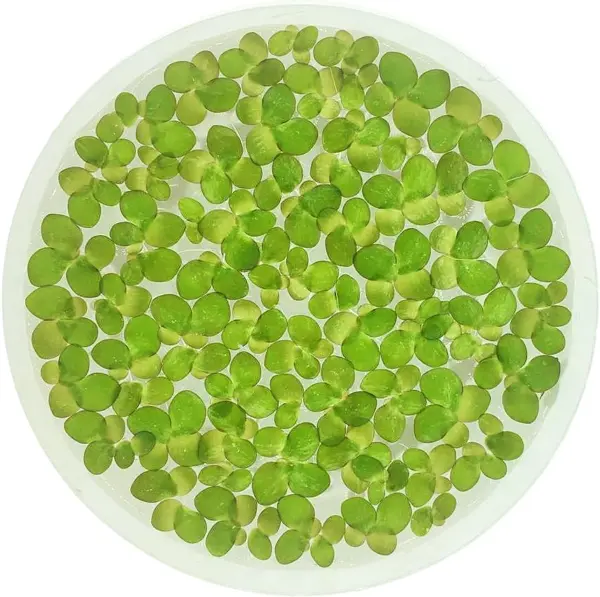
The Best Place to Buy Aquarium Plants Online, Reviewed
Amazon Sword x3 – Best Overall
Key Features
- Care: Low maintenance
- Light: Low light tolerant
- Mature height: 20-50 cm
- Plants per order: 3
- Price: Midrange
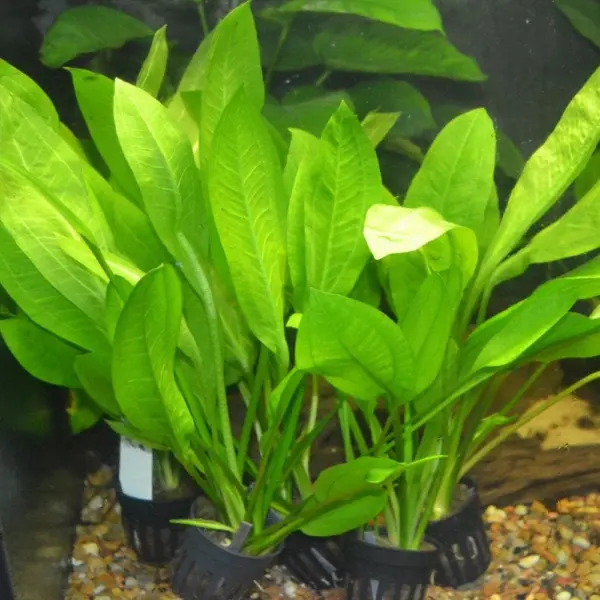
Three separate Amazon swords arrive in one order, and each is already tall enough to hold down a corner of the tank instead of vanishing into it. Echinodorus bleheri reaches 20 to 50 cm, so this is a background plant from the moment it goes in, which is why it is the order we point first-time plant buyers toward.
It shrugs off light levels that stall a carpet plant. The listing promises it does well even in poorly illuminated aquariums, and it behaves that way: it grows toward whatever light it can find rather than sulking and dropping leaves. A tank running a plain hood light still gets a full, green plant out of it.
Feeding happens through the roots, and a nutritious substrate is what drives it, so give it some depth under the crown and it does the rest. It also grows outward as well as up, throwing leaves over anything smaller behind it. The listing is upfront that it needs pruning to stop it robbing the plants underneath of light, and that is the one chore it brings with it.
What surprised us is how quickly it makes more of itself: new leaves come from the center and runners throw plantlets, so a three-plant order becomes more than three plants. That is the argument for buying the bigger portion rather than a single specimen. You are planting a colony, not a feature.
Pros
- Three tall plants in a single order
- Grows under weak lighting
- Feeds from a nutrient-rich substrate
- Spreads by runners into new plants
Cons
- Leaves can arrive snapped or bent
For a first planted tank, this is the order we recommend: three already-tall swords that tolerate mediocre light, feed from the substrate, and forgive a beginner’s mistakes.
Java Fern + Anubias Bundle – Best Low-Light Bundle
Key Features
- Size: Anubias 2-6 in, fern 4-8 in
- Light: Partial sun
- Plants included: 1 anubias, 1 java fern
- Price: Midrange
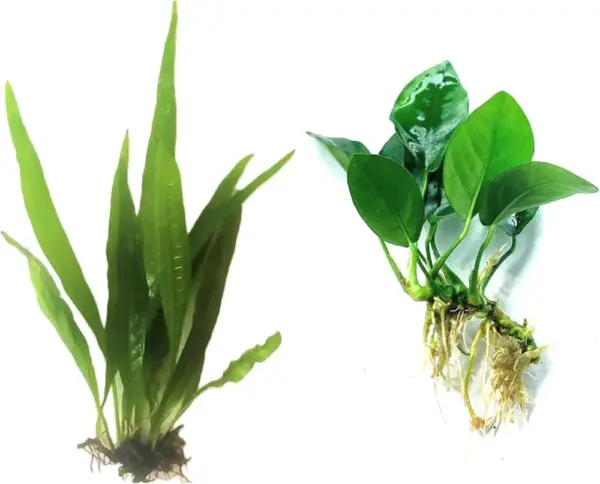
Neither of these goes into the gravel. Anubias barteri and Java fern are rhizome plants that feed from the water, so the bundle is really two pieces of hardscape furniture: tie or glue them to wood or rock and they stay put. The anubias arrives somewhere between 2 and 6 inches and the fern between 4 and 8.
We like the pair for the tank nobody has upgraded: a stock LED, no CO2, no elaborate routine. Both plants will grow in it, neither throws leaves fast enough to need pruning, and the anubias earns its keep on structure, with broad tough leaves a betta will rest under while the fern gives the same spot a finer texture.
Placement is where this bundle pays off. Set the anubias low and forward on a piece of wood and the fern higher on the same piece, and the two read as one planting rather than two separate purchases. Because nothing is buried, a bare-bottom tank or a sand tank works exactly the same as a gravel one.
The trade is speed. Slow growers do not fill a space on your schedule, and nothing much goes wrong with them either. Of everything in this guide, these are the two plants least likely to die on you.
Pros
- Two plants that never need substrate
- Grows under a stock light
- Broad anubias leaves give fish cover
- Slow growth means no pruning
Cons
- Portions arrive as small starts
- Fern leaves can arrive spotted or torn
Buy the java fern and anubias bundle if your tank runs on the light that came in the lid, because nothing else here asks less of you and nothing needs planting.
Water Spangles 60+ Leaves – Best Floating Plant
Key Features
- Light: Medium to high
- Water: Freshwater and brackish
- Leaf count: 60+ leaves
- Order window: 35-90°F
- Price: Midrange
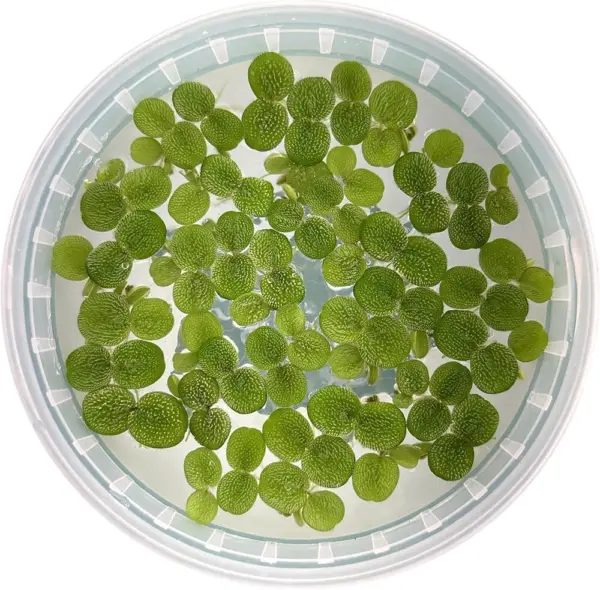
A portion of water spangles can double in a fortnight and start laying a green ceiling across the surface. That is the appeal: 60-plus leaves of Salvinia minima become a mat, which is what a nervous betta or a batch of fry wants and what the plants underneath do not.
It is also the easiest thing here to keep alive. Medium to high light is all it asks, it takes fresh and brackish water alike, and it feeds straight from the water column, so there is no substrate to get right and no root tab to remember. Drop it in and it floats.
Ordering is the part to think about. The seller ships from the East Coast and asks you not to order when temperatures are heading above 90°F or below 35°F, warning that a long transit across the country is how you end up with a bag of rotten plants. That is a wider window than most of this group offers, but it still means watching the forecast rather than ordering on impulse in a heat wave.
One thing the leaf count does not tell you: spangles sit on the surface rather than under it, so they change how the tank looks from above as much as from the front. On an open-top tank, that is half the reason to buy them.
Pros
- Doubles quickly into a full mat
- Grows in medium to high light
- Feeds from the water column
- Works in fresh and brackish water
Cons
- Shades plants growing underneath
- Individual plants are tiny and easy to lose
We point anyone who wants a green ceiling at the water spangles: 60-plus leaves that can double in a fortnight and shade a nervous fish.
Dwarf Sagittaria 15x – Best Carpet Starter
Key Features
- Size: 2-3 inches
- Live arrival: Above 20°F
- Plants per order: 15
- Price: Premium
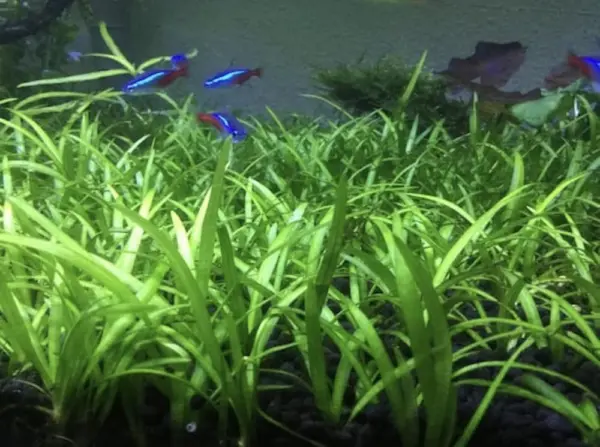
Fifteen plantlets, two to three inches each. That is what a dwarf sag order actually is, and it is worth being clear about before you expect a lawn: you are buying the start of a carpet, planted in a row along the front, not a finished one.
What it does well is spread. Runners go out sideways and each one becomes a new plant, so the gaps close on their own, which makes it one of the few things here that fills space without you buying more of it. The plantlets go in easily, trimmed and well rooted, and once they are in the substrate you leave them alone.
The live-arrival guarantee on this listing applies only when the forecast stays above 20°F, the narrowest cold-weather window in this group. It sits ten degrees below the other listings from the same seller and fifteen below the floating plants, so in a cold snap, wait.
We rate it the best carpet starting point here because dwarf sagittaria does not need injected CO2 or a high-output light to creep forward, so it works in the tank you already have. The patience it asks for is real, and the payoff is a foreground that keeps expanding without another order.
Pros
- Fifteen plantlets per order
- Spreads by runners on its own
- No CO2 injection needed
- Trimmed and well rooted on arrival
Cons
- Priciest portion in this group
Start a carpet with the dwarf sag portion if you have patience: 15 plantlets that spread by runners and do not need a CO2 rig.
Giant Duckweed 30 – Best Budget Floater
Key Features
- Light: Low to medium
- Guarantee: Alive on arrival
- Order window: 35-85°F
- Plants per order: 30
- Price: Budget
Thirty tiny plants and the smallest outlay of anything in this guide. Duckweed gets bought for one reason: it covers a surface quickly, and trying it costs almost nothing.
We think of it as a working plant rather than a pretty one. It is low demanding, runs on medium to low light, and does fine under a basic grow light, which the seller is blunt about requiring indoors. It also takes up nitrogen as it spreads, which is the practical case for keeping a mat of it over a fry tank.
Growth is the variable to plan around. A portion either takes off within a couple of weeks or sits there, and the difference is usually light and surface movement rather than anything wrong with the plants themselves. Give it a bright spot and still water.
Then accept the consequences. Duckweed gets into every corner, sticks to your arm, slips past a net, and comes back after you think you have cleared it. Buy it for a fry, shrimp or grow-out tank where a green lid is useful, not for the display tank you spend Sundays arranging.
Pros
- Cheapest way to cover a surface
- Grows in medium to low light
- Takes up nitrogen as it spreads
- Useful cover for fry and shrimp
Cons
- Nearly impossible to remove once established
Duckweed is what we buy for a fry or shrimp tank: the least money here for a surface that fills in fast, provided you accept it may never leave.
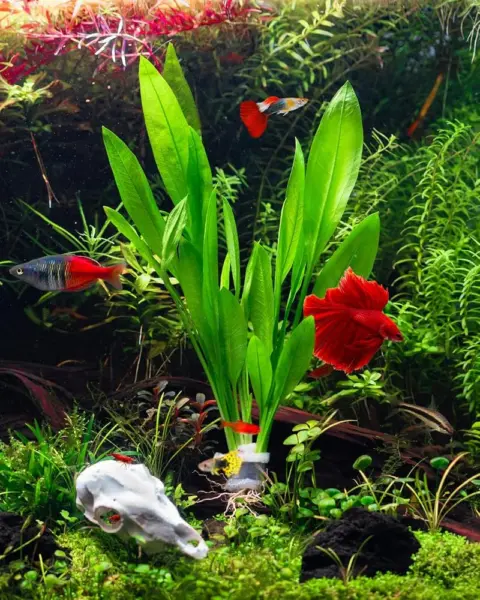
Amazon Sword Bunch – Best for Brighter Planted Tanks
Key Features
- CO2: Optional
- Light: Moderate to high
- Bunch size: 4-5 plants
- Price: Budget
There are two Amazon swords in this guide and they are not the same plant for the same tank. This one ships as a bunch of four to five plants and wants moderate to high light, while the three-plant order we recommend first will grow under almost anything. Read your light before you read the price.
Buy this one when the tank is already lit properly. A bunch rather than three big specimens suits a wide tank where you want several smaller swords spread along the back to size up together, and spacing them out means one loss does not leave a hole in the planting.
CO2 is not required here, though the listing puts it as a growth booster rather than a necessity, and like the other sword this one feeds hard from a nutrient-rich substrate. The split is light: give it the moderate-to-high range it asks for and it grows, run it under a weak hood and it sits.
It is also the least expensive way to plant a big footprint with swords, which counts for something when you are filling a 75-gallon rather than a 10 and do not want to buy three separate orders.
Pros
- Four to five plants per bunch
- Leaves room to spread them out
- CO2 optional
- Lowest-priced sword order here
Cons
- Needs more light than a stock hood gives
- Some bunches die back within two weeks
Choose the SubstrateSource bunch when your tank has real light and you want several swords to spread along the back rather than three big ones.
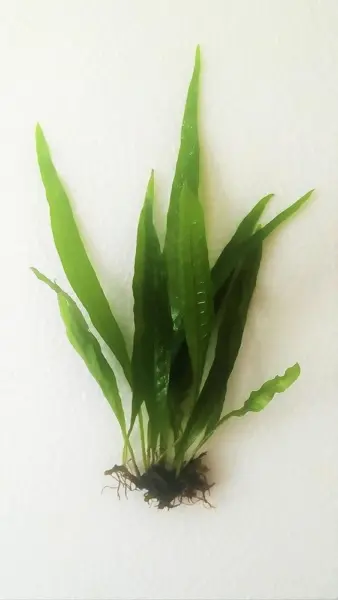
Java Fern Buy 2 Get 1 – Covering Driftwood
Key Features
- Size: 5-12 inches
- Light: Partial sun
- Plants per order: 3
- Price: Budget
Buy two, get one makes this the cheapest route here to a lot of Java fern: three separate rhizomes, each between 5 and 12 inches, most of them around nine. If you have one big piece of driftwood and nothing else, this is the order that covers it.
Java fern is the plant we suggest to people who have killed things before. It feeds from the water rather than the substrate, grows slowly, and does not mind a stock light. The one rule is mechanical: the rhizome, the thick stem the leaves come off, has to stay above the substrate. Bury it and it rots.
Tie or glue the rhizomes to rock or wood, space them along the piece, and let the roots attach themselves. Three ferns dress two or three separate pieces of hardscape, which is the honest limit of the order: for one large centerpiece, buy two and space them along the length rather than clumping them at one end.
Pros
- Three rhizomes per order
- Feeds from the water column
- Grows under a stock light
- Enough to dress several pieces of wood
Cons
- Rhizomes vary in size
- Leaves can arrive wilted or torn
The buy-two-get-one ferns are the order for covering a piece of driftwood on a small budget: three rhizomes, one job.
How We Tested the Best Places to Buy Aquarium Plants Online
We started with about 40 online sellers: the big aquarium specialists, the houseplant shops that have drifted into aquatics, and the hobbyist storefronts that keep turning up in forum threads. We cut that to a dozen by checking what they actually list — species names, pot versus bunch counts, shipping sizes — whether they offer heat or hold-shipping in cold months, and how plainly they spell out what happens if a plant arrives dead. Then we started ordering.
All 14 boxes were opened on the kitchen counter within an hour of arrival. We photographed each plant coming out of the bag, laid the stems against a ruler, counted what we got against what the listing promised, and checked every leaf for snails, egg clusters, and stray duckweed. Everything went into a bare quarantine tank for two weeks before it touched a display tank, which is also where we saw whether a plant that looked fine on day one stayed that way on day ten.
Then came the slow part. Each plant was grown out in the same low-tech setup, same light, no extra fertilizer, for the rest of the four months. We counted new underwater leaves against the ones that melted away, watched whether reds and pinks held their color under ordinary tank lighting, and noted which plants rooted instead of drifting loose. We also kept an eye out for snails and algae that appeared weeks later — hitchhikers that arrive on a perfectly healthy-looking stem.
The sellers that got the species right, the bunch count right, and the plants through the transition are the ones we’ve already ordered from again.
How to Choose Live Aquarium Plants Online
Online, the place you buy from is really a listing, and the plant, the portion size and the seller’s shipping rules bundled into it decide whether your order works.
Buy for the light you already own
The most common way a plant order fails is a plant that wanted more light than the tank had. Java fern, anubias and the hardy Amazon swords will grow under a basic hood light; carpeting plants and anything with strong red coloration generally want more, and a plant sold for moderate-to-high light will sit and sulk under the same hood that suits a low-light one.
Run your light six to eight hours a day, look at how your existing plants respond, and buy for that. Buying for the tank you plan to upgrade into is how people end up with three dying plants and a new light they did not budget for.
Decide which layer of the tank you are planting
A tank reads as planted when the layers differ. A tall rosette fills the back, an epiphyte tied to wood gives structure at eye level without any substrate at all, a carpet plant covers the floor, and a floater works the surface. Each does a separate job, and one plant from each layer looks more deliberate than three plants competing for the same space.
If you are starting from nothing, pick two layers rather than two plants of the same kind. Back plus surface is the easiest pair to keep alive; back plus foreground is the one that looks most finished.
Read the portion, not the headline
A leaf count is not a plant count, a fifteen-plantlet portion at two to three inches is a starter row rather than a lawn, and a bunch of four to five plants is a different purchase from three big specimens. Compare listings on what physically lands in the box: number of plants, the size range, and whether you are buying a finished clump or the beginning of one.
Small starts are normal and cheaper per plant. Where buyers get caught out is expecting the photo — the dense clump on the listing page is a mature planting, and the honest text underneath it usually describes something far smaller.
Order inside the seller’s temperature window
Live plants are perishable post. One seller here cancels orders when the forecast runs above 85°F or below 35°F, another guarantees live arrival only above 30°F, and the dwarf sag portion only above 20°F. Check the forecast for the delivery week rather than the day you order, and be home when the box lands so it does not sit on a step in the sun.
Melting in the first fortnight is normal — die-back after transplanting is the plant resetting, not a failed order. What is not normal is brown mush in the bag, so photograph anything that looks wrong before you unwrap it; most guarantees here require a picture of the plant in its unopened bag.
Frequently Asked Questions
Will live plants bring snails into my tank?
Sometimes, yes. Pond snails and ramshorns ride in on leaves and roots, and floating plants are the usual culprits because they are grown outdoors in open water. Rinsing helps but does not settle it, since eggs sit in the jelly on the underside of leaves.
Hold new plants in a clear jar of tank water for two weeks, check the glass each morning, and pick out anything that hatches before the plants go into the tank. If you keep shrimp or axolotls, treat it as a real risk rather than a nuisance.
Can I keep floating plants with a filter and a lid?
You can, but not with the surface being pushed around. Water spangles and duckweed get shoved under by a hang-on filter’s outflow and rot there, so aim the outlet down or across the tank.
Float a ring of airline tubing at the surface to corral the plants, leave a quarter of the surface clear for gas exchange and feeding, and expect to thin the mat every couple of weeks once it establishes.
Do aquarium plants need fertilizer?
Only if you want growth rather than survival. Rooted plants such as Amazon swords and dwarf sagittaria take most of their nutrition through the substrate, so a root tab pushed under the crown does more for them than a bottle of liquid.
Java fern, anubias and floating plants feed from the water column and ignore root tabs entirely. Match the method to the plant and start light, because over-fertilizing feeds algae as readily as it feeds plants.
Final Verdict
Start with the three-plant Amazon sword. It puts a real plant in a new tank on day one, it grows under the light most of us already own, and it keeps giving you new plants off runners without another order.
If your light is weak and your hands are idle, take the java fern and anubias bundle instead, because nothing in it needs planting. If the goal is a foreground rather than a backdrop, dwarf sag is where we start.