This post contains affiliate links. We may earn a small commission when you buy through our links — at no extra cost to you.
Adding live plants to a koi pond sounds straightforward—until your water lilies refuse to bloom or floating plants double in size every week, turning your pond into a green mat. Many first-timers end up with dead leaves, snail hitchhikers, or a surface they didn’t anticipate.
The trick is choosing plants that match your pond’s climate, your koi’s appetite, and your tolerance for maintenance. A winter-hardy lily gives years of beauty, while fast-growing hyacinths need warm conditions and annual replacement. Floating duckweed offers cheap cover but can become invasive if not eaten.
This guide cuts through the confusion, highlighting plants that actually survive around koi and deliver on their promises—whether you need shade, water filtration, or a quick fix for algae. Each option has clear trade-offs, so you know exactly what you’re getting before you order.
Top Picks
Best for Elegant Lily
Chalily Virginalis Water Lily
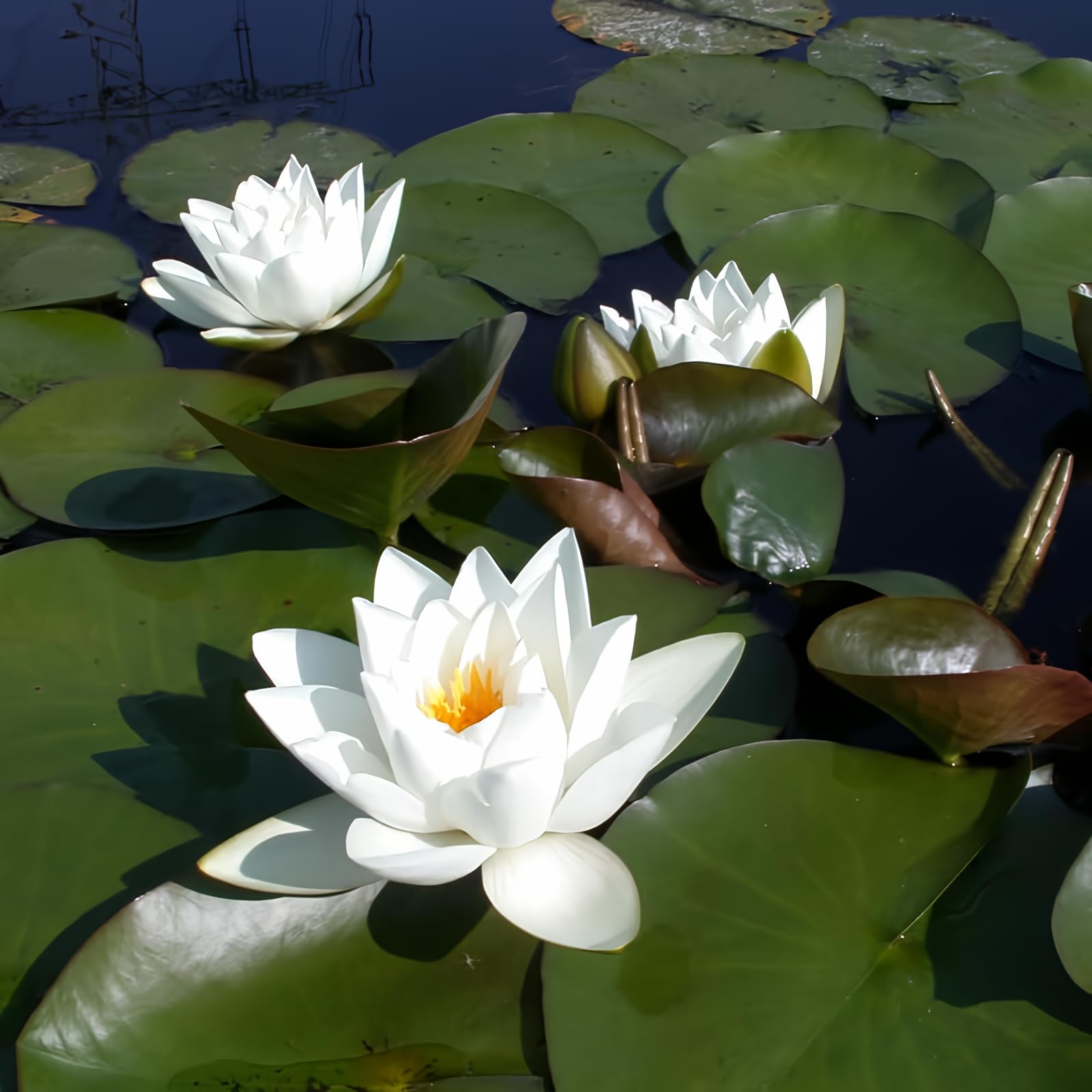
Rating: 4.3 ★ | Price: $$ | Plant Type: Winter-hardy water lily | Hardiness: Zone 3+ | Growth Speed: Moderate, blooms in weeks | Pest Resistance: Few reports | Arrival Quality: Large roots, healthy
The Chalily Virginalis arrives as a bare root with a substantial root system that establishes quickly. Once settled, it produces snowy-white double blooms throughout the growing season, returning year after year in ponds down to zone 3. The plant’s cold tolerance makes it a practical choice for northern climates where many lilies fail to overwinter.
This lily suits koi pond owners in zones 3–8 who want a low-maintenance flowering plant that survives winter without fuss. First blooms may take several weeks after planting, and in some cases a plant may not flower at all — a possible effect of local light or soil conditions rather than a defect in the root stock.
Pros
- Arrives with a strong, healthy root system that establishes quickly in the pond.
- Produces attractive white double blooms from spring to fall.
- Survives cold winters down to zone 3 and comes with clear planting instructions.
Cons
- In some cases, the plant may take weeks to produce its first flower or may never bloom, likely due to local growing conditions.
For koi pond owners in colder climates who want a classic, long-lived water lily with dependable blooms, this is a cost-effective choice that keeps coming back.
Best for Shade & Filtration
Chalily Water Hyacinth

Rating: 4.3 ★ | Price: $$ | Plant Type: Floating water hyacinth | Hardiness: Zone 9+ | Growth Speed: Fast, covers rapidly | Pest Resistance: None reported | Arrival Quality: Large, healthy
Where winter-hardy water lilies return year after year, this hyacinth delivers rapid surface coverage in a single season. Plants arrive robust and quickly multiply, cooling the water and pulling excess nutrients that fuel algae. The lilac blooms add a seasonal accent, but the main draw is the immediate, low-effort boost to water quality.
This plant suits pond owners in mild regions who prioritize fast shade and natural filtration over long-term perennial structure. It cannot ship to many states including AL, CA, FL, and TX, and in zones below 9 it will not survive winter—treat it as an annual replacement each spring.
Pros
- Arrives exceptionally healthy and large, establishing quickly
- Spreads rapidly to shade the pond and filter excess nutrients
- Mid-range price reflects robust starter plants that clean water effectively
Cons
- Cannot be shipped to AL, CA, CO, FL, LA, MS, PR, SC, TX, WI due to invasiveness regulations
- Not winter-hardy below USDA zone 9; in colder areas, plants die with frost and need annual replacement
For a warm-weather pond that needs quick surface cover and natural nitrate control, this hyacinth delivers vigorous growth right out of the box—just check your state’s restrictions and plan on replanting if your winters dip below zone 9.
Best for Oxygen & Nitrate
CANTON Hornwort
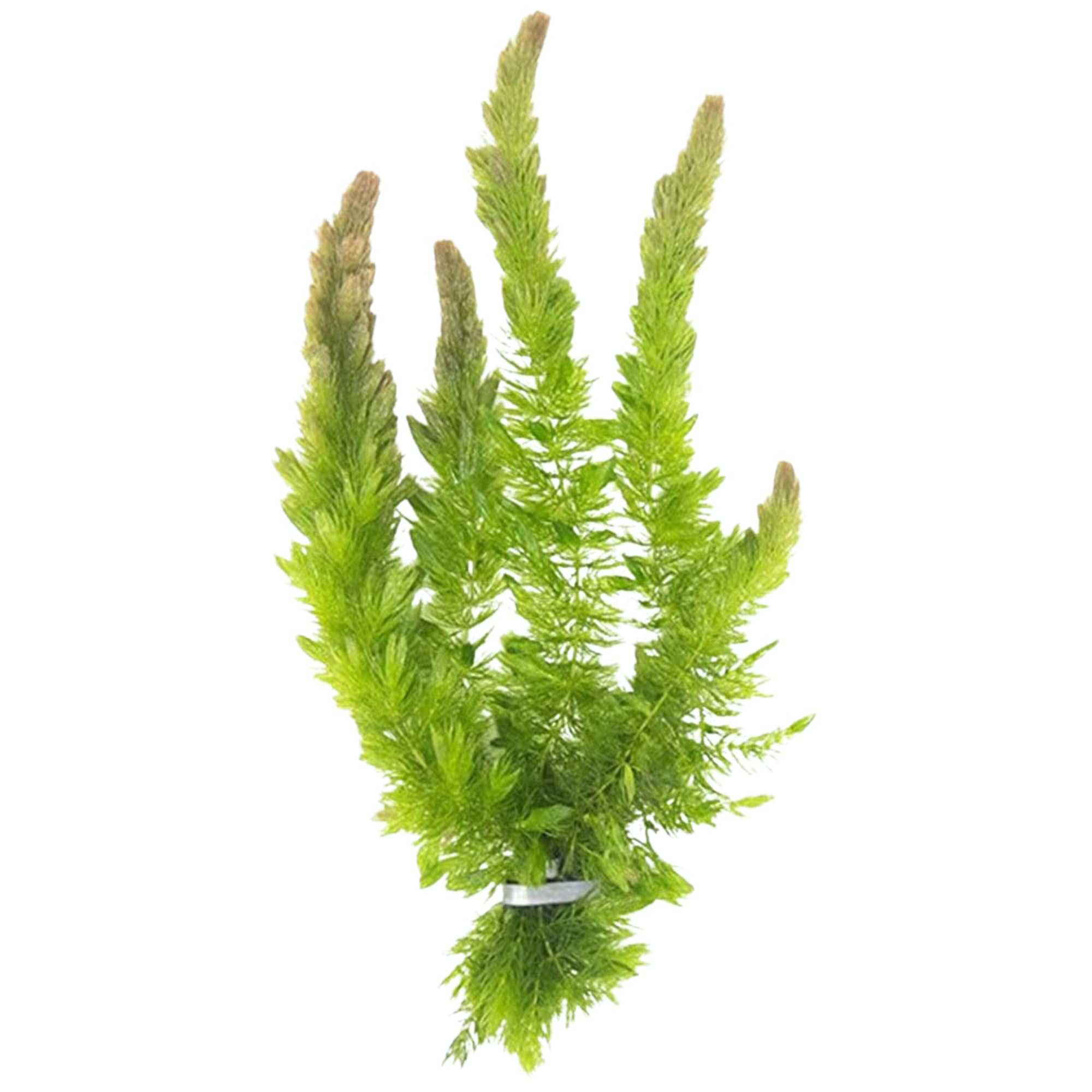
Rating: 4.3 ★ | Price: $ | Plant Type: Submerged oxygenator | Hardiness: Hardy (wide range) | Growth Speed: Fast, spreads quickly | Pest Resistance: Occasional brown | Arrival Quality: Healthy, some brown
Hornwort delivers the strongest water quality benefits among koi pond plants at this price, effectively removing nitrates and improving oxygen levels while offering dense cover for baby fish. As a submerged oxygenator, it works as a floater or rooted plant, but it won’t provide the surface shade that water lilies do. Some plants may arrive with brown tips, and the fine needles can shed and create debris over time. This plant suits pond keepers who prioritize water clarity and fry protection over a tidy, debris-free pond surface.
Pros
- Removes excess nitrates and boosts oxygen levels efficiently
- Hardy enough to survive shipping stress and adapt to varied water conditions
- Provides dense cover for fry and small fish
Cons
- Some plants may arrive with brown tips or broken segments
- In a pond, the fine needles can shed and create debris that requires occasional cleanup
A practical, low-cost oxygenator for koi pond owners who value water quality and fry habitat more than a pristine surface appearance.
Best for Cover & Food
APC Giant Duckweed

Rating: 4.3 ★ | Price: $ | Plant Type: Floating duckweed | Hardiness: Hardy (zone 3+) | Growth Speed: Very fast, multiplies | Pest Resistance: Pest hitchhikers | Arrival Quality: Healthy, some pest
This giant duckweed spreads quickly on the water surface, offering shade and absorbing excess nitrates while serving as a natural food source for koi. Some shipments may include snail or worm hitchhikers, so a brief quarantine before adding to the pond is advisable. It is best suited for koi and goldfish ponds where grazing keeps growth in check, or for aquaponics systems.
Pros
- Healthy, vibrant green plants on arrival.
- Attractive lush surface cover that koi enjoy eating.
- Rapid multiplication for effective nitrate removal.
Cons
- Possible snail or worm hitchhikers in some batches — worth quarantining before use.
- Growth can slow or stall without clear cause, which may limit coverage expectations.
A budget-friendly floating plant for koi ponds, best with a simple quarantine step to manage the occasional pest issue.
Best for Nutrient Removal
South Shore Duckweed 1200

Rating: 4.1 ★ | Price: $$ | Plant Type: Floating duckweed | Hardiness: Hardy (zone 3+) | Growth Speed: Very fast, multiplies | Pest Resistance: Pests reported | Arrival Quality: Good health, variable quantity
This 1200-plant pack delivers aggressive nitrate removal through fast-growing duckweed, ideal for ponds with high nutrient loads. Snails or worms can arrive with the plants — best for buyers who can quarantine before introducing to the pond.
Pros
- Plants arrive healthy and begin multiplying within days.
- Rapid expansion provides quick coverage for nutrient-heavy ponds.
Cons
- Actual plant count can be lower than the stated 1200, though fast growth reduces the practical impact.
A practical bulk option for pond owners who prioritize aggressive nitrate removal over guaranteed plant counts.
Best for Budget Cover
AquaLeaf Float Bundle

Rating: 4.0 ★ | Price: $ | Plant Type: Water lettuce + hyacinth | Hardiness: Zone 9+ (annual) | Growth Speed: Fast (if established) | Pest Resistance: Variable | Arrival Quality: Small, often unhealthy
Water lettuce and water hyacinth work as natural filters, shade the pond surface, and multiply quickly in warm conditions. This budget-friendly bundle offers that combination at a low price, but inconsistent quality makes it a gamble — better suited for patient hobbyists willing to nurture small plants than for those expecting instant cover.
Pros
- Fast growth helps control algae and keep water clear.
- Natural appearance transforms pond surface.
Cons
- Plants may arrive smaller than advertised and in poor health, needing careful acclimation.
Best for patient pond owners who want low-cost starter plants and can wait for them to flourish.
Best for Reliable Duckweed
Aquarigram Giant Duckweed

Rating: 4.1 ★ | Price: $ | Plant Type: Floating duckweed | Hardiness: Hardy (zone 3+) | Growth Speed: Very fast | Pest Resistance: Occasional pests | Arrival Quality: Healthy, sometimes skimpy
Healthy giant duckweed that arrives with a live-arrival guarantee and a free mystery plant. It grows quickly and suits small ponds or aquariums. Some batches contain fewer plants than advertised, and snail or worm hitchhikers may appear – making it a decent option if quantity variation is acceptable, but not the most consistent choice for precise coverage.
Pros
- Healthy, vibrant plants with strong color
- Fast growing and easy to maintain
Cons
- Some batches arrive with fewer plants than advertised
- Occasional pest hitchhikers (snails, worms) may appear
Best suited for hobbyists who prioritize a live-arrival guarantee and a mystery bonus over precise quantity, and are comfortable inspecting new plants for hitchhikers.
Best for Budget Duckweed
Generic Giant Duckweed
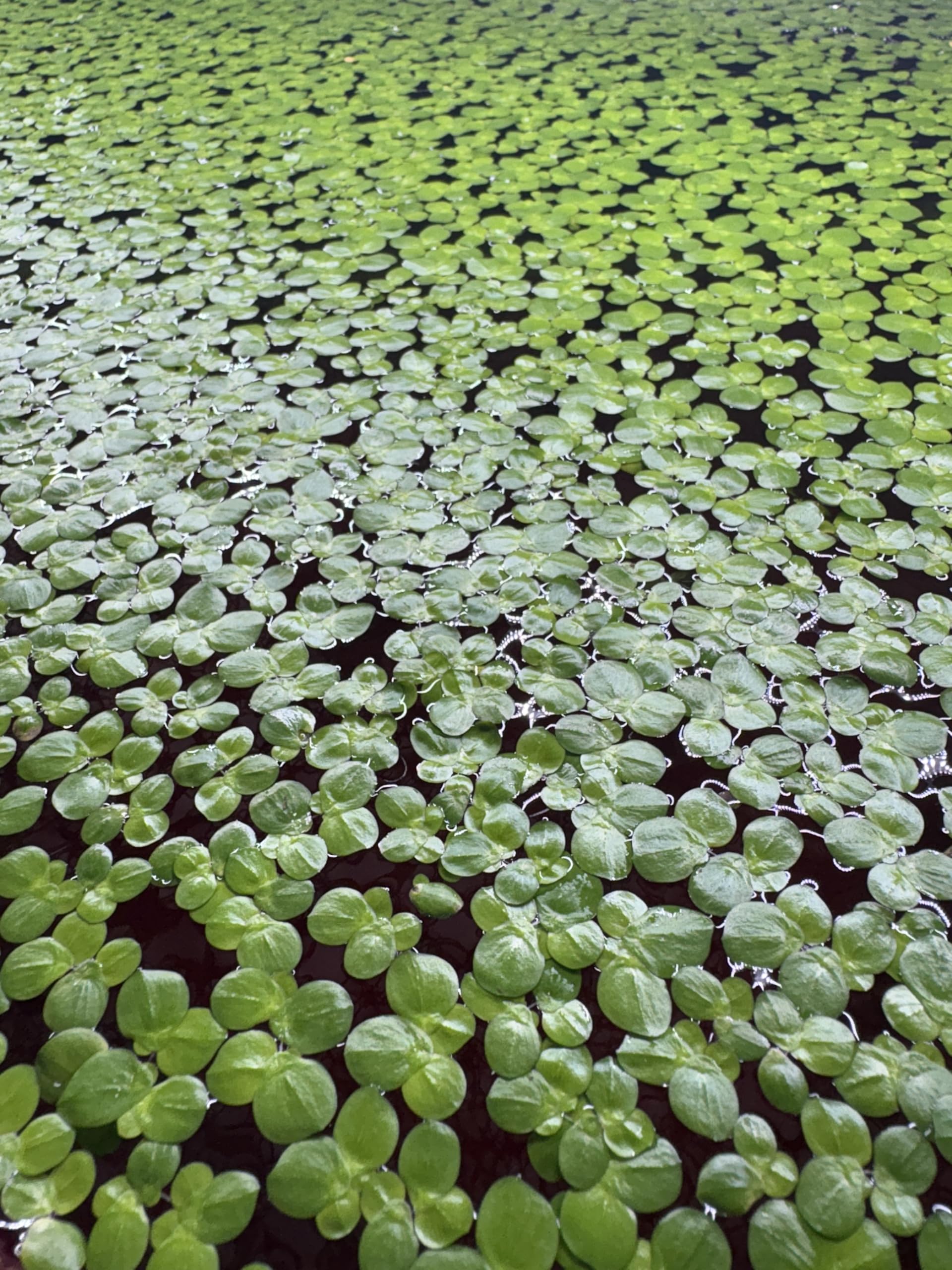
Rating: 4.2 ★ | Price: $ | Plant Type: Floating duckweed | Hardiness: Hardy (zone 3+) | Growth Speed: Very fast | Pest Resistance: Limited data | Arrival Quality: Healthy (few reviews)
These 60+ giant duckweed plants arrive healthy and grow well initially, making them a cheap way to add floating cover for a koi pond. However, the seller’s limited track record means long-term consistency across seasons is not yet established — suitable for buyers willing to take a chance on a less-reviewed source.
Pros
- Healthy plants on arrival with vigorous early growth.
- Budget-friendly price for a large quantity of floating plants.
Cons
- Long-term growth consistency across seasons is not yet established.
Worth trying if you need cheap duckweed and are comfortable with a seller that has yet to prove its reliability over multiple seasons.
How to Choose
The single most important insight: choose plants that match your USDA zone and your koi’s appetite, not just the picture on the listing.
Plant Type: Rooted vs. Floating vs. Oxygenator
Rooted lilies anchor in pots and offer long-term structure but take weeks to establish. Floating plants like hyacinth and duckweed provide instant cover and shade but can overrun a small pond within days. Oxygenators such as hornwort live underwater, pumping oxygen and absorbing nitrates without taking up surface space.
Your choice depends on whether you want seasonal blooms, immediate algae control, or a balanced ecosystem. Mixing types often works best: a few rooted lilies for beauty, a floating plant for shade, and an oxygenator for water quality.
Winter Hardiness / USDA Zone
Winter-hardy plants like water lilies (zone 3+) survive ice and snow, returning each spring. Tropical floating plants like water hyacinth die below 50°F and must be replaced annually in cold climates. Ignoring zone requirements leads to dead plants every winter.
If you live north of zone 9, stick with hardy lilies and duckweed that can freeze and bounce back. For warm-climate ponds, tropical floating plants thrive year-round and require no replanting.
Growth Speed and Coverage
Floating plants multiply exponentially—a single water hyacinth can become 20 within a month. This fast coverage shades the pond and reduces algae, but it also demands regular thinning to prevent oxygen depletion at night. Duckweed can double in days and may need weekly scooping.
Rooted lilies grow slower, so they give you more control. If you want a low-maintenance pond, avoid aggressive floaters unless you have hungry koi that keep them in check.
Pest and Disease Resistance
Live plants often carry hitchhikers—snails, worms, or aphids—despite seller guarantees. Duckweed from bulk sellers is especially prone to pests. Quarantining new plants in a bucket of pond water for a week lets you spot and remove unwanted guests before they reach your pond.
Water lilies and hornwort rarely bring pests, making them safer choices for fuss-free planting.
Size and Health on Arrival
Shipping stress can leave plants wilted, brown, or half-dead. The most reliable sellers use insulated packaging and offer live-arrival guarantees. A strong root system on a lily or firm green leaves on a floater indicate good health.
Order during mild weather (50–80°F) and open the package immediately. Trim dead leaves and float the plant in pond water for a day before planting—this improves recovery.
FAQ
How long does it take for a water lily to bloom after planting in a koi pond?
Most winter-hardy lilies like the Chalily Virginalis produce their first flowers within 4 to 6 weeks after planting if given full sun and warm water. A small number may take a few months or skip the first year entirely, often due to shallow water depth or insufficient light. If conditions are right and the plant has a strong root system, you should see blooms by mid-summer.
Will my koi eat water hyacinth or water lettuce?
Koi will nibble the soft roots of water hyacinth and water lettuce but rarely consume the whole plant. The roots are actually a welcome snack that helps keep growth in check. However, very hungry koi or large populations can shred the leaves, so provide plenty of other food and consider a larger quantity of plants to survive the grazing.
Can I keep hornwort alive in a koi pond during winter?
Yes, hornwort is cold-hardy and can survive under ice as long as the pond doesn’t freeze solid. It will drop its needles and go dormant, but regrows from the surviving stems in spring. In severe winters, bring a few stems into an indoor bucket of pond water to restart the colony next season.
Why do my floating pond plants keep turning yellow and dying?
Yellowing leaves often signal nutrient deficiency (especially iron) or extreme temperature stress. Floating plants are heavy feeders—add a liquid pond plant fertilizer every two weeks during the growing season. Also, water above 85°F or below 50°F can kill them. Keep the pond shaded during heat waves and avoid ordering plants in extreme weather.