This post contains affiliate links. We may earn a small commission when you buy through our links — at no extra cost to you.
Ordering high-light aquarium plants online often ends in disappointment: plants arrive dead or melt within days. Temperature stress during shipping is the leading cause, not your tank conditions.
Many plants sold as ‘easy care’ don’t specify that their color or growth depend on exact light intensity. This guide cuts through the marketing to help you pick plants that actually deliver on their promises whether you want rapid coverage or vibrant reds.
The real trade-off is between reliability and visual impact. Some plants require more patience and accept shipping losses, while others are nearly bulletproof. Knowing which ones handle transit stress is just as important as matching light requirements.
Top Picks
Best for Low-Maintenance Floater
Water Spangles (60+ Leaves)
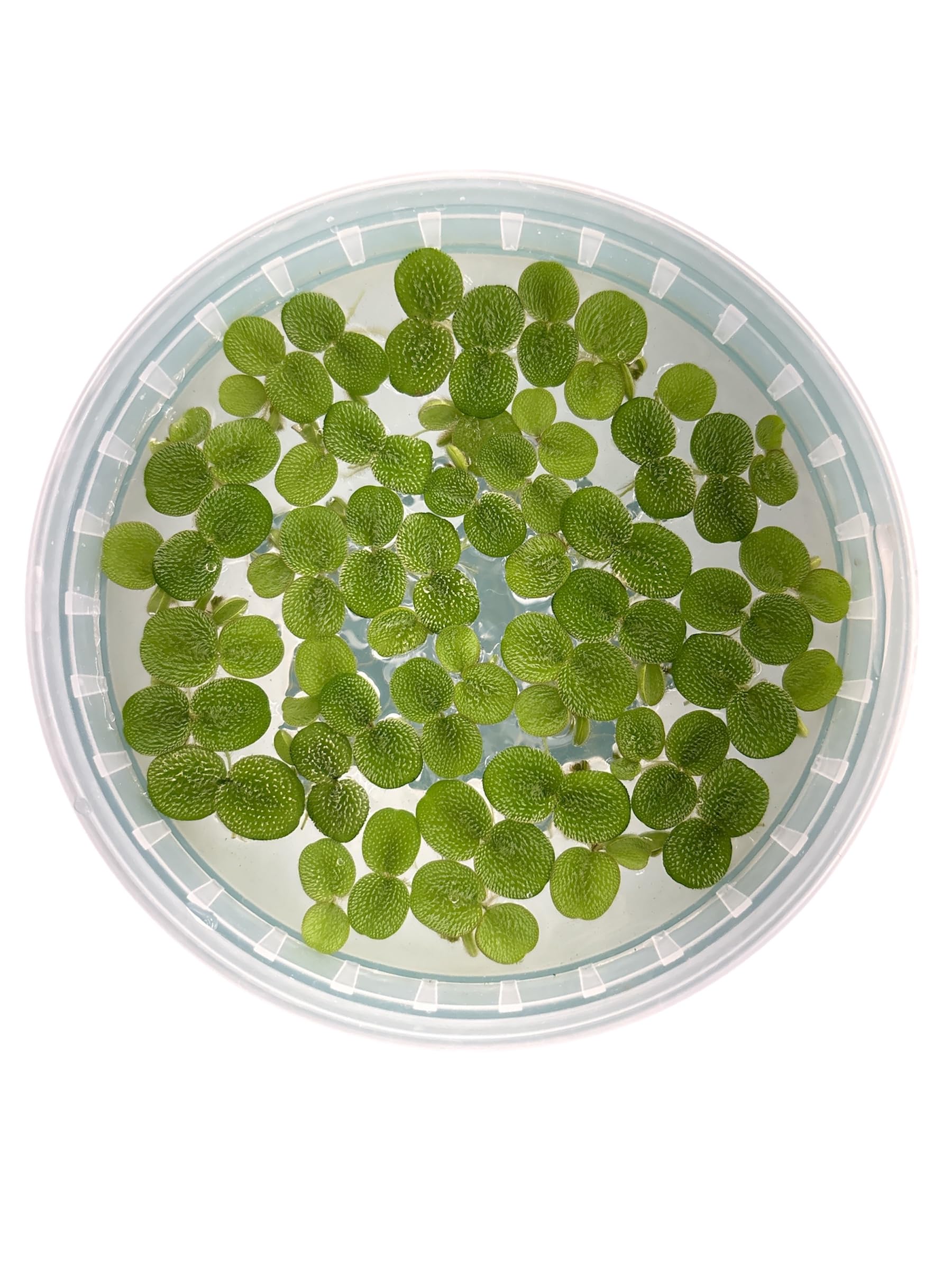
Rating: 4.6 ★ | Price: Budget | Light Requirement: Medium to high | Growth Rate: Extremely fast | Survival Rate: High | Size at Delivery: 60+ leaves
Water Spangles arrive with zero dead leaves — every batch is green and ready to multiply. Under medium to high light, growth is rapid, quickly forming a dense mat that takes up excess nutrients. For the price, this is one of the most dependable floaters in the freshwater market.
This plant suits aquarists with high-light tanks who want quick surface cover and nutrient absorption. The fast multiplication means weekly thinning is necessary to prevent the mat from blocking light to lower plants — a straightforward maintenance task for anyone comfortable with regular tank work. If you prefer minimal upkeep, consider a slower-growing floater instead.
Pros
- Arrives with no dead leaves — every batch is green and ready to grow.
- Grows extremely fast and multiplies quickly under medium to high light.
- Great value for a high-output floater that delivers consistent results.
Cons
For high-light tanks that need a dependable surface cover without the risk of die-off, Water Spangles deliver consistent performance at a budget-friendly price — just plan for weekly thinning.
Best for Vibrant Red Accents
Red Root Floaters

Rating: 4.3 ★ | Price: Mid-Range | Light Requirement: Moderate to high | Growth Rate: Fast | Survival Rate: Good | Size at Delivery: 60+ leaves
The Aquarigram Red Root Floaters are unmatched for visual drama, producing deep red roots and leaves under high light that no other floater in this list offers. The price per leaf is higher than competing floaters, so value perception can be mixed — some buyers find it overpriced compared to greener alternatives like the top pick Water Spangles. This product suits aquascapers who want vivid red accents, betta or shrimp tank owners looking for aesthetic appeal, and anyone prioritizing looks over budget. The plants arrive healthy and well-rooted, with a bonus plant included.
Pros
- Deep red roots and leaves under high light create a striking visual accent.
- Healthy and well-rooted on arrival, with a bonus plant included.
- Bonus plant adds extra value to the purchase.
Cons
- Price per leaf is higher than other floaters — value perception can be mixed.
If visual impact matters more than cost, this is the floater to choose. For budget-conscious buyers, the top pick offers similar growth without the premium.
Best for Red Lily Leaves
Tiger Lotus Lily

Rating: 4.3 ★ | Price: Budget | Light Requirement: Medium to high | Growth Rate: Fast | Survival Rate: Poor | Size at Delivery: Very small
This sprouted bulb produces broad red leaves quickly under medium to high light, making it a budget-friendly centerpiece for high-light aquascapes. Unlike floating plants that offer instant coverage, this bulb requires patience. Some bulbs arrive small with minimal growth, and survival can be hit-or-miss. This makes it better suited for hobbyists who enjoy coaxing a plant from bulb to full lily pad rather than expecting an immediate impact.
Pros
- Grows rapidly under high light, developing vivid red leaves.
- Budget-friendly price for a plant that can become a focal point.
Cons
- Bulb arrives small and may have only a few leaves, requiring patience.
- Some bulbs may arrive in poor condition or struggle to grow.
A solid option for aquascapers who want red color without spending on premium plants, provided they accept a small start and some risk.
Best for Budget Floater
Water Spangles (12 Plants)

Rating: 4.2 ★ | Price: Budget | Light Requirement: Low to medium | Growth Rate: Fast | Survival Rate: Poor | Size at Delivery: 60+ leaves
This pack of Salvinia minima offers the lowest cost per plant among floating options for high-light tanks, and many buyers receive healthy, green specimens upon arrival.
The trade-off is inconsistent durability — some plants may rot shortly after arrival — making this a choice for experienced hobbyists who can handle losses and revive stressed plants. Not recommended for beginners or those expecting every plant to survive.
Pros
- Very low price per plant
- Generally arrives healthy and green
Cons
- Durability is inconsistent; some plants may rot or decline soon after arrival
Budget-conscious aquascapers willing to accept plant losses and experienced in reviving stressed floaters will find value here, but those wanting reliable survival should consider the top pick instead.
Best for Background Plant
Amazon Sword (3 Pack)

Rating: 4.4 ★ | Price: Budget | Light Requirement: Low to moderate | Survival Rate: Poor | Size at Delivery: Large
The Amazon Sword offers large, lush leaves at a low cost, making it a fast choice for filling background space in low-light aquariums. However, plant health upon arrival can be inconsistent – some specimens thrive while others decline quickly. This plant performs best under low to moderate light and is not recommended for high-light setups where other species would be more reliable.
Pros
- Large, lush leaves create a dense background appearance quickly.
- Good value for the size of plants received.
Cons
- Plant health upon arrival can vary – some specimens may arrive in poor condition or decline shortly after.
Suitable for low-light tanks if you can accept some plant loss; for high-light aquascaping, consider the top pick Water Spangles instead.
How to Choose
The most overlooked factor in high-light plants is that shipping stress kills more specimens than incorrect light levels do.
Light Requirement
High-light plants often need 8-10 hours of strong LED or T5 lighting. Under lower intensity, they may survive but lose color and grow slowly. The hidden trade-off: more light demands more CO2 and nutrients, otherwise algae take over. Know your tank’s PAR rating before choosing.
Some plants labeled ‘low light’ can adapt to high light but will never show their full potential. Matching the plant’s natural requirement to your setup prevents disappointment and extra work.
Growth Rate
Fast growers like floaters multiply quickly and can cover the entire surface within a week. That blocks light to lower plants and requires regular thinning. The hidden trade-off: rapid growth also means rapid nutrient uptake, which can deplete nitrates and cause deficiencies in other plants.
Slower-growing plants like bulb species take weeks to develop but need less maintenance once established. Choose based on how much time you want to spend trimming.
Survival Rate
Plant survival on arrival depends heavily on shipping temperature. Even hardy species can die in a single day of extreme heat or cold. Buyers often assume ‘easy care’ means tough in transit, but that’s not true. The hidden trade-off: paying more from a seller who uses heat packs or cold packs significantly increases your success rate.
For the highest reliability, order during mild weather and ask about the seller’s shipping warranty. Some plants, like the top-pick Water Spangles, show near-perfect survival because they are less delicate in transit.
Size at Delivery
Bullb plants like tiger lotus often arrive as tiny sprouts with just a leaf or two. This can be disappointing if you expect an instant centerpiece. The trade-off: small specimens need 2-4 weeks of stable conditions to grow large, but they cost less and can become impressive if nurtured.
Floating plants are usually sold by leaf count but may arrive compacted. Check that the leaves are not crushed or rotting. Smaller size doesn’t mean dead; look for firm leaves and roots.
FAQ
Why did my water spangles turn brown and die within a week?
Likely due to temperature shock during shipping. Water spangles are hardy but sensitive to extreme heat or cold. If they arrived green but browned quickly, verify your light is on for at least 8 hours and check for adequate nitrates. Most dying floaters can be traced back to transit stress, not tank conditions.
How can I tell if a tiger lotus bulb is still alive?
A healthy bulb feels firm and has no foul odor. Even if leaves are tiny or missing, place it in the substrate under high light. If it doesn’t sprout within 14 days but remains firm, wait another week. Only discard if the bulb turns mushy or develops mold.
Do red root floaters need high light to stay red?
Yes. Under low to moderate light, the leaves stay green and the roots pale. To maintain deep red roots and pinkish leaves, provide 8-10 hours of strong light and supplement with iron. Without high light, they survive but lose the visual pop that makes them desirable.
Can Amazon sword survive in a high light tank?
It can tolerate high light but may develop algae on the leaves if CO2 and nutrients aren’t balanced. Amazon sword is naturally a low to moderate light plant. In a high-light setup, it grows faster but requires more maintenance. It’s better suited as a background plant in a low-light tank.