This post contains affiliate links. We may earn a small commission when you buy through our links — at no extra cost to you.
Goldfish pellets come with a simple promise: sink or float. But many bags deliver the opposite. A food labeled ‘sinking’ may bob at the surface, while a floating pellet can cause fancy goldfish to gulp air and develop swim bladder issues.
This mismatch isn’t a manufacturer conspiracy—it’s a sign that pellet density and size vary widely. The right choice depends on your fish type, tank setup, and feeding habits. Common goldfish do fine with floating food; lionheads and orandas need sinking to stay healthy.
This guide focuses on pellets that match their claims. We’ll highlight which products serve common goldfish, fancy goldfish, fry, and pond fish—so you buy the right tool for the job, not the one with the best label.
Top Picks
Best for Common Goldfish
Tetra Goldfish Variety Pellets
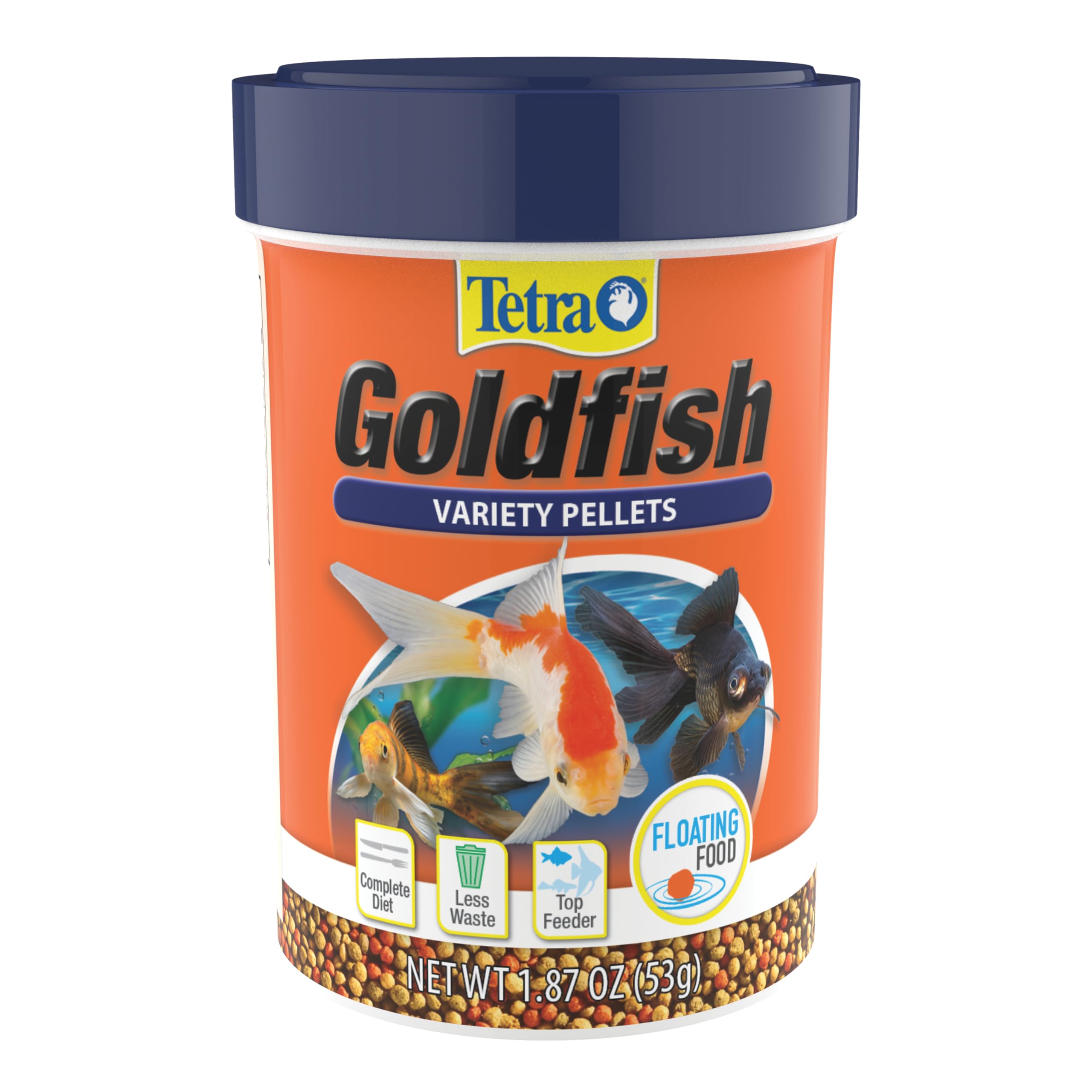
Rating: 4.7 ★ | Price: $ | Pellet Size: Bite-size | Sink vs. Float: Floating | Key Ingredients: Probiotics, vitamins, minerals | Container Size: 1.87 oz
Tetra Goldfish Variety Pellets offer exceptional value – a single container lasts months even with daily feeding, and goldfish consistently take to the taste. The floating pellet format keeps feeding visible and reduces leftover debris from sinking to the bottom.
These pellets are best suited for common and comet goldfish. For fancy goldfish varieties (oranda, lionhead, ranchu), the floating design can contribute to swim bladder issues, so an alternative sinking pellet is worth considering.
Pros
- Exceptional value – large container lasts months even with daily feeding.
- High palatability – goldfish eagerly accept these pellets.
- Long-lasting supply reduces frequency of repurchasing.
Cons
For common goldfish keepers on a budget, this pellet provides consistent feeding results without unnecessary cost.
Best for Fancy Goldfish
Hikari Lionhead Sinking

Rating: 4.7 ★ | Price: $$$ | Pellet Size: Mini (1–2mm) | Sink vs. Float: Sinking | Key Ingredients: Krill, spirulina, astaxanthin | Container Size: 12.3 oz
This sinking mini pellet is formulated specifically for fancy goldfish (orandas, lionheads, ranchu) with krill, spirulina, and garlic to support wen development and vibrant color. Unlike floating options that can cause air ingestion, the sink-to-bottom form prevents buoyancy problems common in these breeds. The premium price and potential mess in the tank (some pellets break down quickly) mean it’s best for keepers who prioritize specialized nutrition over budget or low-maintenance cleaning.
Pros
- Enhances wen growth and color development in fancy goldfish
- Sinking design reduces swim bladder problems by preventing air ingestion
- High-quality ingredients that fish readily accept
Cons
- Premium price compared to standard goldfish pellets — not a budget option
- Some pellets can break apart and cloud the water, requiring extra tank maintenance
For dedicated fancy goldfish keepers who value health and show-quality results over convenience and cost, this sinking pellet delivers.
Best for Fancy Goldfish
Ultra Fresh Sinking 1.87oz

Rating: 4.5 ★ | Price: $ | Pellet Size: 1.6×2mm granule | Sink vs. Float: Sinking (claimed slow) | Key Ingredients: Sword prawn, spirulina, probiotics | Container Size: 1.87 oz
Ultra Fresh’s goldfish pellets stand out for their clean ingredient list – whole prawn, akiami shrimp, spirulina, and probiotics, with no artificial colors or fillers. The ‘slow sinking’ claim doesn’t hold consistently; pellets drop quickly and can hide in gravel, and some users see temporary cloudiness after feeding. This food suits fancy goldfish owners who prioritize natural ingredients over perfect sinking behavior in small tanks where the 1.87oz bottle lasts.
Pros
- All-natural, additive-free ingredients from whole prawn and spirulina.
- Color enhancement brings out richer oranges and reds in goldfish.
Cons
- Pellets sink faster than claimed, often burying in gravel before fish can eat them.
A smart choice for health-focused keepers who can manage the faster sinking and occasional cloudiness – the ingredient quality justifies the tradeoff for small tanks.
Best for Pond Goldfish
Blue Ridge Mini Growth 2lb

Rating: 4.6 ★ | Price: $$ | Pellet Size: Mini (for fish <5") | Sink vs. Float: Floating | Key Ingredients: Soybean meal, fish meal | Container Size: 2 lb
This Blue Ridge Mini Growth formula offers a budget-friendly floating pellet that delivers noticeable growth and color for small pond goldfish and koi. The 2lb bag provides good value compared to premium alternatives, with a pellet size well-suited for fish under 5 inches.
Best for pond owners who want an economical growth food and have fish that aren’t picky—some individuals may refuse the pellets. The floating form works well for surface feeders, but the bag size is less practical for small indoor tanks where it might go stale before use.
Pros
- Formulated for growth and vibrant color at a budget-friendly price.
- Pellet size is ideal for small to medium pond goldfish and koi.
Cons
- Isolated reports note possible water clarity and fish health concerns – worth monitoring when first introducing the food.
Good value for pond keepers who can test acceptance before committing to the full bag.
Best for Fry, Small Goldfish
Hikari Gold Baby Pellet
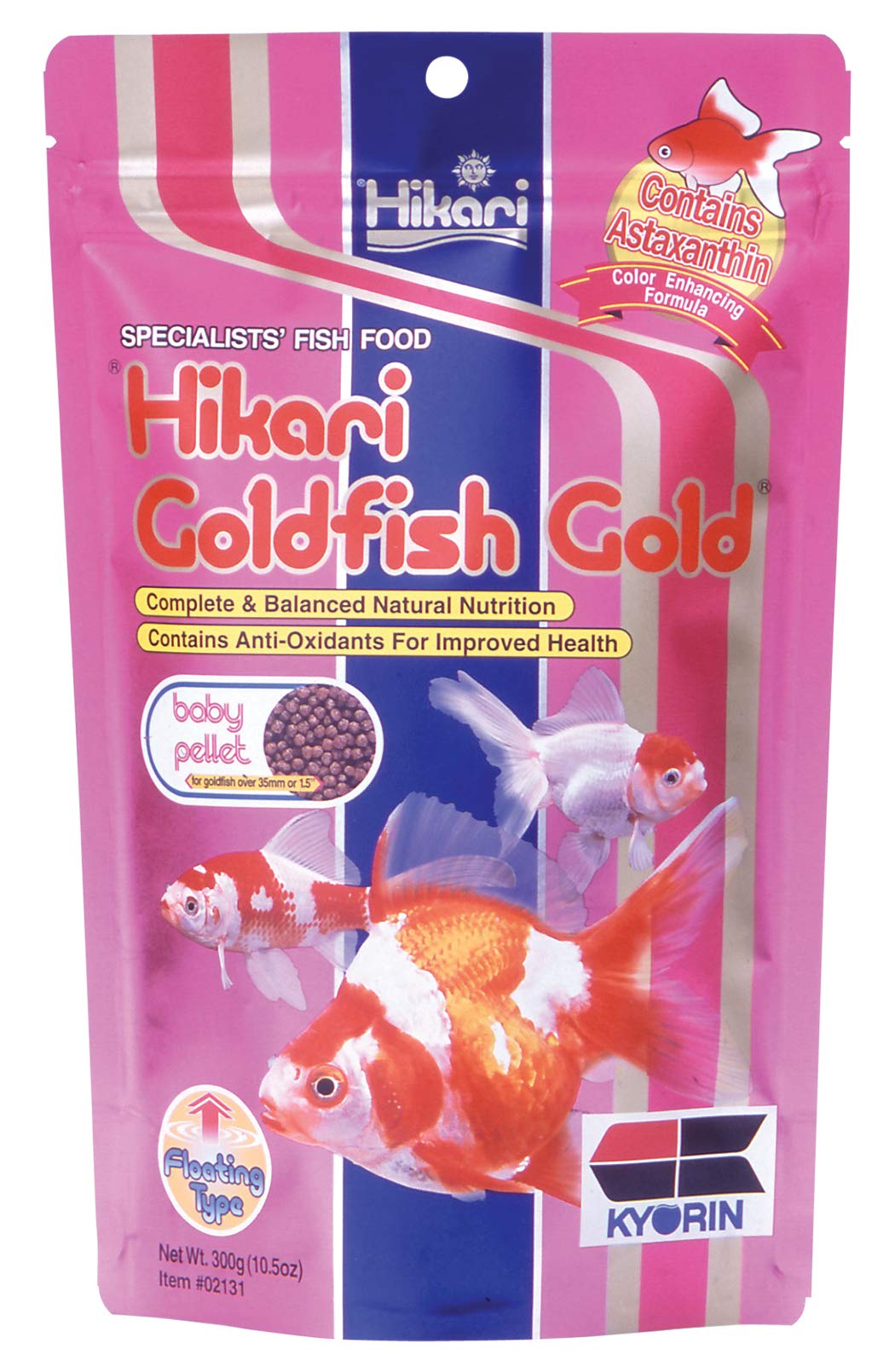
Rating: 4.7 ★ | Price: $$ | Pellet Size: 1.7–2.0mm baby | Sink vs. Float: Floating | Key Ingredients: Astaxanthin, color enhancers | Container Size: 10.5 oz
The 1.7–2.0mm pellet size and astaxanthin formula drive noticeable color in fry and tiny goldfish without the challenge of breaking apart larger food. This is a different approach from the broad-staple top pick and the sinking Hikari Lionhead pellet for fancy goldfish — here the focus is entirely on young, small mouths. The floating form means air ingestion can be a concern, but pre-soaking eliminates that; the real trade-off is the modest 10.5-ounce bag, which suits small batches of growing fish rather than a full pond. Breeders and keepers raising show-quality young stock will find that targeted payoff worth it.
Pros
- Tiny 1.7–2.0mm size is easy for fry and small goldfish to eat and digest
- Astaxanthin noticeably enhances color intensity and vibrancy
- Ingredient list meets the expectations of serious breeders
Cons
- The 10.5-ounce bag may run out quickly for anyone keeping more than a few small fish
For breeders and dedicated keepers of fry or small goldfish varieties, the color payoff is immediate and the pellet size is exactly right — just plan on soaking and restocking more often than with bulk options.
Best for Large Pond Fish
Blue Ridge Probiotic Plus 5lb

Rating: 4.7 ★ | Price: $$$ | Pellet Size: 3/16" (4.8mm) | Sink vs. Float: Floating | Key Ingredients: Probiotic, vitamin C, clay | Container Size: 5 lb
The Primalac probiotic core, boosted vitamin C, and montmorillonite clay work together to support digestion and enhance coloration in larger pond fish. The 3/16" pellets are sized for fish over 5 inches — smaller goldfish and fry will struggle. This food suits pond owners who prioritize immune support and color over keeping costs low.
Pros
- Probiotic formula supports digestive health and immunity
- Fish color and vitality improve noticeably
- Good value for a 5lb bag of premium pond food
Cons
- Premium price may not suit budget-conscious keepers
A focused choice for keepers who want advanced nutrition and are feeding fish large enough to handle the pellets.
Best for Larger Goldfish
Omega One Sinking 8oz

Rating: 4.6 ★ | Price: $$ | Pellet Size: 4mm medium | Sink vs. Float: Sinking (inconsistent) | Key Ingredients: Salmon, kelp | Container Size: 8 oz
Salmon first ingredient provides protein for growth and color. Goldfish love the taste, but sinking performance varies—some pellets float—and isolated health reports exist. Best for larger goldfish (4"+), not for small ones or those needing reliable sinking.
Pros
- High-quality salmon protein supports growth and energy in larger goldfish.
- Goldfish find the taste highly palatable, reducing food refusal.
Cons
- 4mm pellet size may be too large for goldfish under 4 inches.
A solid choice for larger goldfish keepers who value high-protein salmon ingredients.
How to Choose
The single most important decision is whether your goldfish needs floating or sinking pellets—common goldfish thrive on floating food, but fancy varieties need sinking to avoid life-threatening swim bladder issues.
Pellet Size Matters
Pellet size determines which fish can eat the food. Baby goldfish and fry need pellets under 2mm, while adults over 4 inches can handle 3/16" or 4mm. Using pellets that are too large can lead to choking or wasted food.
Small pellets also sink faster than large ones of the same density. If you want sinking food for fancy goldfish, choose a mini or baby pellet—larger floating pellets designed for koi may never sink.
Sinking vs. Floating
Floating pellets encourage surface feeding, which is fine for common goldfish but risky for fancy varieties with compressed body shapes. Gulping air at the surface is a direct cause of swim bladder disease.
Sinking pellets eliminate that risk and also reduce stress on the fish’s swim bladder. However, many ‘sinking’ products float due to ingredient density. Check reviews for real-world behavior before buying.
Ingredient Quality
The best goldfish pellets list whole fish or shrimp as the first ingredient, not fillers like wheat or corn. Whole ingredients digest better and produce less waste, which keeps the water clearer.
Probiotics and color enhancers like astaxanthin offer real benefits: probiotics aid digestion and immunity, while astaxanthin brings out reds and oranges. But these come at a premium price.
Container Size
A small 1.87-ounce bottle works for a single fish but runs out fast in a pond. Larger bags (2–5 pounds) save money per ounce but risk going stale if not sealed properly.
For indoor tanks with one or two fish, a smaller container lasts months. Pond owners should buy bulk but transfer pellets to an airtight container to maintain freshness.
FAQ
Why does my goldfish food cloud the water?
Cloudy water usually means the food has high ash or filler content that breaks down quickly. Overfeeding also contributes. Switch to a pellet with whole ingredients like salmon or shrimp and feed only what your fish can eat in two minutes.
Should I feed my goldfish floating or sinking pellets?
Common goldfish and comets do fine with floating pellets. Fancy goldfish (orandas, lionheads, ranchu) need sinking pellets to prevent swim bladder disease from gulping air at the surface. If you have a mix, choose sinking—other fish will eat from the bottom.
How do I get my goldfish to eat new pellets?
Goldfish can be picky. Start by mixing a small amount of the new pellet with their current food. Soak hard pellets in tank water for a few minutes to soften them. If they still refuse, try a different brand—some fish simply reject certain formulas.
What size pellet is best for my goldfish?
Fry and goldfish under 2 inches need baby pellets (1.5–2mm). Small to medium goldfish (2–4 inches) can handle mini pellets (2–3mm). Larger goldfish and pond fish over 4 inches can eat 3/16" to 4mm pellets. Always match pellet size to mouth size to avoid choking.