This post contains affiliate links. We may earn a small commission when you buy through our links — at no extra cost to you.
Many aquarists discover that live plants can arrive with unwanted snails or melt within days. The difference between a thriving tank and a frustrating one often comes down to root quality and the seller’s packing standards.
This guide cuts through the variables by matching each plant to its ideal tank setup—whether you need a fast-growing background plant, a low-light epiphyte, or a floating accent. The real decision isn’t about price alone; it’s about how much risk you’re willing to accept for a specific look.
We’ve organized the options around the trade-offs that matter most: root development, pest risk, and light requirements. The result is a clear path to a healthy planted tank without the guesswork.
Top Picks
Best for Beginner Background
Marcus Fish Tanks 3x Amazon Sword

Rating: 4.6 ★ | Price: $$ | Plant Type: Amazon Sword | Size: 7-12 inches | Light: Low to moderate | Count/Leaves: 3 plants | Root Quality: Well-developed | Pest Risk: Snail risk | Value: Mid-Range
These Amazon Sword plants arrive with strong root systems and vibrant green leaves, consistently sized larger than typical pet store offerings. They grow well under low to moderate light, making them a straightforward choice for a background plant in most freshwater tanks.
Best suited for beginners and aquascapers who want a hardy, fast-growing background plant. Live plants carry a small risk of hitchhiking snails; a brief quarantine before adding to your display tank addresses this.
Pros
- Healthy plants with well-developed roots
- Generous size compared to local pet store options
- Responsive customer service and replacement policy
Cons
- Snails may hitchhike on plants even after rinsing – a tradeoff common with live plants.
For aquarists who want a robust background plant that arrives healthy and grows quickly, this three-pack is a consistent choice.
Best for Low-Light Tanks
SubstrateSource Anubias Barteri
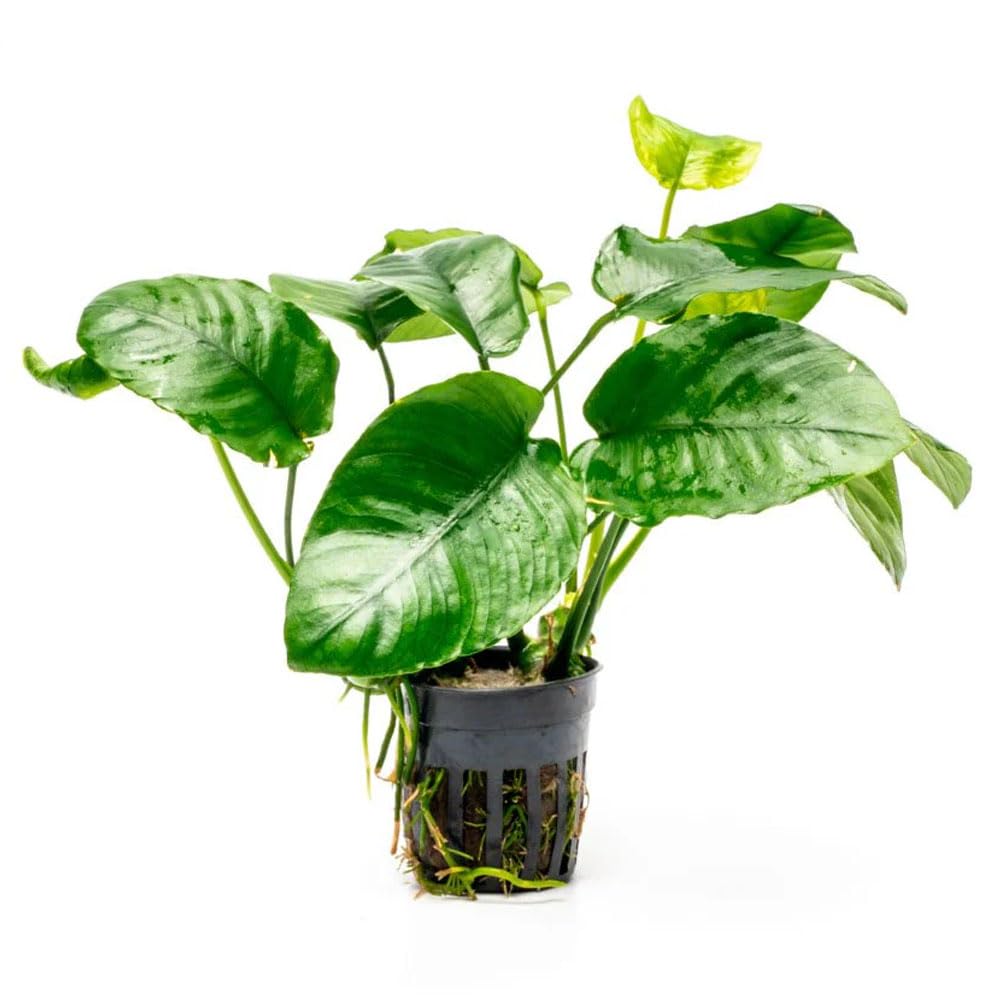
Rating: 4.5 ★ | Price: $$ | Plant Type: Anubias barteri | Size: 4-6 inches tall | Light: Low | Count/Leaves: 1 plant | Root Quality: Strong roots | Pest Risk: Low | Value: Mid-Range
This SubstrateSource Anubias arrives with vivid green leaves and strong roots, supported by packaging that includes heat packs during cold weather — a level of care that removes the arrival-condition lottery. It’s a single pot of Anubias barteri wrinkle leaf, suited to low-light tanks where it will stay healthy with minimal maintenance. The higher price compared to generic Anubias reflects this consistency, and the plant is not a fit for tanks with plant-eating fish that will graze on the leaves.
Pros
- Arrives consistently healthy with vibrant green leaves and strong roots
- Packaged with heat packs in cold weather to ensure excellent condition on delivery
Cons
- Premium pricing compared to basic Anubias options, though arrival consistency justifies the difference
If reliable arrival condition and healthy leaves outweigh a slightly higher sticker price, this Anubias is the plant to choose — no surprises, just a solid epiphyte.
Best for Budget Beginners
Water Plants Amazon Sword 3-pack

Rating: 4.4 ★ | Price: $ | Plant Type: Amazon Sword | Size: 20 inches | Light: Low to moderate | Root Quality: Inconsistent | Value: Budget
Unbeatable value per plant for large tanks — the Water Plants Amazon Sword 3-pack delivers three live plants at a price that undercuts most single-sword sellers. Plants arrive healthy and adapt quickly, with minimal melt after shipping even in colder conditions.
This is the right pick for budget-conscious beginners or anyone setting up a spacious background quickly. The tradeoff: root quality varies between packs, so some plants arrive with sparse roots that need extra care to establish. Hobbyists who demand uniform size and developed roots should look at the Marcus Sword pack instead.
Pros
- Very affordable three-pack with healthy, vibrant plants on arrival
- Plants adapt with minimal melt after shipping, even after several days in transit
Cons
- Inconsistent root quality; some plants arrive with underdeveloped roots that can make planting more difficult
For hobbyists who need volume and can accept some variability in root development, this is the most cost-effective way to establish a sword background.
Best for Nano Tanks
Marcus Fish Tanks Anubias Nana Petite

Rating: 4.6 ★ | Price: $$ | Plant Type: Anubias nana petite | Light: Low | Count/Leaves: 1 plant | Root Quality: Potted rock wool | Pest Risk: Low | Value: Mid-Range
Marcus Fish Tanks delivers exceptionally healthy Anubias nana petite plants, potted in rock wool to reduce transplant shock. The plants arrive with thick, dark green leaves free of pests. However, ‘petite’ is literal: each plant is very small, best suited for foreground details in Betta tanks or nano aquariums. Those seeking a larger specimen for midground coverage should consider a premium barteri Anubias instead.
Pros
- Extremely healthy plants with thick, dark green leaves
- Potted in rock wool reduces transplant shock
Cons
- Very petite – may be underwhelming for those expecting a larger plant
Ideal for nano tanks and foreground accents where small size is an asset, not a drawback.
Best for Open-Top Tanks
Aquarigram Red Root Floaters

Rating: 4.3 ★ | Price: $$ | Plant Type: Red Root Floater | Light: Medium to high | Count/Leaves: 60+ leaves | Root Quality: Red roots | Value: Mid-Range
These Phyllanthus fluitans develop deep red roots and healthy leaves when given enough light, making them a stronger visual choice than standard frogbit. They work well in open-top tanks with strong lighting where they can freely absorb nutrients and compete with algae. The bonus mystery plant adds value, though the floaters themselves require medium to high light — low-light tanks will see leaves melt over time. Under proper conditions, they multiply quickly and help export excess nutrients. The long roots provide shelter for fry while shading the tank to slow algae growth, ideal for aquascapers seeking red contrast rather than a low-maintenance surface cover.
Pros
- Vibrant red roots create strong color contrast against green tank backgrounds.
- Effective nutrient export helps reduce algae growth in well-lit tanks.
- Bonus mystery plant adds value beyond the advertised 60+ leaves.
Cons
- Possible to receive fewer leaves than advertised in some shipments.
- In low-light or low-nutrient setups, leaves may turn brown and melt over a few weeks.
Suited for aquascapers with medium-to-high light tanks who want a dynamic, nutrient-absorbing floater with visual impact.
Best for Low-Light Tanks
Marcus Fish Tanks 3x Java Fern

Rating: 4.5 ★ | Price: $$ | Plant Type: Java Fern | Size: 7-12 inches | Light: Low | Count/Leaves: 3 plants | Root Quality: Healthy roots | Pest Risk: Low | Value: Mid-Range
The Marcus Fish Tanks Java Fern pack delivers three large, well-rooted plants that arrive free of snails and pests — a consistent low-light option. Unlike the cheapest Java Fern bundles that often arrive small or damaged, these plants maintain size and health. The seller is less established than some competitors, which may give some buyers pause, but the early track record of healthy arrivals is strong. This pack suits hobbyists who want reliable epiphyte growth without the risk of snail hitchhikers and are okay with a newer seller.
Pros
- Large, established root systems reduce transplant shock and promote quick growth.
- Arrives completely snail-free and pest-free — no quarantine or treatment needed.
- Thrives under low-light conditions with minimal maintenance.
Cons
- Seller’s track record is shorter than some competing brands, which may matter for buyers who prioritize established reputation.
For hobbyists who want healthy, pest-free Java Ferns without paying a premium for a well-known seller, this three-pack delivers consistent quality.
Best for Beginner Combo
Big Pete’s Java Fern & Anubias

Rating: 4.3 ★ | Price: $ | Plant Type: Java Fern + Anubias | Light: Low | Count/Leaves: 2 plants | Root Quality: Bare root | Pest Risk: Low | Value: Budget
This bundle offers a cost-effective way to add Java Fern and Anubias to a low-light tank, with clean packaging that avoids pest hitchhikers. However, plant sizes can be smaller than pictured, and occasional Anubias specimens may arrive underwhelming — a minor risk for beginners on a tight budget.
Pros
- Cost-effective pair of easy low-light plants that arrive healthy.
- Pest-free packaging means no unwanted snails or damage.
Cons
- Plant size may be smaller than expected, particularly the Anubias.
A sensible starting point for hobbyists who want two classic low-light plants without spending much.
Best for Ponds or Growout
Aquarium Plant Center Giant Duckweed

Rating: 4.3 ★ | Price: $ | Plant Type: Giant Duckweed | Light: Low to medium | Count/Leaves: 30 plants | Pest Risk: Snail risk | Value: Budget
This giant duckweed from Aquarium Plant Center offers a budget-friendly way to cover water surface with fast-growing floaters. It arrives healthy and tolerates grazing well, making it ideal for ponds or goldfish tanks. However, pest snails or worms may hitchhike on the plants, which limits its use in planted display tanks where cleanliness matters.
Pros
- Healthy, green plants that arrive in good condition
- Excellent value for a fast-growing floating plant
Cons
- Pest snails or worms may hitchhike on the plants, a concern for display tanks.
Best suited for goldfish tanks or ponds where the fast growth and grazing tolerance outweigh the risk of snail hitchhikers.
Best for Surface Cover
Aquarium Plant Center Water Spangle

Rating: 4.2 ★ | Price: $ | Plant Type: Water Spangle | Light: Low to medium | Count/Leaves: 60+ leaves | Pest Risk: Snail risk | Value: Budget
Aquarium Plant Center’s Water Spangle arrives healthy and green, growing fast to blanket the water surface in low-tech tanks. Some shipments may include fewer plants than advertised, and occasional pest snails can hitchhike – these inconsistencies keep it behind more consistent floaters for those who need exact plant counts.
Pros
- Healthy plants with vibrant green color on arrival.
- Fast growth quickly covers the water surface.
Cons
A practical option for low-tech tanks prioritizing fast coverage over exact count, but check the plant quantity upon arrival.
Best for New Seller
Generic Water Spangles 60+
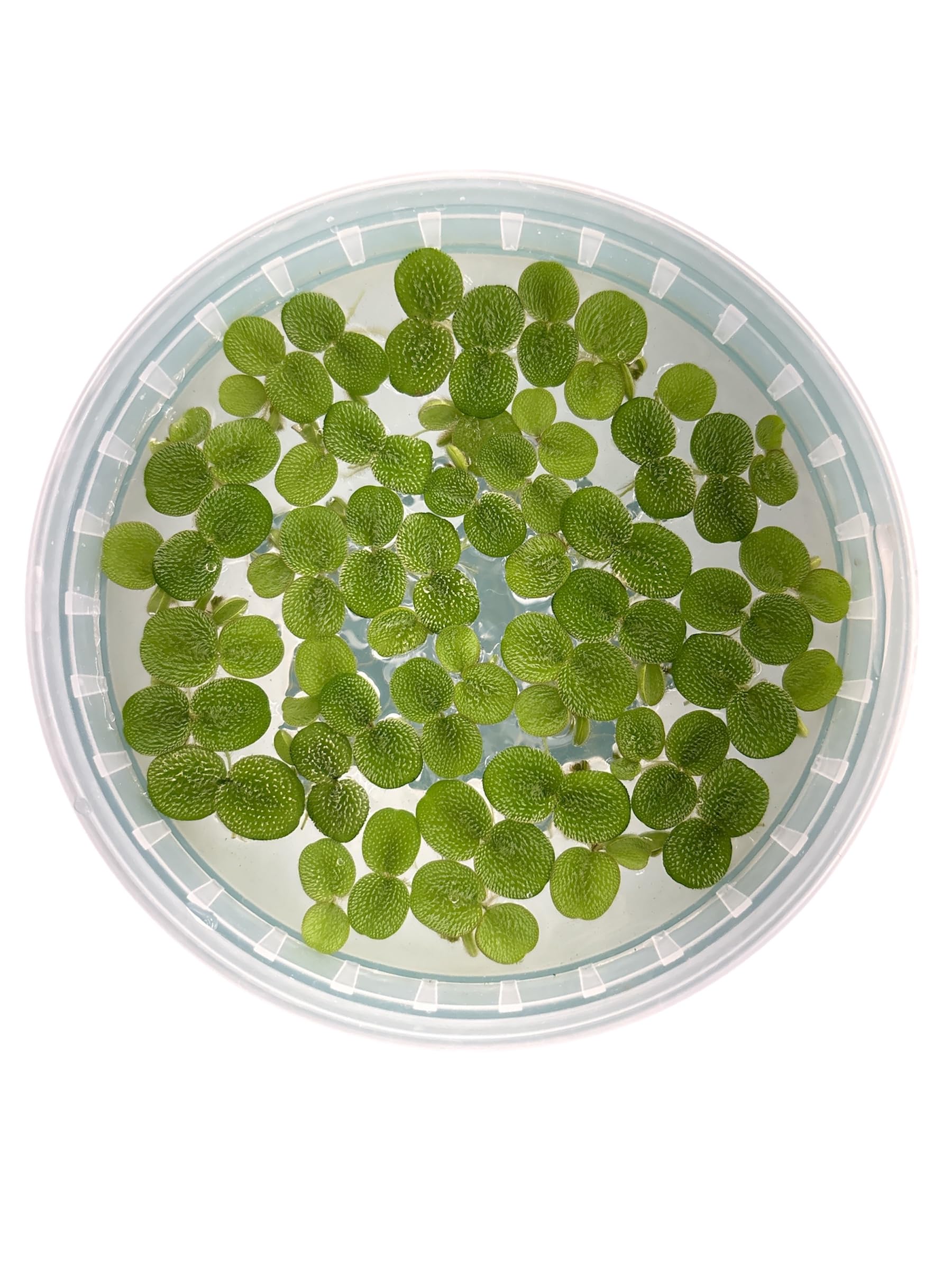
Rating: 4.6 ★ | Price: $$ | Plant Type: Water Spangles | Light: Moderate | Count/Leaves: 60+ leaves | Root Quality: Great roots | Value: Mid-Range
These Salvinia minima arrive vibrant green with well-developed roots and clean packaging. That consistency across early feedback is promising, but with fewer buyers reporting in than established sellers, the long-term reliability is less certain. This makes the product a good fit for aquarists comfortable trying a new seller in exchange for healthy plants at a mid-range price.
Pros
- Plants arrive vibrant green with well-developed root systems
- Well-packaged and arrives in perfect condition
Cons
Best suited for aquarists who value immediate plant health over a seller’s long track record.
Best for Budget Risk-Taker
AquaLeaf Java Fern Bare Root

Rating: 4.2 ★ | Price: $ | Plant Type: Java Fern | Size: 6-10 inches | Light: Low | Root Quality: Bare root | Value: Budget
This Java Fern is a budget-friendly option for low-tech tanks, thriving in low light and attaching easily to driftwood. The trade-off is that some plants arrive with brown spots or smaller leaves than expected, so condition and size are inconsistent. Buyers who prioritize guaranteed healthy arrival and consistent size may prefer the triple pack from Marcus Fish Tanks.
Pros
- Very low price for a Java Fern that grows well in low light
- Attaches to driftwood easily with minimal die-off in low-tech setups
Cons
- Some plants arrive with brown spots or smaller leaves than expected
Works as a low-cost filler for low-light tanks if you can accept variable arrival condition and size.
Best for Experienced Variety
Swimming Creatures 10 Species
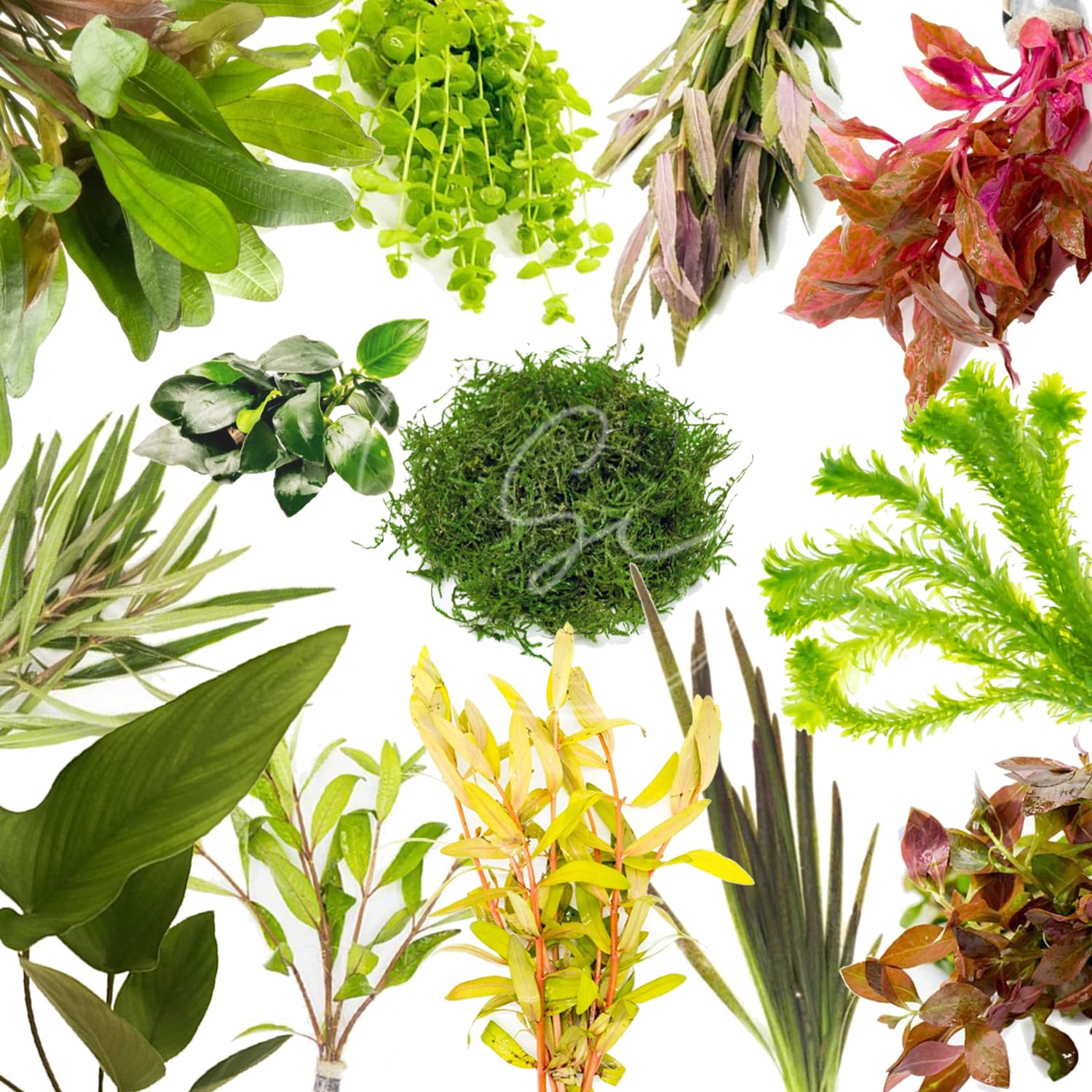
Rating: 4.2 ★ | Price: $$$ | Plant Type: Mixed species | Light: Varied | Count/Leaves: 10 species | Root Quality: Various | Value: Premium
This bundle provides a wide variety of healthy plants, well-packaged upon arrival. However, the lack of labels means you’ll need to identify each species yourself, and some plants may require specific tank conditions that your setup doesn’t provide — making it a better fit for aquascapers comfortable with research and adaptable plant care.
Pros
- Great variety – get many different plant types in one order
- Plants arrive healthy and well-packaged
Cons
- No plant labels included – identifying species requires external tools like Google Lens.
Best for experienced aquascapers who enjoy identifying and researching plant care, and want a diverse selection of healthy specimens in a single purchase.
Best for Aquascapers
Aquarigram Amazon Frogbit

Rating: 4.2 ★ | Price: $$$ | Plant Type: Amazon Frogbit | Light: Moderate | Count/Leaves: 20+ leaves | Root Quality: Long roots | Value: Premium
This frogbit arrives with lush, long roots and a free mystery plant, giving a refined look to open water surfaces. The premium price reflects the consistent health of the leaves and rapid propagation under moderate light. However, some shipments arrive with dead or rotting plants, and roots can be tangled or shorter than expected — a risk worth weighing against cheaper floating options like duckweed or water spangle.
Pros
- Plants arrive with long, intact roots and vibrant leaves
- Grows quickly and spreads well across the tank surface
Cons
- In a minority of orders, plants arrive dead or rotting — a gamble at this price point
Best suited for aquascapers who prioritize elegant, long-rooted surface cover and are willing to accept occasional losses rather than a no-fail budget floater.
Best for Experienced
Marcus Fish Tanks Tiger Lotus

Rating: 4.3 ★ | Price: $$ | Plant Type: Tiger Lotus | Size: 0.5-1 in bulb | Light: Moderate to high | Root Quality: Bulb | Value: Mid-Range
The Tiger Lotus bulb from Marcus Fish Tanks can produce rapid growth and striking red leaves in a few weeks. However, bulb viability is not guaranteed—some units may not sprout at all. This inconsistency makes it a gamble better suited to experienced aquarists who can handle the uncertainty.
Pros
- Grows quickly and develops vibrant red leaves when conditions are right.
- Bulbs that sprout produce new leaves quickly, establishing the plant promptly.
Cons
- Some bulbs may not sprout despite proper care, so you might not get a plant from every order.
Best for experienced aquarists who want a shot at unique red foliage and are comfortable with the possibility of non-sprouting bulbs.
Best for Odor Control
Exo Terra Moss Ball (Fake)

Rating: 4.1 ★ | Price: $ | Plant Type: Synthetic moss | Size: About 2 inches | Count/Leaves: 1 ball | Root Quality: Synthetic | Value: Budget
Effectively reduces tank odors and clears cloudy water at a budget-friendly price. However, it is made of synthetic hair-like material, not real moss, so it offers no oxygenation or natural plant benefits — suited for terrariums or emergency water clarity, not a planted aquarium.
Pros
- Cuts down tank odors and clears cloudy water quickly
- Very low cost compared to pet store alternatives
Cons
- Synthetic material provides no oxygen or natural benefits; marketing is misleading
Best kept as a quick fix for odor or cloudiness in turtle tanks or terrariums, not as a substitute for live aquatic plants.
How to Choose
Healthy root systems and pest-free arrival matter more than leaf count when selecting freshwater plants.
Plant Type and Care Level
Low-light plants like Anubias and Java Fern tolerate neglect but grow slowly. High-light plants like Red Root Floaters need strong LEDs and regular nutrients to thrive.
Match your tank’s lighting and maintenance schedule before choosing. A demanding plant in a low-tech setup will melt and frustrate.
Size on Arrival
Plants often arrive smaller than advertised, especially from budget sellers. A 7-inch Amazon Sword may shrink to 4 inches during shipping, but will grow back if roots are healthy.
Focus on root ball size rather than leaf height to gauge future growth. A compact plant with thick roots outperforms a tall one with tiny roots.
Root and Rhizome Condition
Roots are the plant’s lifeline. Bare-root Java Ferns with a strong rhizome attach easily to driftwood, while potted Anubias in rock wool reduce transplant shock.
Avoid plants with mushy or broken roots—they struggle to establish and often melt within the first week.
Pest Hitchhiker Risk
Snails and pest worms commonly ride in on live plants, especially from high-volume sellers. A one-week quarantine in a separate container prevents outbreaks.
Some sellers guarantee pest-free plants, but none can fully eliminate the risk. A pre-planting dip in a mild bleach solution can help but may damage sensitive species.
Value per Plant
The cheapest per-plant price often comes with higher risk of dead plants or pests. For example, three-pack Amazon Swords under $15 can be excellent value if roots are healthy.
Spending a few dollars more for a reliable seller saves time and frustration. Look for bundles with live arrival guarantees.
FAQ
How do I prevent snails from hitchhiking on live aquarium plants?
Quarantine new plants in a separate container with water and aeration for one week. Inspect for snails daily and remove any visible ones. A bleach dip (1:20 for 2 minutes) kills snail eggs but can damage sensitive plants like Anubias.
How long does it take for Amazon Sword plants to adjust after being shipped?
Expect a ‘melt’ period of 1-2 weeks where leaves may turn yellow or transparent as the plant adapts to your water. Trim dead leaves and maintain stable lighting and fertilizer. Most swords recover fully and start new growth within 3 weeks.
Are Java Fern plants safe with goldfish that like to nibble?
Goldfish will nibble Java Fern leaves, but the tough texture and rhizome structure usually survive moderate grazing. However, heavy nibbling can uproot or shred the plants. Provide alternative food like duckweed to reduce damage.
Why are my floating plants turning brown and dying?
Floating plants like Red Root Floaters and Frogbit need moderate to high light and nutrients. Low light causes melting, while stagnant water or low nitrates lead to yellowing. Increase lighting duration or add a liquid fertilizer to revive them.