This post contains affiliate links. We may earn a small commission when you buy through our links — at no extra cost to you.
Scrolling through fish listings, the photos show vibrant, full-sized fish. When the box arrives, those tiny pale fry swimming in the bag look nothing like the image. That gap between marketing and reality is the most common buyer complaint—and the hardest to avoid without experience.
The trade-off is straightforward: bottom-dwelling species like pygmy corys stay small and hide less, while schooling fish like neon tetras offer that classic flash but often ship as fry-sized juveniles. No single fish covers both visibility and instant size.
This guide focuses on species that consistently arrive at a usable size, with healthy color already developing, so your planted tank looks put-together within days, not weeks.
Top Picks
Best for Nano Planted Tanks
Pygmy Cory 6 Pack
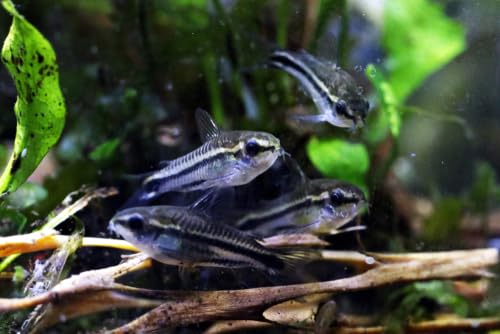
Rating: 4.4 ★ | Price: Mid-Range | Size at Maturity: ~1 in | Temperament: Peaceful | Activity Level: Bottom dweller
The Pygmy Cory 6 Pack from Swimming Creatures Store arrives with consistent health and activity—a level of reliability that’s uncommon when ordering live fish online. These bottom dwellers stay under 1.5 inches, making them ideal for planted nano tanks where they won’t uproot plants or disturb shrimp.
This 6-pack suits beginners and planted-tank keepers who want a peaceful, low-maintenance schooling fish. The tiny size is a feature, not a flaw, for tanks 5–15 gallons. However, the 1-inch fish will frustrate anyone expecting a showy centerpiece—these are best appreciated as active, subtle bottom-dwellers. Not for aggressive tanks or those seeking large fish.
Pros
- Consistently healthy arrivals with very low mortality.
- Peaceful nature makes them safe with shrimp and other nano fish.
- Compact size stays under 1.5 inches, ideal for nano tanks without uprooting plants.
Cons
The most reliable way to stock a bottom level in a nano planted tank with no plant damage and no aggression.
Best for Established Planted Tanks
Neon Tetra 6 Pack

Rating: 4.3 ★ | Price: Mid-Range | Size at Maturity: 1-2 cm | Temperament: Peaceful | Activity Level: Midwater schooler
The Neon Tetra delivers the vivid iridescent blue and red that lights up planted aquariums, forming tight schools that create a lively midwater display. Unlike the bottom-dwelling reliability of the pygmy cory (the top pick in this set), the neon tetra trades predictable size at arrival for iconic coloration. This is the choice for aquarists with established planted tanks who want the traditional neon accent and can provide stable water conditions for small fish to settle in.
Pros
- Vibrant blue and red stripes that glow in planted tanks
- Quick to school and actively swim, adding lively midwater movement
- Generally healthy when shipped carefully, with most fish settling well
Cons
- Arrive very small (1–2 cm), requiring weeks of growth to reach typical tetra size
- Some fish may not survive shipping or die within days of arrival
Best for aquarists who want the classic planted tank look and can wait for these tetras to grow into their full color and schooling behavior.
Best for Small Planted Tanks
Koi Galaxy Betta

Rating: 4.4 ★ | Price: Mid-Range | Size at Maturity: ~2 in | Temperament: Semi-aggressive | Activity Level: Top / mid
The female Koi Galaxy Betta delivers striking, one-of-a-kind coloration that rivals painted patterns, making it a visual anchor for small planted aquariums. Unlike schooling tetras or bottom-dwelling corydoras, this betta is a solitary centerpiece fish with semi-aggressive temperament that limits tankmate options. Color patterns vary individually, so the exact shade of the listing photo may not be the fish you receive—buyers should expect unique variation, not a copy.
This betta suits aquarists who want a single, personality-rich fish in a 5–10 gallon planted tank. It is not a community fish for mixed groups; fin-nipping tankmates or other aggressive species are out of the question. For the right owner, the unpredictable pattern is part of the appeal.
Pros
- Stunning, individual coloration that makes each fish a unique centerpiece.
- Healthy and active with strong personality from the moment of arrival.
Cons
- Color may differ from the advertised photo due to high individual variation.
A strong choice for anyone seeking an eye-catching show fish for a planted nano tank—just accept the color lottery as part of the appeal.
Best for Planted Tanks Hiding
Kuhli Loach 6 Pack
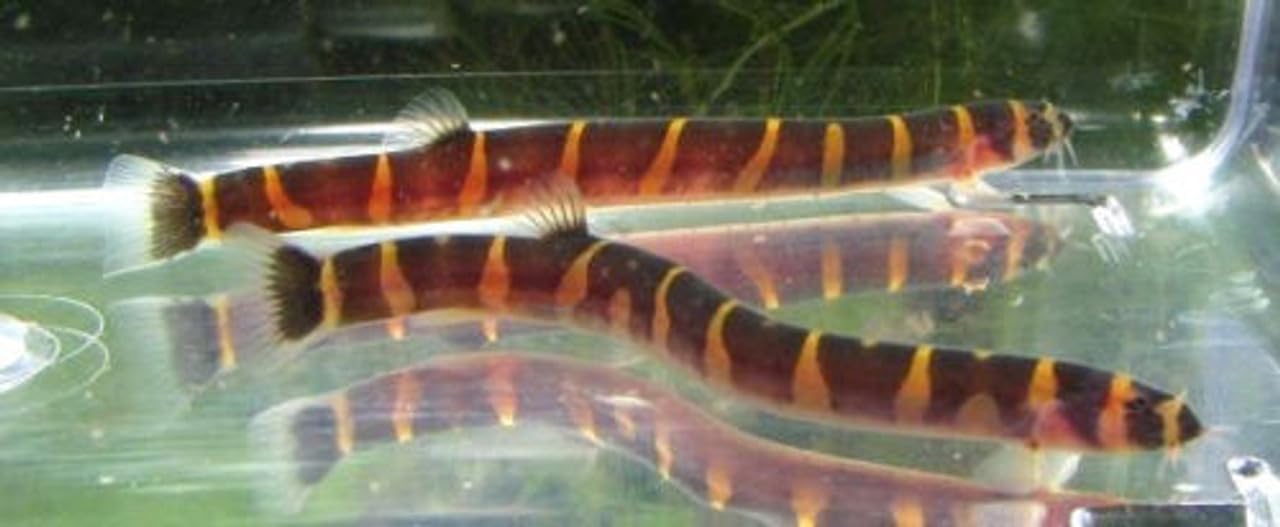
Rating: 4.2 ★ | Price: Budget | Size at Maturity: 2-4 in | Temperament: Peaceful | Activity Level: Nocturnal bottom
Kuhli loaches bring a unique striped eel-like appearance to planted tanks, and a 6-pack costs less than most single specialty fish. They are nocturnal, becoming active after lights out — ideal for aquarists who enjoy late-night observation. Their calm bottom-dwelling behavior does not disrupt plants or substrate. For planted tanks with soft sand and plenty of driftwood or caves, they are a hardy, low-cost addition. The top pick in this roundup (pygmy cory) offers daytime visibility, while these loaches suit a night-focused schedule.
Pros
- Cute striped eel-like appearance adds a unique look to the tank bottom
- Arrive healthy when shipped with proper packaging
- Budget-friendly 6-pack provides good value per fish
Cons
- During daylight hours, these loaches may stay hidden — expect minimal daytime activity.
A unique, affordable bottom dweller for planted tank enthusiasts who enjoy evening activity — but not for those seeking constant daytime viewing.
Best for Large Planted Tanks
Pleco 3-4 in.
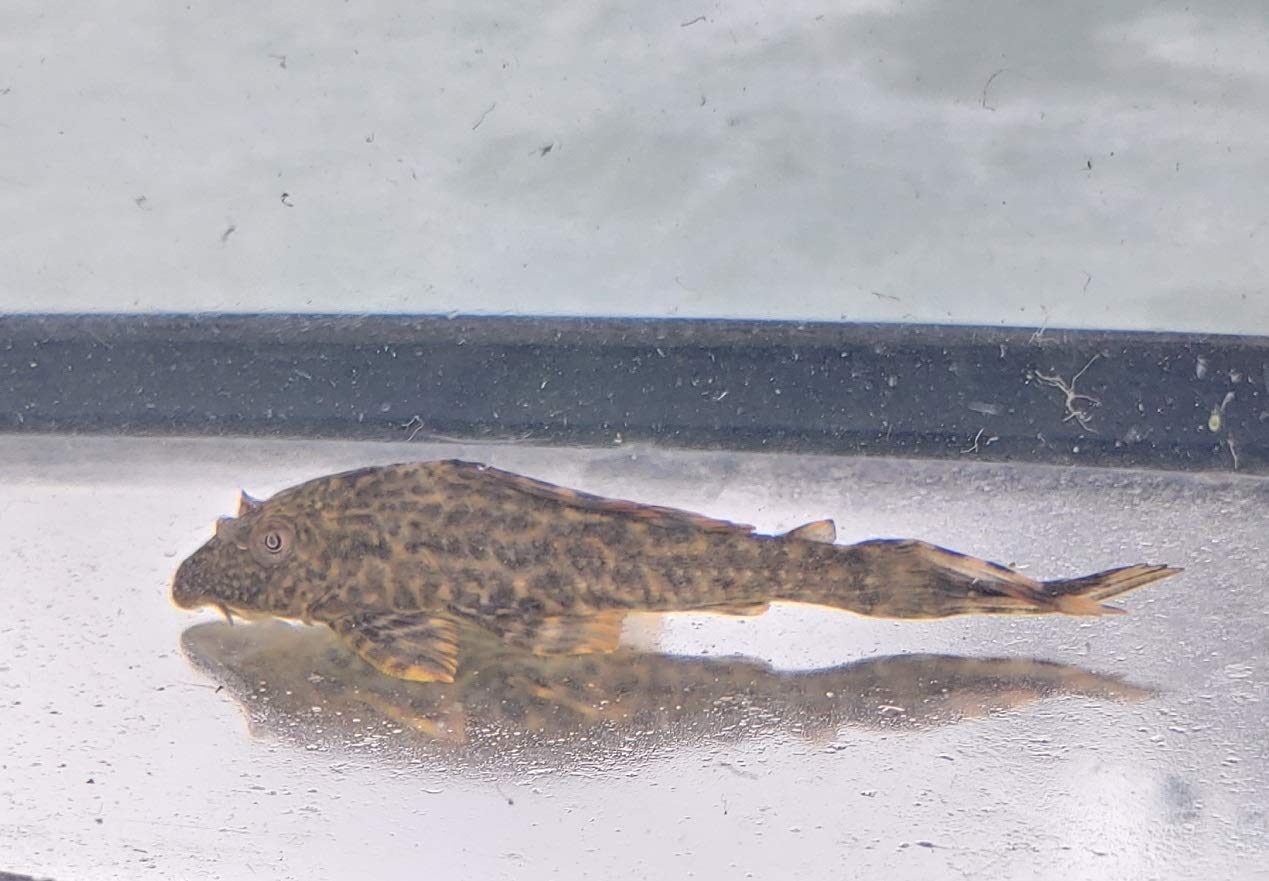
Rating: 4.8 ★ | Price: Budget | Size at Maturity: 3-4 in, grows 12+ | Temperament: Peaceful | Activity Level: Nocturnal bottom
This pleco arrives at 3–4 inches, large enough to start grazing on algae immediately, unlike smaller species that need weeks to grow. The tradeoff is growth potential: it can exceed 12 inches, so a 55+ gallon tank and driftwood for digestion are non-negotiable long-term.
Best for experienced aquarists with a planted tank of at least 55 gallons who want an immediate, low-cost algae solution. Not a fit for nano tanks or beginners without a clear upgrade path.
Pros
- Delivered at a size that starts cleaning immediately – often larger than expected for the price.
- Hardy and healthy upon arrival, with very low DOA reports.
- Quickly becomes an efficient algae eater on glass and decorations.
Cons
- Can outgrow a standard aquarium within a year; requires a 55+ gallon tank long-term.
For planted tank owners with space for a 55+ gallon setup who want a budget-friendly, immediate algae solution, this pleco delivers.
Best for Planted Community Tanks
Serpae Tetra 5 Pack

Rating: 4.6 ★ | Price: Mid-Range | Size at Maturity: 1.5 in | Temperament: Active but peaceful | Activity Level: Midwater
This serpae tetra arrives larger than most tetras at 1.5 inches, with reviewers noting extras and strong health. Its bright red color and active swimming add energy to planted tanks. However, its tendency to nip fins makes it a poor match for long-finned tankmates like bettas or angelfish — better suited to robust, fast-moving communities.
Pros
- Healthy arrival at a respectable size, often with extras included.
- Vivid red coloring with elegant long fins that stand out in planted tanks.
Cons
- May nip fins of slow, long-finned tankmates — not ideal for communities with bettas or angelfish.
A solid choice for active planted tanks with tough tankmates, but skip if you keep slow-moving fish with long fins.
Best for Breeding Stock
Guppy Trio

Rating: 4.2 ★ | Price: Premium | Size at Maturity: 1-2 in | Temperament: Peaceful | Activity Level: Mid / top
The trio’s dragon patterns and fin quality rival show specimens, and the females arrive ready to breed. The per-fish cost is premium, and shipping stress can cause temporary color fading that brightens after a few days. Best for breeders expanding a colony, not for budget community tanks.
Pros
- Show-quality dragon pattern and vibrant blue/green coloration that rival show specimens.
- Healthy and well-packaged, with low stress on arrival.
Cons
- Premium per-fish cost makes this an investment rather than a budget community addition.
Ideal for breeders seeking to upgrade their guppy line with show-quality genetics, provided they have a breeding setup and can accept the premium cost.
Best for Large Robust Tanks
Rainbow Shark 2 Pack
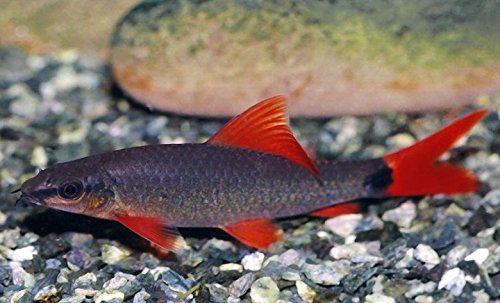
Rating: 4.1 ★ | Price: Budget | Size at Maturity: 2.5-3 in, grows 6 | Temperament: Semi-aggressive | Activity Level: Bottom / mid
The Rainbow Shark delivers an eye-catching red tail and active swimming at a budget price. Its territorial nature and tendency to uproot plants, however, make it unsuitable for peaceful planted community tanks – it needs large, robust tankmates to thrive.
Pros
- Vibrant red tail adds striking color to a tank.
- Hardy fish that arrives in good condition.
Cons
- Will outgrow smaller tanks and may uproot planted vegetation.
This shark works well in large, robust community tanks with fish like cichlids or barbs, but should be avoided for planted peaceful setups.
How to Choose
The single most important buying insight: adult size and activity level determine whether a fish will thrive in your planted tank or become a problem within months.
Size at Maturity
A fish that fits your tank today may outgrow it in six months. Plecos sold as 3-inch algae eaters can hit 12 inches, turning a peaceful planted tank into a cramped, heavily bioloaded environment. Conversely, neon tetras often arrive as 1-cm fry and need weeks to reach full size—meaning your carefully scaped tank may look empty initially.
Check the species’ maximum size, not the shipped size. For nano tanks (5–15 gallons), stay under 2 inches at adulthood. For 55+ gallon tanks, larger fish like plecos become functional cleaners without feeling overcrowded.
Temperament
Peaceful community fish—pygmy corys, neon tetras, kuhli loaches—coexist with shrimp and other small fish. Semi-aggressive species like bettas and rainbow sharks require careful tankmate selection. A betta may flare at colorful guppies; a rainbow shark will chase slower bottom dwellers.
The hidden trade-off: ‘peaceful’ often means timid. Kuhli loaches are harmless but hide all day. If you want constant visible activity, choose a bolder peaceful fish like a serpae tetra that stays in the open.
Activity Level and Tank Position
Fish occupy different vertical zones. Bottom dwellers (corys, loaches, plecos) stir substrate and eat leftovers but rarely swim in midwater. Midwater schoolers (tetras, guppies) provide the classic planted tank motion. Top dwellers like bettas break the surface and add a focal point.
A balanced planted tank includes at least two zones. A single bottom dweller without midwater fish makes the tank feel empty. Conversely, all midwater fish leave the bottom litter uneaten.
Care Difficulty
Hardy species like pygmy corys and kuhli loaches tolerate a wide pH range (6.4–7.4) and accept standard flakes. More sensitive fish—neon tetras, pandas—require stable parameters and a mature tank with no ammonia spikes. The trade-off is visible: hardy fish are more forgiving of beginner mistakes but often less showy.
If you are new, start with a hardy bottom dweller. Add a schooling fish only after the tank has cycled for at least 4 weeks.
Shipping Survival and Acclimation
Fish shipped long distances arrive stressed, pale, and sometimes dead if packaging is poor. Sellers who include extras (+1 or +2 fish) effectively hedge against DOA. Regardless, a drip acclimation over 30–45 minutes dramatically improves survival, especially for loaches and tetras.
Expect a 24- to 48-hour period before color returns. If fish remain pale after three days, check water parameters and ensure they are eating.
FAQ
Why are my neon tetras so small even after a few weeks?
Neon tetras are often shipped as fry (1–2 cm) to reduce shipping stress and mortality. They need 3–6 weeks of steady feeding and stable water to reach their full 2-inch size. If water quality is good and they are eating, patience is the solution; they will grow. If they remain tiny after two months, check for parasites or underfeeding.
How do I acclimate new loaches to a planted tank without stressing them out?
Use the drip method: float the bag for 15 minutes, then slowly drip tank water into the bag over 30–45 minutes. Loaches are especially sensitive to sudden parameter changes. After release, keep the lights off for 12 hours and provide hiding spots—driftwood, caves, or dense plants. This reduces hiding duration to 1–2 days.
Will a pleco eat my live aquarium plants?
Common plecos (Hypostomus plecostomus) rarely eat healthy live plants; they prefer algae and driftwood. However, if underfed or if the tank lacks driftwood, they may nibble soft-leaved plants like Java moss. Offer sinking algae wafers and a piece of driftwood to satisfy their fiber needs. For planted tanks under 55 gallons, choose a smaller species like a bristlenose pleco instead.
What fish can I keep with a female betta in a planted community tank?
Female bettas are semi-aggressive but can coexist with peaceful, non-fancy tankmates. Good options: pygmy corys, neon tetras, kuhli loaches, and small shrimp. Avoid long-finned fish like male guppies or angelfish that may trigger fin-nipping. A 10-gallon planted tank with hiding spots and a single betta plus a small school of tetras works well.