This post contains affiliate links. We may earn a small commission when you buy through our links — at no extra cost to you.
Most liquid fertilizers for aquarium plants fall into two camps: those that only supply trace elements and those that claim to be ‘all-in-one’ but may still lack key nutrients. It’s easy to buy a bottle expecting lush growth, only to find your plants still yellowing or your tank covered in algae.
The trade-off comes down to control versus convenience. A micro-only supplement requires you to add nitrogen and phosphorus separately, giving you fine-tuned dosing. An all-in-one simplifies things but its concentration may trigger algae if your plant load or lighting doesn’t match.
This guide focuses on matching your tank’s specific needs — from low-tech shrimp setups to high-tech CO2-injected aquascapes — so you buy the right fertilizer the first time.
Top Picks
Best for All Planted Tanks
NilocG Thrive
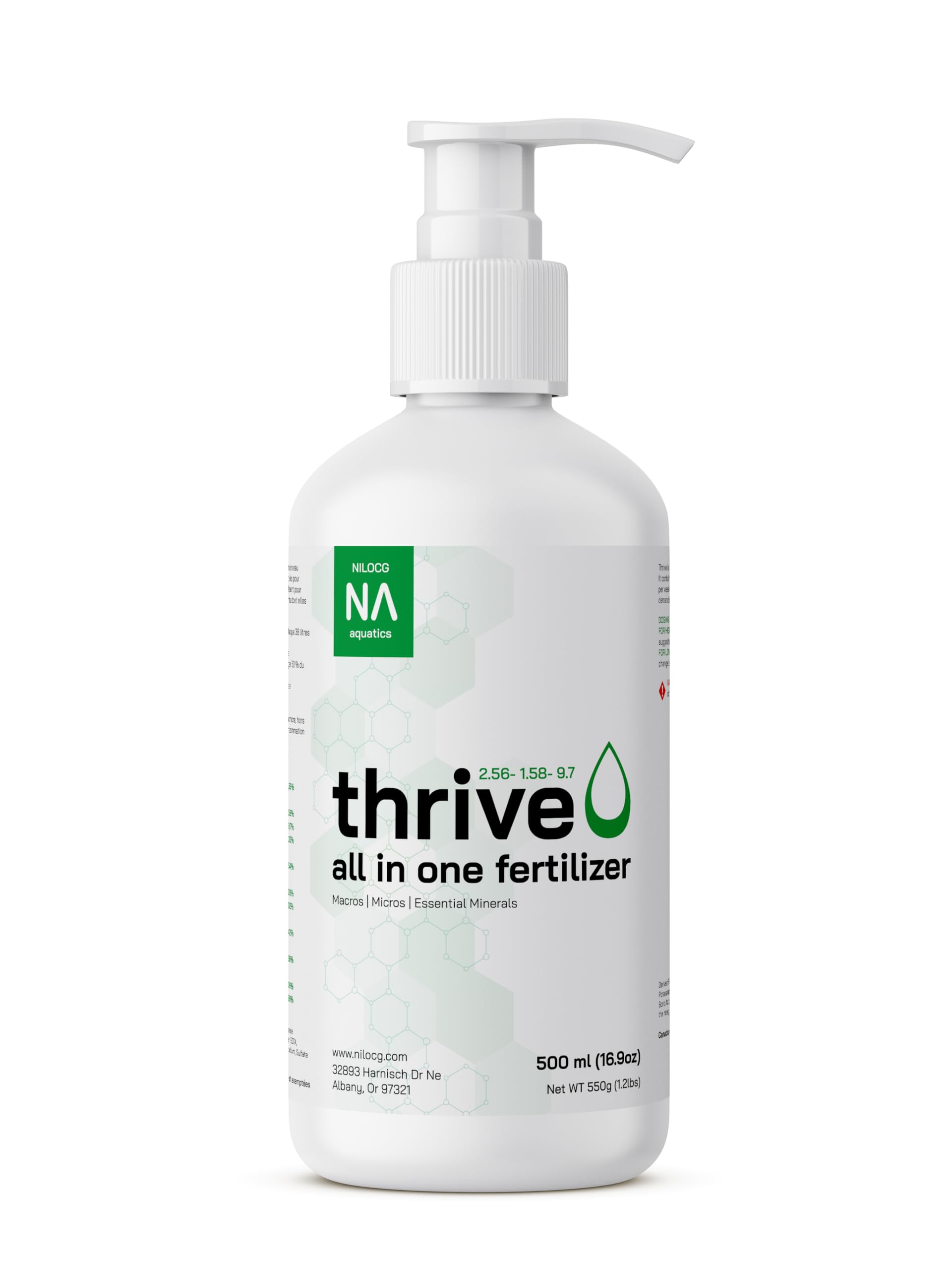
Rating: 4.6 ★ | Price: Premium | Completeness: Full macro+micro | Volume: 500 ml | Shrimp Safety: Contains copper | Setup Suitability: Low-tech & CO2 | Dosing Method: Pump bottle
NilocG Thrive delivers complete macro and micro nutrients in a single bottle, treating 2,500 gallons with a simple pump dose. The all-in-one formula eliminates the need to juggle separate nitrogen, phosphorus, and iron supplements, making fertilization practical for busy aquarists. Plants from slow-growing anubias to demanding stem plants show healthier leaves and reduced deficiency symptoms within weeks.
Dosing requires nothing more than one pump per 10 gallons, and the transparent bottle makes it easy to see when a refill is due. A subtle iron tint to the water fades quickly and does not cloud the tank. The balanced nutrient profile supports both low-tech setups where growth is modest and high-tech tanks with CO2 injection where rapid growth demands consistent feeding.
This bottle suits planted tank enthusiasts who want one product for all nutrient needs, whether running low-tech tanks or pressurized CO2. It is not intended for shrimp-only setups due to its copper content, and aquarists should be comfortable adjusting dosage based on plant load and water testing to avoid excess nutrients.
Pros
- Complete macro and micro nutrient blend in a single bottle – no need for separate supplements
- Rapid visible improvement in plant growth, color, and density
- Convenient pump dispenser – one pump per 10 gallons, no measuring needed
- Works equally well in low-tech tanks and high-tech CO2-injected setups
Cons
- The pump mechanism may crack or leak after several months of regular use
- Overdosing can lead to nitrate spikes and fish loss, particularly in tanks with fewer plants
For planted tanks without shrimp, this all-in-one eliminates the guesswork of mixing supplements while delivering visible plant growth. It remains the most practical choice for aquarists who prioritize convenience and results.
Best for Custom Dosers
Seachem Flourish

Rating: 4.7 ★ | Price: Mid-Range | Completeness: Trace only (no NPK) | Volume: 500 ml | Shrimp Safety: Safe for inverts | Setup Suitability: Low-tech, macros separate | Dosing Method: Standard cap
Seachem Flourish delivers a concentrated blend of trace elements that plant leaves respond to within days – richer greens and stronger growth in low-to-medium tech tanks. Unlike all-in-one fertilizers, this is a micro-only supplement: you control the macros (nitrogen, phosphorus, potassium) separately. That gives experienced hobbyists precise dosing flexibility but adds complexity.
This supplement suits aquarists who already dose macronutrients from other sources or run low-tech setups with modest plant demand. The formula has been a staple in planted tanks for years, offering predictable results for those willing to manage macros separately. If you want a complete single-bottle solution, the all-in-one alternative in this comparison is the better fit.
Pros
- Encourages lush green coloration and faster leaf growth.
- Maintains a strong reputation among planted tank enthusiasts for consistent results.
- Cost-effective for the concentration of trace minerals provided.
Cons
- Overdosing can trigger algae growth in some tanks, requiring careful measurement.
- Not a complete fertilizer; heavy plant growth requires separate nitrogen, phosphorus, and potassium supplements.
Best for hobbyists who want micro-nutrient control and already manage macros separately – less convenient than an all-in-one but more customizable.
Best for Budget Beginners
API Leaf Zone

Rating: 4.6 ★ | Price: Budget | Completeness: Iron+potassium only | Volume: 473 ml | Shrimp Safety: Mixed safety | Setup Suitability: Low-tech only | Dosing Method: Marked cap
Under $12 with a built-in measuring cap, API Leaf Zone provides simple and effective fertilization for anubias, java fern, and swords. Unlike complete all-in-one formulas, it focuses on iron and potassium, making it a good match for tanks where fish waste already supplies nitrogen and phosphorus.
Best for budget-conscious beginners with low-light tanks and easy plant species like Anubias and Java fern. However, it lacks nitrogen and phosphorus, so it won’t sustain heavy growth or stem plants – those setups require a complete fertilizer.
Pros
- Greens up plants and prevents yellow leaves
- Budget-friendly price for a large bottle
- Built-in measuring cap simplifies dosing
Cons
- Overdosing can trigger brown algae growth
- Does not provide nitrogen or phosphorus, so stem plants and heavy feeders may still yellow
For low-demand planted tanks on a budget, API Leaf Zone covers the essentials without the price tag – just keep expectations in check for more demanding flora.
Best for Shrimp Tanks
ThriveS Shrimp
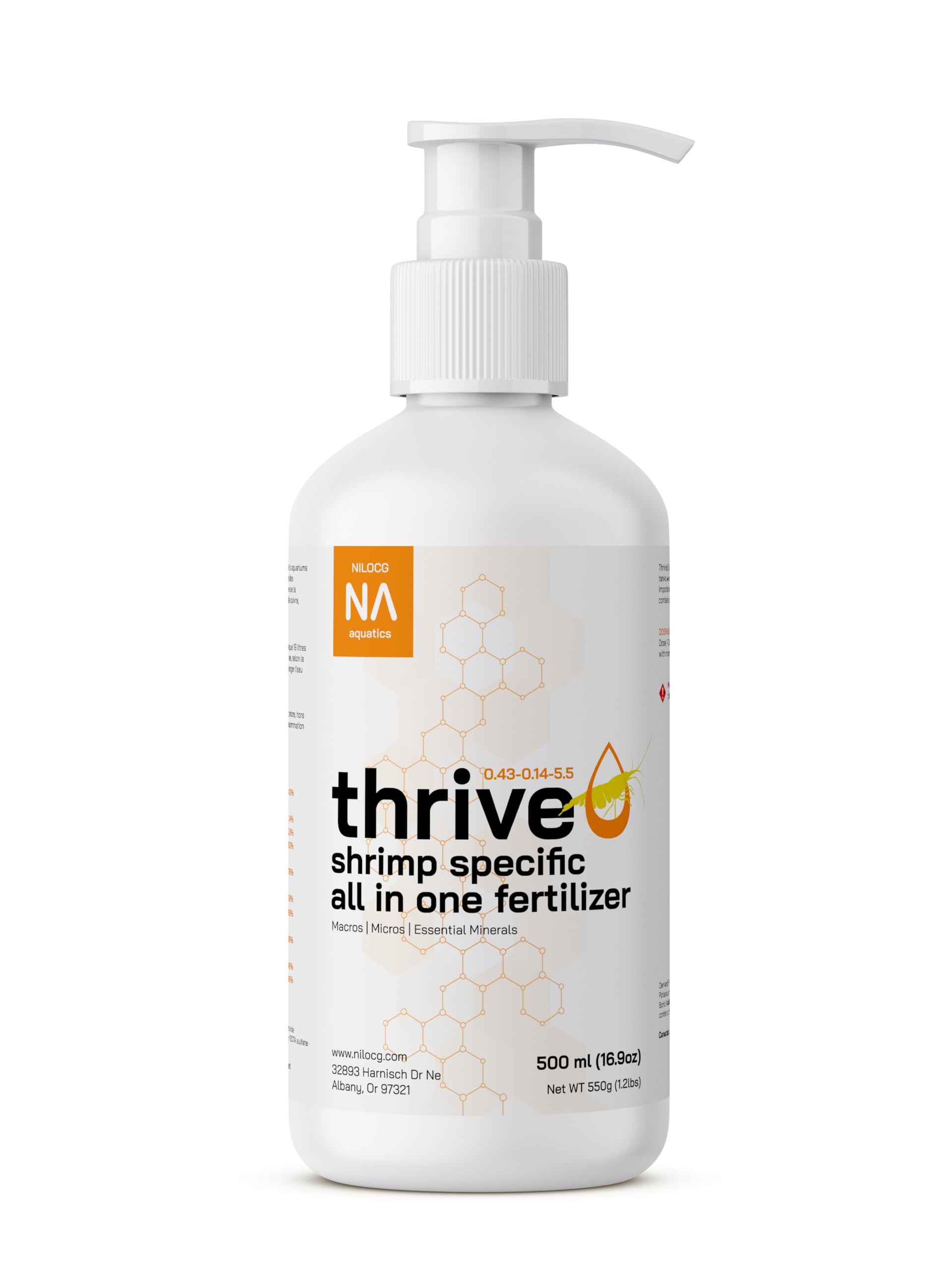
Rating: 4.7 ★ | Price: Premium | Completeness: Full macro+micro | Volume: 500 ml | Shrimp Safety: Copper-free | Setup Suitability: Low-tech shrimp | Dosing Method: Pump bottle
ThriveS uses the same macro and micro nutrient formula as the general Thrive, but replaces the copper with a shrimp-safe alternative. That means you get the same plant growth response—including visible leaf development and color improvement in low-tech tanks—without risking invertebrate health. The tradeoff is a higher price than standard all-in-ones, but for dedicated shrimp keepers, that’s the cost of peace of mind.
This is the clear choice for shrimp breeders, Caridina or Neocaridina tanks, and any aquascaper who wants a complete fertilizer without worrying about copper toxicity. If your tank is fish-only, the general Thrive at a lower cost will perform equally well. For those with inverts, this is the only all-in-one in the lineup that doesn’t require a second thought about dosing safety.
Pros
- Copper-safe formula keeps shrimp breeding without die-off
- Complete macro and micro nutrients drive strong plant growth even in low-tech setups
- Simple pump-dispensing system with clear dosing guidelines
Cons
- Premium pricing compared to standard all-in-one fertilizers – worth it for shrimp safety, but a higher upfront investment
- Pump mechanism may become stiff or leak after extended use, which can affect long-term convenience
For shrimp tanks, this is the worry-free all-in-one worth the premium – skip it if you don’t keep inverts.
Best for Low-Tech Tanks
Thrive C Low‑Tech
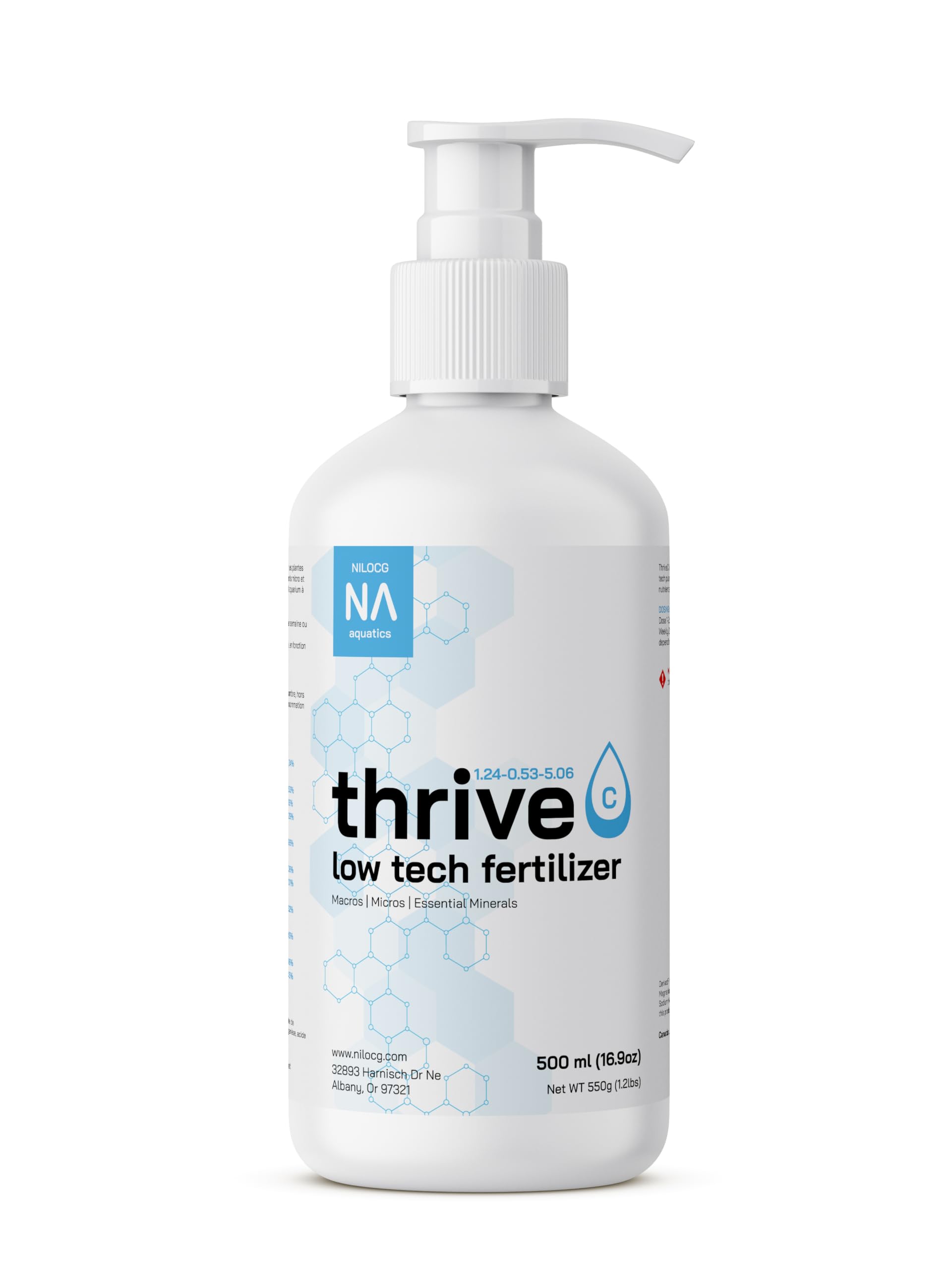
Rating: 4.6 ★ | Price: Premium | Completeness: Full (low NPK) | Volume: 500 ml | Shrimp Safety: Contains copper | Setup Suitability: Low-tech only | Dosing Method: Pump bottle
Thrive C’s lower NPK formula reduces the risk of green water and hair algae in tanks without CO2 injection – a deliberate design for low-tech setups. The formulation helps prevent the algae outbreaks that can plague low-light tanks. Plants respond with new leaf growth and faster development even under standard lighting, showing that this all-in-one provides the nutrients they need. This formula sacrifices higher growth potential for stability, so it is not intended for high-tech CO2 tanks where a stronger NPK like Thrive+ is a better fit.
The bottle serves hobbyists running standard lighting and easy plants such as anubias, java fern, and crypts. A single pump per 5 gallons delivers complete macro and micro nutrients, simplifying dosing. The pump includes a locking mechanism to prevent accidental spills during storage. Keep in mind that Thrive C contains copper, making it unsafe for shrimp tanks – choose the shrimp-specific variant if you have inverts.
Pros
- Lower NPK ratio reduces algae risk in low-tech tanks.
- Promotes healthy leaf growth without requiring CO2 injection.
- Convenient pump bottle with locking mechanism for mess-free dosing.
Cons
- Pump mechanism may leak or become unusable over time – worth monitoring.
- Overdosing can cause nitrate spikes that may harm fish; follow dosing guidelines carefully.
For low-tech tanks without CO2, Thrive C provides the nutrient balance that minimizes algae while supporting healthy plant growth – just keep dosing precise and watch the pump over time.
Best for Fish-Only Cheap
Crystalpro Flora
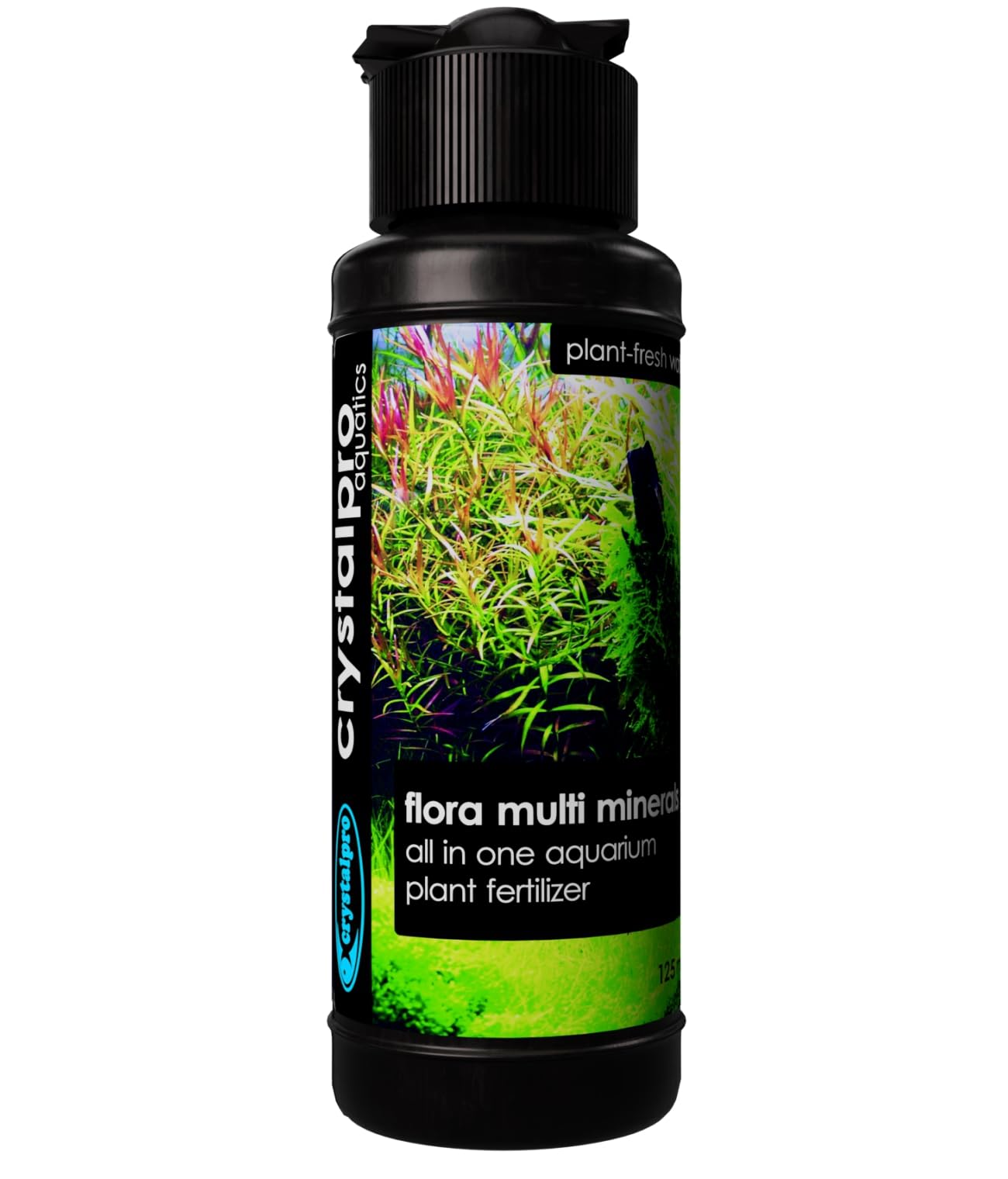
Rating: 4.5 ★ | Price: Budget | Completeness: No phosphate | Volume: 125 ml | Shrimp Safety: Contains copper | Setup Suitability: Low-tech fish only | Dosing Method: Standard cap
Crystalpro Flora packs a broader nutrient blend than basic trace supplements, delivering nitrogen, potassium, magnesium, and iron in a single budget-friendly bottle. Where the entry-level budget pick only provides micros, this all-in-one adds the macros that low‑tech plants need most — without the cost of premium all‑in‑ones. Dosing is simple: 5 mL per 30 gallons once or twice a week, and the 125 mL bottle lasts for months in small tanks.
This fertilizer suits budget‑minded fish keepers with low‑light tanks and undemanding species like anubias, java fern, and sword plants where shrimp are not part of the setup. The formula contains copper, so it is not safe for any shrimp or copper‑sensitive invertebrates. It also omits phosphate, meaning heavily planted tanks or those with bright lighting may need a separate phosphate supplement to sustain robust growth.
Pros
- Broad mineral coverage—nitrogen, potassium, magnesium, and iron—at a price typical of trace-only supplements.
- Noticeable new leaf growth on low-demand plants like anubias and java fern after routine dosing.
- Simple dosing schedule with a single bottle; no need to mix or measure multiple supplements.
Cons
- Contains copper, so it cannot be used in tanks with shrimp or other copper-sensitive invertebrates.
- Lacks phosphate; tanks with heavy plant loads or high light may require a separate phosphorus supplement.
The Crystalpro Flora is the most affordable way to add nitrogen, potassium, and iron to a fish-only planted tank, as long as you keep shrimp out of the picture and don’t demand explosive stem growth. Adding a small phosphate source turns it into a fuller solution for more demanding setups.
Best for High-Tech Co2
Thrive+ High‑Tech
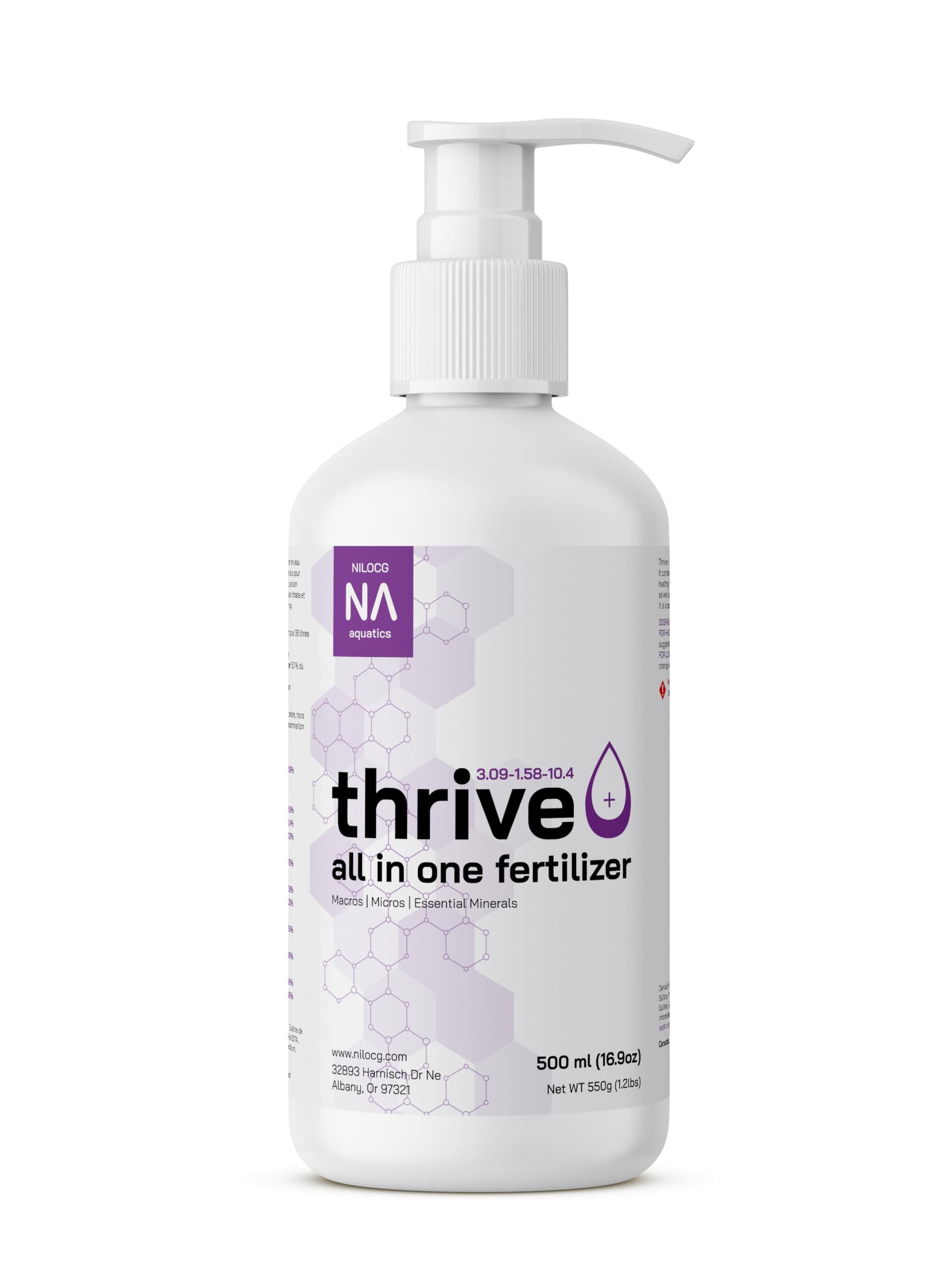
Rating: 4.5 ★ | Price: Premium | Completeness: Full strong NPK | Volume: 500 ml | Shrimp Safety: Contains copper | Setup Suitability: High-tech only | Dosing Method: Pump bottle
Thrive+ delivers fast, vibrant growth in high-tech planted tanks with CO2 injection. The concentrated NPK formula can cause fish and shrimp loss if dosing isn’t carefully adjusted against nitrate and phosphate readings. This is a powerful tool for experienced aquascapers who monitor water chemistry, not a set-and-forget option for low-tech or beginner setups. For a safer nutrient ratio suited to low-tech tanks, the ThriveC variant is a better match.
Pros
- Encourages rapid, lush growth and enhances red plant coloration in CO2-injected tanks.
- All-in-one formula saves time mixing separate macro and micro nutrients.
Cons
- In some cases, dosing as recommended has been linked to fish and shrimp loss — best for tanks where nitrate and phosphate are tested regularly.
- Pump cap can crack during shipping or after repeated use.
For experienced high-tech aquascapers who test water parameters and want rapid plant growth, Thrive+ is a powerful tool — but beginners and low-tech tank owners should look at ThriveC for a safer nutrient ratio.
Best for Experienced Trial
Microbe‑Lift

Rating: 4.4 ★ | Price: Mid-Range | Completeness: Unspecified | Volume: 236 ml | Shrimp Safety: Safe per reviews | Setup Suitability: Unclear | Dosing Method: Standard cap
Some aquarists see noticeable plant health improvement with this all-in-one formula, and it is reportedly safe for shrimp and frogs. However, results vary widely — in some cases it has been associated with plant die-off, and the lack of specific nutrient breakdown makes dosing a guessing game. Experienced hobbyists willing to test it on a spare tank may find it worth a try, especially those already familiar with MICROBE-LIFT products.
Pros
- Noticeable plant health improvement in responsive setups
- Safe for shrimp, frogs, and fish when dosed correctly
Cons
Best suited for experienced aquarists willing to experiment on a spare tank, but avoid it for valuable plant collections that can’t risk die-off.
Best for Budget Shrimp
Brightwell Shrimp

Rating: 4.5 ★ | Price: Budget | Completeness: Full copper-free | Volume: 125 ml | Shrimp Safety: Copper-free | Setup Suitability: Low-tech shrimp | Dosing Method: Pump bottle
Brightwell Aquatics Shrimp FlorinMulti offers a copper-free formula safe for shrimp at a budget price. Some bottles have been noted to contain what looks like clear water with no detectable iron, and the pump seal can leak. This makes it a gamble – the top pick ThriveS provides more consistent nutrient delivery for a slightly higher cost.
Pros
- Safe for shrimp – no copper means no impact on breeding
- Promotes greener leaves and stronger plant growth
Cons
- Some bottles contain what appears to be plain water with no detectable iron
- Pump seal may leak during use
Worth considering for shrimp keepers on a tight budget who are comfortable checking each bottle upon arrival.
Best for Water Gardens
TPS Water Plant
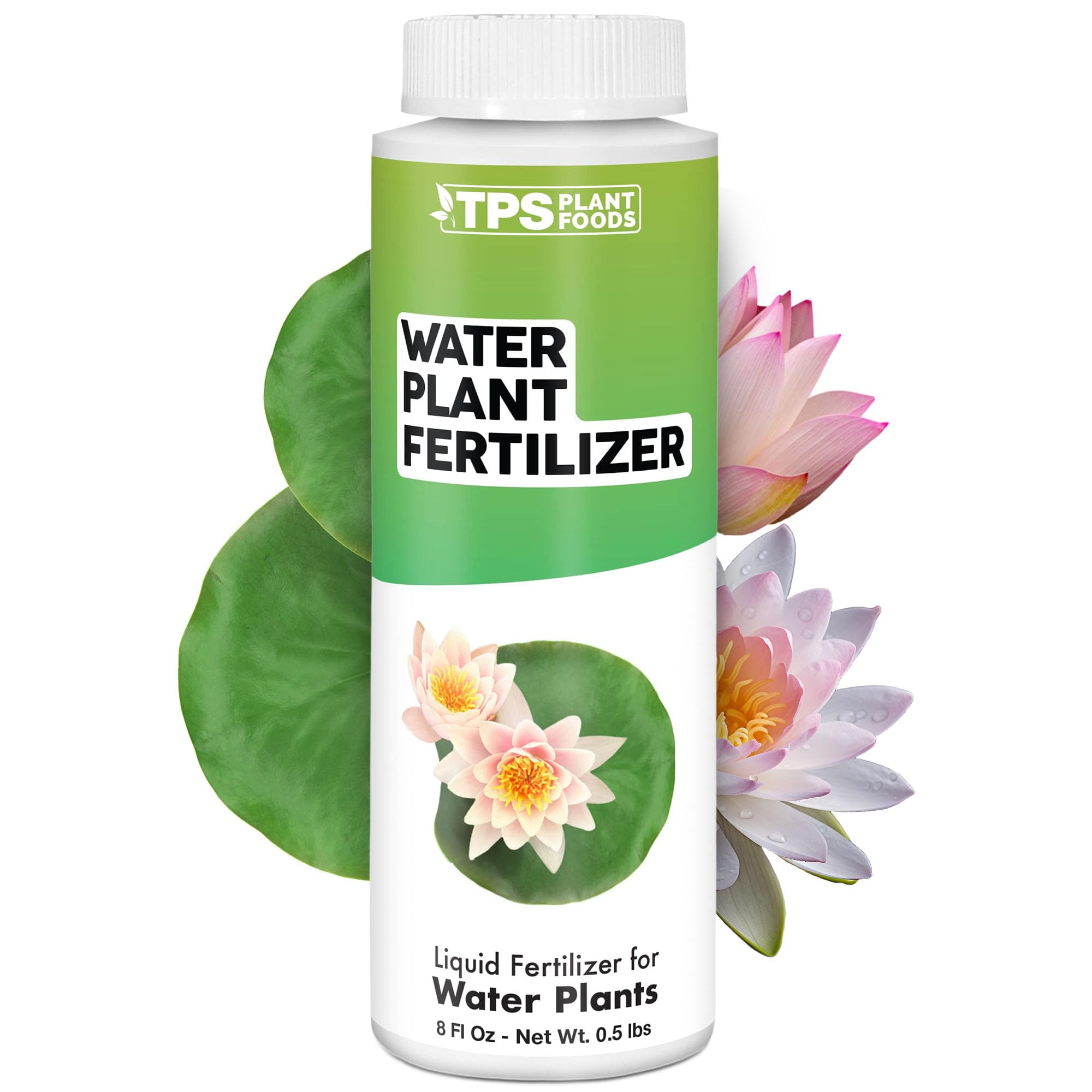
Rating: 4.4 ★ | Price: Budget | Completeness: Incomplete for tanks | Volume: 237 ml | Shrimp Safety: Unknown | Setup Suitability: Not for tanks | Dosing Method: Standard cap
This liquid fertilizer targets water gardens and propagation jars, providing nutrients tailored to water lilies and marginal pond plants. Its formula is not designed for submerged aquarium plants — it lacks the specific nutrient profile needed for underwater growth and should not be used in tanks with fish or shrimp.
Pros
- Provides targeted nutrition for water lily and marginal plants in ponds.
- Works well for rooting houseplant cuttings in water, extending use beyond ponds.
Cons
- Not suitable for submerged aquarium plants — may lack essential nutrients for underwater growth.
A budget-friendly choice for pond keepers and propagation enthusiasts, but skip this for standard freshwater aquariums.
How to Choose
Not all liquid fertilizers are complete – many only supply trace elements, and the right one depends on your tank’s plant load, lighting, and whether you keep shrimp.
Completeness: Macro vs. Micro Only
Liquid fertilizers divide into trace-only supplements and all-in-ones that also contain nitrogen, phosphorus, and potassium. Trace-only products like Seachem Flourish require you to add macros separately, which gives you precise control but adds cost and complexity.
All-in-ones simplify dosing but their NPK ratios are fixed. If your plant load is low, the extra nitrogen and phosphorus can feed algae instead. For a tank with fish that already produce waste, a trace-only might be enough.
Volume and Concentration
A 500 ml bottle of concentrated all-in-one can treat 2,500 gallons, while a budget 125 ml bottle treats far less. The upfront price is deceptive – a premium bottle often costs less per dose over time.
Consider your tank size and dosing frequency. A small bottle may need replacement every few weeks in a heavily planted 20-gallon tank, making the larger concentrated option more economical.
Shrimp and Invert Safety
Copper is toxic to shrimp and other invertebrates, but many fertilizers list it as a trace element. A ‘shrimp-safe’ label does not guarantee copper-free – always scan the ingredient list for copper sulfate or chelated copper.
The only way to be certain is to choose a product explicitly formulated without copper, like ThriveS or Brightwell Shrimp. Even then, check recent reviews because formulations can change.
Low-Tech vs. High-Tech Compatibility
High-tech tanks with CO2 injection have higher nutrient demand and can handle stronger NPK ratios without algae. Low-tech tanks need a softer formula, as excess nitrogen and phosphorus are the primary drivers of green water and hair algae.
Using a high-tech all-in-one in a low-tech tank often leads to algae outbreaks. Conversely, a low-tech formula in a high-tech tank may starve plants of nutrients, slowing growth.
Dosing Convenience
Pump bottles offer one-push dosing and less mess, but the pump mechanism is a common failure point – many report leaks or stiffness after a few months. Measuring caps are simpler and more durable, but require careful counting of capfuls.
If you dose daily, a pump’s convenience may outweigh the risk. For weekly dosing, a cap is just as easy and more reliable over the long term.
FAQ
Can I use Seachem Flourish alone or do I need other supplements?
Flourish is a trace-element supplement – it contains no nitrogen, phosphorus, or potassium. If your plants show signs of deficiency (yellowing leaves, stunted growth), you will need to add macronutrients separately. For low-tech tanks with fish waste, it may be enough. For heavily planted setups, combine it with Seachem Nitrogen, Phosphorus, and Potassium.
Why did my aquarium plants turn yellow after using fertilizer?
Yellowing usually means a lack of nitrogen or iron. Many incomplete fertilizers (like API Leaf Zone) supply iron and potassium but no nitrogen. If your tank has few fish, there may be insufficient nitrogen from waste. Switch to a complete all-in-one or add a nitrogen supplement.
How do I know if a liquid fertilizer is safe for my shrimp?
Check the ingredient list for copper – even trace amounts can be lethal to shrimp. Look for a ‘copper-free’ statement on the label. Products like ThriveS and Brightwell Shrimp are specifically formulated without copper. Avoid any fertilizer that lists copper sulfate or chelated copper.
Is it normal for liquid fertilizer to look like water?
Some clear liquids contain dissolved nutrients that are invisible, but others may be diluted or mislabeled. If the product is also odorless and has no staining effect when tested on a paper towel, it likely lacks meaningful nutrients. Stick to brands with high review counts and visible coloration from ingredients like iron.